Kyoto Food Guide: Traditional Dishes, Dining Styles, and Tips
Key takeaways
- Kyoto cuisine emphasizes seasonal ingredients, delicate dashi broths, and preserved foods shaped by centuries of history.
- Iconic specialties include multi-course kaiseki, home-style obanzai, tofu creations, and matcha-infused confectionery.
- Many traditional restaurants require advance reservations and have strict dining etiquette regarding footwear and timing.
Kyoto food represents the culinary heart of traditional Japan, characterized by subtle dashi stocks, local heirloom vegetables, and centuries-old preservation techniques. Because the historic imperial capital sits inland surrounded by mountains, its cuisine evolved around seasonal mountain herbs, soy-derived proteins, preserved seafood, and deeply refined presentation styles.
Whether dining on elaborate multi-course meals or casual seasonal side dishes, visitors will find that Kyoto cooking prioritizes the natural flavor of ingredients over heavy sauces or pungent spices.
The Pillars of Kyoto Cuisine
To understand food in Kyoto, it helps to understand the city's historical environment. As the imperial seat for over a millennium, Kyoto attracted master artisans, Buddhist monks, and tea masters. Each group created distinct dining traditions that remain vibrant today.
Kaiseki Ryori (懐石料理 / 会席料理)
Kaiseki is Japan's premier multi-course dining tradition. It originated partly from the simple, seasonal dishes served alongside the traditional tea ceremony (茶道, chado) and partly from the lavish banquets of the imperial court.
A full kaiseki meal unfolds over several carefully orchestrated courses:
- Sakizuke (先付): An appetizer paired with sake to stimulate the palate.
- Hassun (八寸): A seasonal platter representing the culinary theme of the month, often highlighting both mountain and water ingredients.
- Mukozuke (向付): Sliced raw fish (sashimi), chosen for maximum freshness and cut to precise thickness.
- Takiawase (煮合): Vegetables simmered individually in delicate broth, often paired with tofu, meat, or fish.
- Yakimono (焼き物): A flame-grilled seasonal dish, frequently local sweetfish (ayu) or miso-marinated fish.
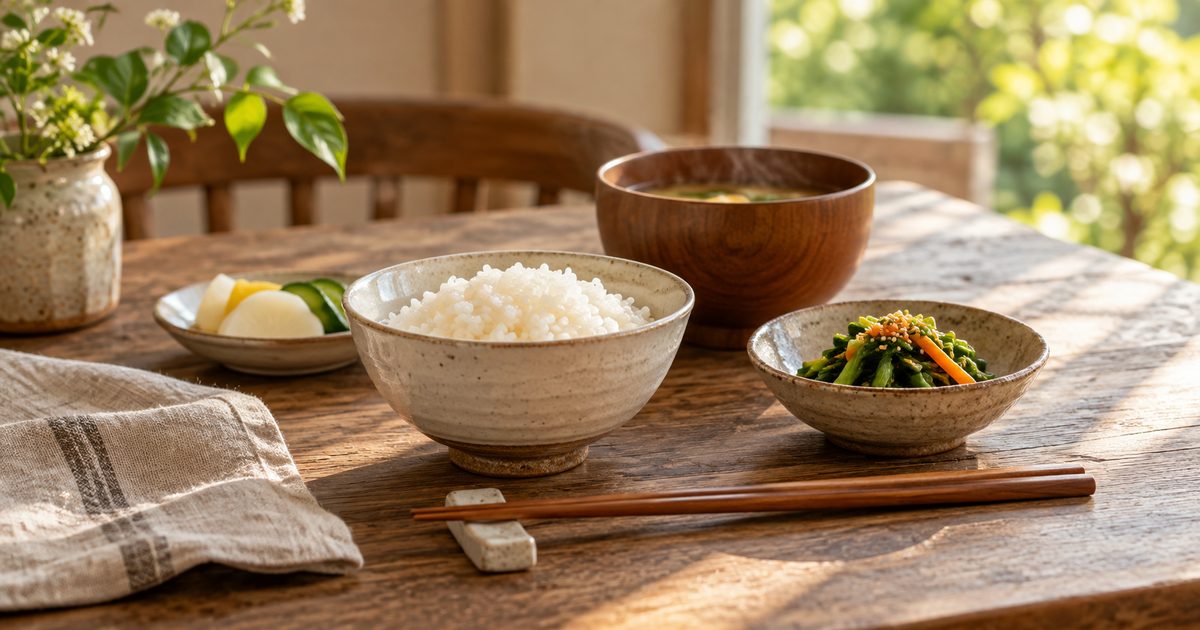
- Gohan, Tome-wan, and Tsukemono (ご飯・止め椀・香の物): Rice, a savory miso soup, and house-cured seasonal pickles served near the end.
- Mizumono (水物): A light seasonal dessert, such as melon or traditional wagashi with green tea.
A formal kaiseki dinner often lasts between two and three hours. Prices vary significantly depending on the caliber of ingredients and venue, with lunches roughly between 5,000 and 12,000 JPY, and dinner services often exceeding 20,000 to 40,000 JPY per person. Always check the official website of your intended venue, as menus and operational calendars change seasonally.
Obanzai (おばんざい)
In contrast to imperial banquet food, obanzai refers to everyday Kyoto home-style cooking. Traditional households follow strict guidelines regarding seasonal freshness, zero-waste cooking, and simple preparation methods.
Typical obanzai dishes feature:
- Simmered pumpkin or eggplant in light dashi broth
- Dried daikon radish strips (kiriboshi daikon) cooked with fried tofu
- Seasoned leafy greens like spinach or mustard greens tossed with ground sesame seeds (goma-ae)
Obanzai is commonly served at casual izakaya and specialty counters across central Kyoto. Guests can often point directly to large ceramic bowls displayed on the counter to choose their selection of small side dishes.
Shojin Ryori (精進料理)
Shojin ryori is the traditional plant-based cuisine developed in Zen Buddhist temples. It strictly avoids meat, fish, and pungent aromatics such as garlic, onions, scallions, and chives.
Monks rely on soybeans, seasonal vegetables, seaweeds, and wild mountain plants to create nutrient-dense, balanced meals. Visitors can sample authentic temple meals at sub-temples in historic temple districts, particularly around Tenryu-ji in Arashiyama or Daitoku-ji in northern Kyoto.
Essential Kyoto Specialties to Try
Beyond overarching dining styles, several individual dishes and food categories define Kyoto's culinary identity.
Kyoto Tofu and Yuba (豆腐・湯葉)
Thanks to Kyoto's soft, mineral-pure groundwater, the city is renowned for producing exceptionally smooth tofu.
- Yudofu (湯豆腐): Fresh cubes of silken or firm tofu gently heated in an earthenware pot of hot water flavored with a single piece of dried kelp (kombu). Diners lift the hot tofu with a slotted spoon and dip it into seasoned soy sauce with fresh scallions, grated ginger, and citrusy yuzu.
- Yuba (湯葉): Dried or fresh tofu skin formed on the surface of gently heated soy milk. Fresh yuba has a delicate, creamy texture and is eaten raw like sashimi with a drop of soy sauce and wasabi, or layered into savory broth.
Kyo-yasai (京野菜)
Kyoto's heirloom vegetables have been cultivated in the surrounding river basins for centuries. The Ministry of Agriculture, Forestry and Fisheries documents many of Japan's geographic agricultural varieties, and Kyoto's regional vegetables are among the most famous nationwide.
Common varieties to look for include:
- Kamo-nasu (賀茂茄子): A large, round, dense eggplant typically baked with sweet red and white miso paste (nasu dengaku).
- Manganji-togarashi (万願寺とうがらし): Mild, sweet, thick-walled green peppers that are blistered on a grill and seasoned with bonito flakes.
- Kujo-negi (九条ネギ): Sweet, slender green onions heavily used to garnish noodles, soups, and hot pots.
- Shogoin-daikon (聖護院大根): A large, spherical radish prized for its tender texture when simmered into winter stews.
Kyoto-Style Sushi (Kyosushi)
Because historical Kyoto was situated away from immediate ocean ports, local sushi makers historically avoided raw ocean fish. Instead, they perfected salt-curing, vinegar-pickling, and steaming techniques.
- Sabazushi (鯖寿司): Fatty mackerel salted and pickled in vinegar, pressed onto seasoned sushi rice, and wrapped in kombu kelp.
- Chirashizushi (散らし寿司): A decorative bowl of seasoned rice topped with simmered shiitake mushrooms, shredded egg omelet (kinshi tamago), and sweet-cured eel or shrimp.
Matcha and Traditional Wagashi (抹茶・和菓子)
Kyoto's southern neighbor, Uji (宇治), produces some of the most celebrated green tea in the world. As a result, matcha culture is woven through Kyoto's dessert scene.
Visitors can enjoy bitter, freshly whisked bowl matcha alongside delicate sugar candies, or explore modern treats such as matcha-infused soft-serve ice cream, parfaits, and shaved ice (kakigori). Another beloved local sweet is Yatsuhashi (八ツ橋), a cinnamon-flavored treat made from rice flour and sugar, sold either as crisp baked wafers or soft, triangular dough pockets filled with sweet red bean paste (anko).
We are working to carry Japanese craft and everyday culture beyond Japan, by building Japan Towns with local partners. R
Read the Japan Town plan →Practical Ordering and Dining Tips
Handling Allergies and Dietary Preferences
Because Japanese culinary terminology is specialized, communicating dietary needs directly is essential.
- Fish and Seafood Allergens: The vast majority of Kyoto broths, simmers, and dipping sauces contain dashi derived from dried bonito flakes (katsuobushi). Travelers with fish allergies or those following strict vegan diets should verify that broths are made exclusively with kelp (kombu-dashi) or shiitake mushrooms.
- Soy and Gluten: Soy sauce (shoyu), miso, and tofu form the base of regional seasonings. Gluten is present in standard soy sauce as well as wheat gluten cakes (fu), which are frequently included in kaiseki courses.
- Helpful Phrases:
- "Watashi wa niku to sakana ga taberaremasen" (I cannot eat meat or fish).
- "Dashi ni sakana wa haitte imasu ka?" (Does the broth contain fish?).
Dining Etiquette and Footwear
Many traditional restaurants in Kyoto, particularly around the Gion (祇園) and Pontocho (先斗町) districts, feature tatami-mat dining rooms (washitsu).
- Footwear: Always remove your shoes at the entrance (genkan). Wear clean, neat socks without holes, as walking barefoot on tatami is considered impolite.
- Punctuality: Kaiseki kitchens prepare ingredients hours in advance based on your reserved time. Arriving even 15 minutes late can disrupt the service rhythm of the kitchen.
- Cancellations: Same-day cancellations frequently incur 100% cancellation fees due to the perishable nature of high-grade seasonal produce.
Navigating Kyoto Dining Logistics
When planning meals around Kyoto, account for local transit patterns. City buses connecting major areas like Kyoto Station (京都駅), Kawaramachi (河原町), and Higashiyama (東山) can become crowded during peak tourist seasons. Travel times between districts often take 30 to 50 minutes during heavy traffic, so allow ample transit buffers before your meal reservations.
For general tourist transit guidelines and regional maps, consult the Japan National Tourism Organization before your departure.
By seeking out seasonal ingredients and taking time to appreciate the subtle flavors of dashi, vegetables, and artisan soy products, you will experience the enduring culinary craftsmanship that sets Kyoto food apart.
FAQ
- Q. Is Kyoto food vegetarian or vegan friendly?
- A. While Buddhist temple cuisine (shojin ryori) is purely plant-based, most Kyoto broths use dried bonito flakes (katsuobushi), so strictly vegan meals require advance requests.
- Q. How much does a traditional kaiseki meal in Kyoto cost?
- A. Lunch courses generally range around 4,000 to 10,000 JPY, while full evening kaiseki banquets often range from 15,000 to over 35,000 JPY per person.
- Q. Do you need reservations to eat out in Kyoto?
- A. Casual noodle and rice bowl shops welcome walk-ins, but traditional multi-course dining, tofu ryori, and formal establishments usually require booking days or weeks ahead.