Hiroshima Food Specialty Guide: What to Eat and How
Key takeaways
- Hiroshima-style okonomiyaki layers noodles and cabbage instead of mixing them, unlike the Osaka version.
- Oysters (kaki) are a winter specialty, widely served grilled, fried, or raw depending on the season and spot.
- Momiji manju, a maple-leaf-shaped cake, is the region's best-known souvenir sweet, often filled with sweet bean paste.
What Is Hiroshima's Food Specialty?
Hiroshima's signature food specialty is okonomiyaki (お好み焼き), a layered savory pancake built with cabbage, pork, and a generous portion of fried noodles, all held together with a thin batter and topped with a sweet-savory sauce. Beyond okonomiyaki, the region is equally known for oysters (kaki), conger eel (anago), and the maple-leaf-shaped sweet called momiji manju. Together these dishes define what most first-time visitors come to Hiroshima to eat.
This guide walks through each specialty, how it's typically served, and what to expect if you're trying it for the first time without reading Japanese menus.
Hiroshima-Style Okonomiyaki: Layers, Not a Mix
The defining feature of Hiroshima okonomiyaki is the layering technique. A thin crepe-like batter is poured onto a hot iron griddle (teppan), then topped with a generous mound of shredded cabbage, bean sprouts, pork belly slices, and a separately cooked portion of yakisoba or udon noodles. An egg is often fried and the whole stack is flipped and pressed together before serving, finished with a thick, slightly sweet okonomiyaki sauce.
This is different from the more commonly known Osaka-style (Kansai-style) okonomiyaki, where cabbage and other ingredients are mixed directly into the batter before cooking. If you've had okonomiyaki elsewhere in Japan, expect the Hiroshima version to feel heartier and more structured, with distinct layers you can see when it's cut.
How it's eaten:
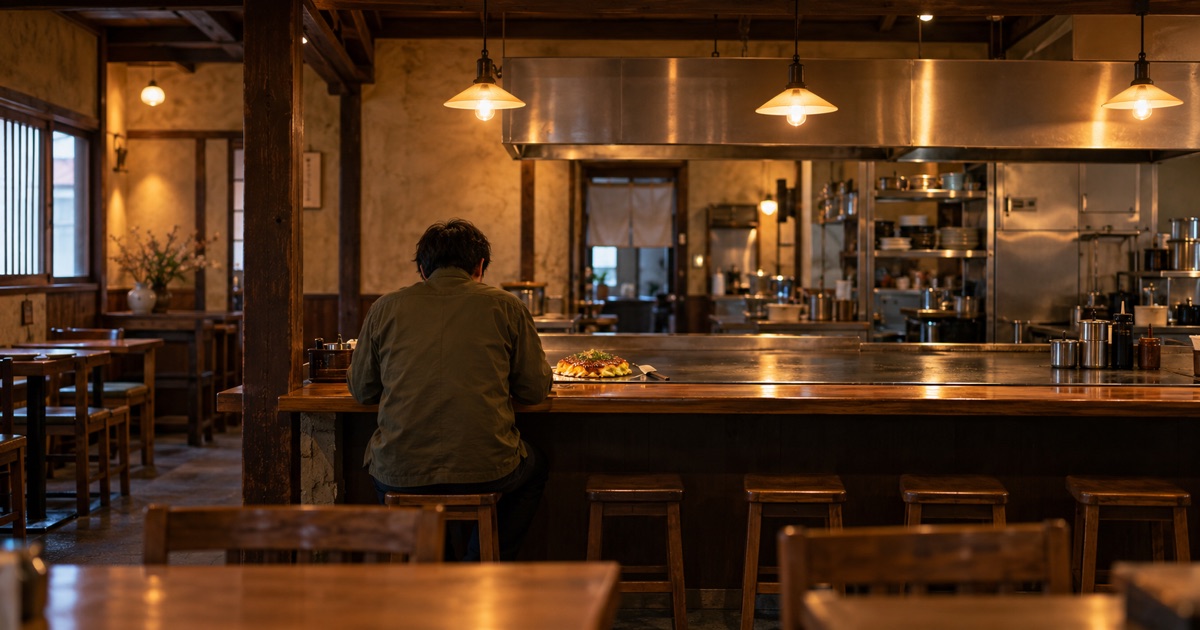
- Many shops cook the dish directly in front of you on a built-in griddle, and it's often eaten straight off that hot plate with a small metal spatula (kote) rather than being transferred to a regular plate.
- It's common to add extra sauce, mayonnaise, or a shake of chili pepper (ichimi or shichimi) depending on personal preference.
- Portions are generous enough that one okonomiyaki typically makes a full meal rather than a side dish.
Common mistake: Expecting it to taste like Osaka-style okonomiyaki. The texture is noticeably different because of the noodle layer and the way ingredients stay separated rather than blended.
Allergens to note: Okonomiyaki typically contains wheat (batter and noodles), egg, pork, and often shellfish-based or Worcestershire-style sauces. If you have food allergies, it's worth confirming ingredients before ordering, as recipes vary by shop.
Oysters (Kaki): A Winter Highlight
Hiroshima Prefecture is one of Japan's largest oyster-producing regions, and the Seto Inland Sea's calm, nutrient-rich waters are well suited to oyster farming. Oysters here are generally larger and milder than those found in some other regions, and they appear on menus in several forms:
- Grilled (yaki-gaki): Cooked in the shell, often with just a squeeze of citrus or a dab of ponzu sauce.
- Fried (kaki-fry): Breaded and deep-fried, served with tartar sauce or a wedge of lemon.
- Raw (nama-gaki): Served chilled, typically with ponzu or a bit of grated daikon.
- Simmered or in hot pot (kaki nabe): Especially popular in colder months.
Oyster season generally runs from around autumn through winter, when the flavor and texture are considered at their best, though exact timing can vary by year and by farming method. Some preparations are available outside this window too, so availability isn't strictly limited to winter everywhere.
Allergen note: Oysters are shellfish, a common allergen. Those with shellfish allergies should avoid these dishes entirely, and double-check any sauces or broths that might use oyster extract as a base ingredient.
Anago: Hiroshima's Answer to Eel
While unagi (freshwater eel) is famous nationwide, Hiroshima is particularly known for anago, a saltwater conger eel. It's commonly served as anago-meshi, where simmered or grilled anago fillets are laid over a bowl of rice, sometimes with the cooking broth drizzled on top. Compared to unagi, anago tends to have a lighter, more delicate flavor and a softer texture.
How it's eaten: Anago-meshi is typically eaten with chopsticks straight from the bowl, no special technique required. Some versions come as a boxed bento, which is a practical option for travelers eating on the move, including on trains.
Momiji Manju: The Souvenir Sweet
Momiji manju is a small, maple-leaf-shaped cake, usually filled with sweet red bean paste (anko), though modern variations include custard, chocolate, cheese, and matcha fillings. The shape is a nod to the maple leaves associated with Miyajima (宮島), the island near Hiroshima famous for its autumn foliage and the floating torii gate.
These cakes are widely sold as souvenirs (omiyage) in boxes, making them an easy, non-perishable option to bring home. They're typically sold individually wrapped, so they travel well.
Allergen note: Standard red bean versions usually contain wheat, and other flavors may contain dairy or egg, so check packaging if you have dietary restrictions.
Other Local Items Worth Knowing
- Hiroshima-na: A local variety of leafy green vegetable, sometimes pickled and served as a side dish.
- Tsukemen (Hiroshima-style): Distinct from Tokyo's dipping ramen, this version is often served with a spicy, vinegary chilled broth for dipping noodles.
- Local sake: The Saijo (西条) area, accessible from Hiroshima by train, is known for sake brewing, and some travelers combine a sake-focused side trip with their food itinerary.
Practical Tips for First-Time Visitors
- No Japanese needed for ordering basics: Many okonomiyaki spots have picture menus or plastic food displays, and pointing works fine.
- Eating at the counter: At okonomiyaki restaurants with griddle seating, it's normal to sit at a counter facing the hot plate; this isn't a special or upgraded seating style, just how the dish is traditionally served.
- Cash and cards: Smaller eateries may be cash-only or have limits on card payment, so carrying some cash is a practical safeguard.
- Seasonal availability: Oyster dishes and some seasonal menu items may be limited or unavailable outside their typical season, so it helps to have a backup dish in mind, like okonomiyaki or anago-meshi, which are generally available year-round.
For general travel planning around the Hiroshima area, including transport options and seasonal event timing, the Japan National Tourism Organization is a reliable official resource to check current conditions before your trip.
A Quick Note on Nutrition
Okonomiyaki, oysters, and anago each have different nutritional profiles, from the carbohydrate-heavy noodle layers in okonomiyaki to the protein and mineral content associated with oysters. This article does not make specific nutrition or health claims; readers interested in detailed nutritional breakdowns can refer to Japan's official food composition data through the MEXT Food Composition Database or check our site's dedicated nutrition pages for more detail on individual ingredients.
Prices, seasonal availability, and specific shop hours for any of these dishes can change, so it's worth checking current information locally or through official tourism sources before planning a food-focused itinerary around Hiroshima.
FAQ
- Q. What is Hiroshima's most famous food?
- A. Hiroshima-style okonomiyaki is the dish most associated with the city, known for its layers of batter, cabbage, pork, and noodles.
- Q. Is Hiroshima okonomiyaki different from Osaka okonomiyaki?
- A. Yes. Hiroshima's version stacks ingredients in layers with noodles included, while Osaka's version mixes everything into the batter before cooking.
- Q. When is the best season to eat Hiroshima oysters?
- A. Oysters are typically at their peak from around autumn through winter, though preparations vary and seasonality can shift slightly year to year.
Cite or share this article
Copy the link below. If you quote this article, please link to this page as the source.