Kyoto Food Market Guide: What to Eat at Nishiki Market
Key takeaways
- Nishiki Market (錦市場) is Kyoto's main food market, a covered arcade about 400 meters long near downtown Kyoto.
- Most stalls sell small walk-away snacks, so bring cash, arrive with light hunger, and avoid eating while walking past other shops.
- Morning to early afternoon is calmer than late afternoon, when tour groups and local shoppers both crowd the narrow aisles.
What Is the Kyoto Food Market Called?
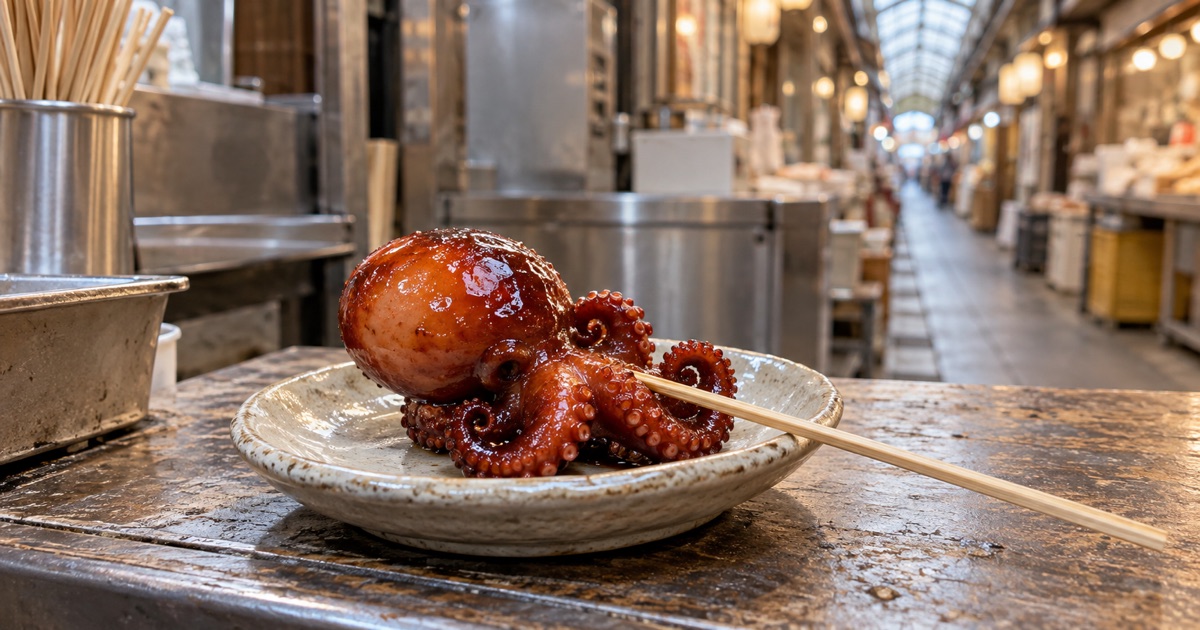
Kyoto's best-known food market is Nishiki Market (錦市場), a roughly 400-meter covered shopping arcade in the center of the city lined with more than a hundred small food stalls and shops. It has operated as a food market for centuries and is often nicknamed "Kyoto's Kitchen," making it the natural first stop for visitors who want to sample local specialties without booking a restaurant.
Unlike a single building, Nishiki Market is an open-air (but roofed) street, so there is no entry fee and no fixed opening time for the market as a whole — individual stalls set their own hours, and many close earlier than typical restaurants. Because of this, it rewards a mid-morning to early-afternoon visit rather than an evening one.
Where It Is and How to Get There
Nishiki Market sits a short walk from several central Kyoto landmarks and is easily reached on foot from the Kawaramachi and Shijo areas. If arriving by train, Kawaramachi Station or Shijo Station (on separate subway/rail lines) are both within about a 5-10 minute walk. From Kyoto Station, a taxi, bus, or subway connection typically takes around 15-20 minutes depending on the route and time of day; traffic and train transfers can add time, so build in some buffer. Always check current routes before you go, since station exits and walking times can be confusing for first-time visitors.
What You Can Eat at Nishiki Market
The market's main appeal is variety: you can walk its length and sample many small items rather than committing to one full meal. Common categories include:
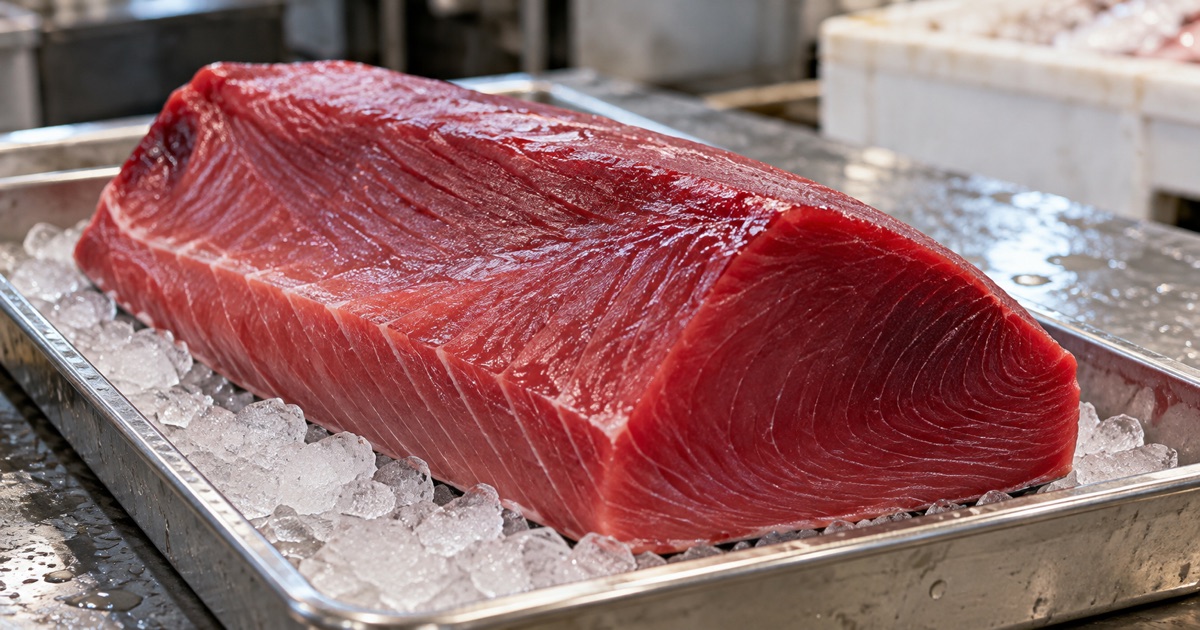
- Fresh seafood skewers — small grilled or raw items such as scallop, octopus, or fish, often sold as single skewers meant to be eaten on the spot.
- Kyoto-style pickles (Kyo-tsukemono, 京漬物) — a regional specialty, with varieties using vegetables like daikon, eggplant, and the famous Shiba-zuke (紫蘇漬け) made with perilla leaves.
- Yuba (湯葉) — fresh tofu skin, a Kyoto specialty often sold as a simple snack or small dish, prized for its delicate texture.
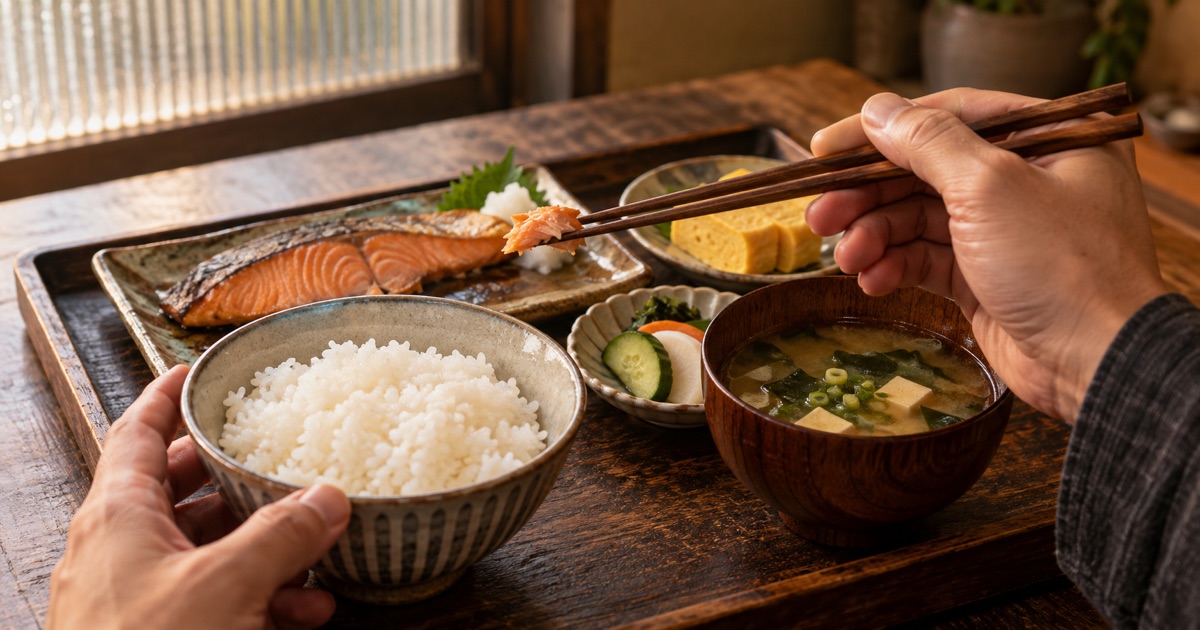
- Tamagoyaki (だし巻き卵) on a stick — Kyoto-style rolled omelette, usually richer in dashi stock than the Tokyo version, sold warm in bite-sized portions.
- Roasted chestnuts, mochi sweets, and seasonal fruit — especially visible in autumn and winter.
- Matcha and hojicha sweets — soft serve, mochi, and baked goods flavored with Kyoto-area green tea.
Because stalls specialize narrowly, it's common to buy one or two items from several different shops rather than a full meal from one place. This is the intended way to experience the market.
A Few Items to Watch For if You Have Allergies
Many market snacks contain common allergens worth noting before you order: seafood and shellfish (skewers, dried fish), eggs (tamagoyaki), soy (yuba, pickles, miso-based items), and wheat (some fried or battered snacks). Stall staff may have limited English, so pointing at the item and asking simply "allergy?" alongside the relevant word can help, though you should not assume every stall can accommodate requests. If you have a serious allergy, it is safer to research specific ingredients in advance using a resource like the MEXT Food Composition Database rather than relying on in-market communication alone.

We are working to carry Japanese craft and everyday culture beyond Japan, by building Japan Towns with local partners.
Read the Japan Town plan →How to Eat at the Market: Etiquette and Common Mistakes
Eat Near the Stall, Not While Walking
The single most common mistake first-time visitors make is buying food and walking away while eating. Nishiki Market is narrow, and most stalls expect customers to eat their purchase standing near the stall itself, not while strolling past other shops. Look for small standing areas or simply step slightly to the side out of the main foot traffic.
Bring Cash
While larger shops increasingly accept cards or IC transit cards, many small family-run stalls are cash-only, especially for items under a few hundred yen. Carrying some Japanese yen in small denominations avoids awkward moments at the register.
Don't Expect a Full Sit-Down Meal
Nishiki Market is built around small bites, not multi-course dining. If you want a proper sit-down lunch, treat the market as a pre-meal snack stop rather than the meal itself, and plan to eat more substantially elsewhere afterward.
Photography of Stalls and Staff
Many stall owners are fine with photos of the food itself but may prefer you ask before photographing them directly or their storefront up close. A quick gesture or "photo OK?" goes a long way.
Expect Crowds, Especially Midday and Weekends
The arcade is narrow, and foot traffic can be heavy, particularly in the early-to-mid afternoon and on weekends. Visiting earlier in the day tends to be calmer, and some stalls sell out of popular items by mid-afternoon.
Regional Context: Why Kyoto's Market Food Differs from Tokyo's
Kyoto's food culture has historically emphasized delicate, dashi-forward flavors and seasonal ingredients, partly a legacy of its role as the former imperial capital and a center of refined cuisine (kaiseki) and Buddhist vegetarian cooking (shojin ryori). This shows up even in casual market snacks: Kyoto-style tamagoyaki tends to be softer and more dashi-forward than Tokyo's sweeter version, and pickles and tofu-based items appear more prominently than in markets elsewhere in Japan. Trying a few of these items side by side is a practical way to taste the regional differences without a formal restaurant visit.
Practical Tips Before You Go
- Timing: Mid-morning (after stalls open) through early afternoon is generally the most comfortable window; many stalls begin closing in the late afternoon.
- Duration: Budget 45 minutes for a quick walk-through, or 1.5 hours if you plan to sample multiple items and browse slowly.
- Closures: Individual stalls may close on different days or for holidays; the market overall has no single fixed closure schedule, so do not assume everything will be open.
- Combine with nearby sights: The market's central location makes it easy to pair with a visit to nearby shopping streets or temples in the same half-day.
For general travel planning, opening-hour verification, and seasonal event information, the Japan National Tourism Organization website is a reliable starting point before your trip. Since stall hours, prices, and even specific vendors can change over time, it's worth checking current conditions close to your travel dates rather than relying solely on older guides.
FAQ
- Q. Is Nishiki Market free to walk through?
- A. Yes, it is a public covered shopping street with no entrance fee; you only pay for what you buy from individual stalls.
- Q. How much time should I budget for the market?
- A. Roughly 45 minutes to 1.5 hours is typical for browsing and sampling a few items, longer if you plan to sit down and eat.
- Q. Can I eat while walking through the market?
- A. Most stalls ask customers to finish food near the stall itself rather than walk and eat, since the arcade is narrow and shared with shoppers.
Cite or share this article
Copy the link below. If you quote this article, please link to this page as the source.