Sapporo Food Festival Guide: Autumn Harvest Flavors
Key takeaways
- The festival runs annually in September at Odori Park, showcasing regional Hokkaido dishes and ingredients across multiple city blocks.
- Signature foods include miso ramen, grilled scallops, jingisukan mutton, local dairy desserts, and seasonal autumn vegetables.
- English signage varies by booth, so carry cash, an IC transport card, and wet wipes for standing outdoor dining areas.
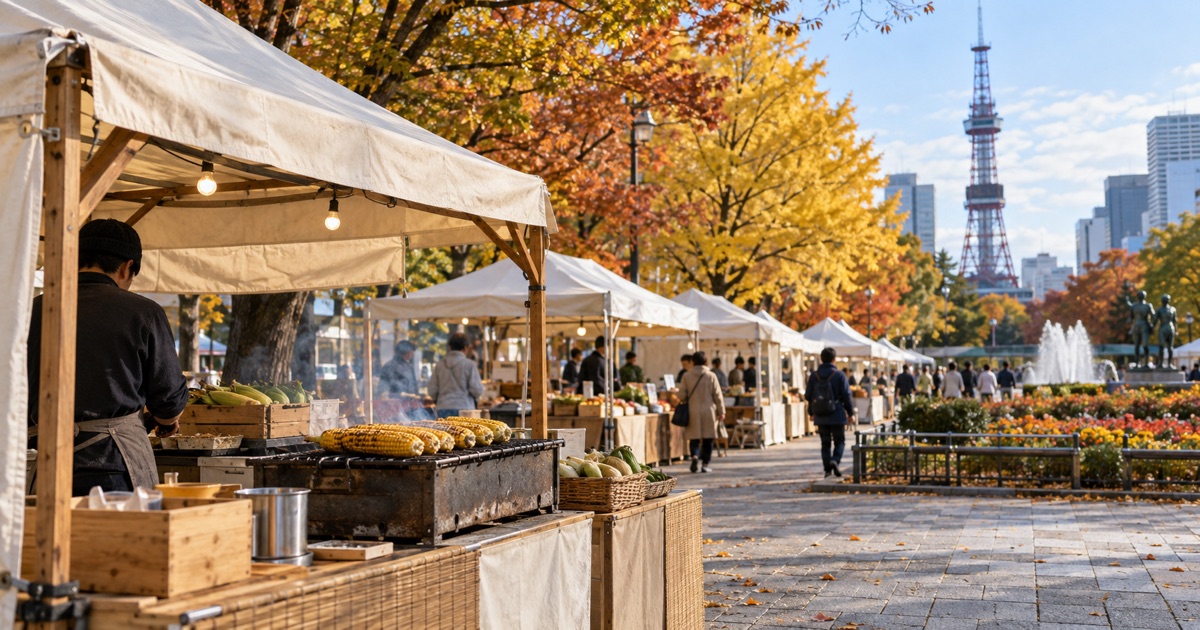
The premier Sapporo food festival is the Sapporo Autumn Fest (さっぽろオータムフェスト), an expansive open-air culinary event held each September in Odori Park (大通公園). Spanning multiple city blocks, it brings together hundreds of agricultural producers, ramen chefs, and seafood vendors from across Hokkaido to celebrate the island's autumn harvest.
For travelers who do not speak or read Japanese, navigating the festival offers an unparalleled way to sample Hokkaido’s regional specialties in one central location. Understanding the layout, key dishes, payment methods, and etiquette will ensure a smooth and memorable dining experience.
What Is the Sapporo Autumn Fest?
Hokkaido is widely regarded as Japan’s agricultural heartland, producing a vast share of the country's dairy, wheat, seafood, and vegetables. To honor the harvest season, the city of Sapporo hosts this multi-week festival in Odori Park, the green corridor cutting directly through the center of downtown Sapporo.
Unlike typical street markets that feature standard festival fare, this event focuses heavily on local terroir. Municipalities from all over Hokkaido set up individual stalls to promote their distinct regional crops and seafood catches. Each block—designated as a "Chome" (丁目)—carries a unique theme, ranging from street snacks and craft beverages to formal chef pop-ups and ramen showcases.
Detailed schedules, vendor rotations, and site maps can be verified prior to visiting via the Japan National Tourism Organization.
Essential Hokkaido Foods to Try
The festival gathers iconic specialties that usually require traveling hundreds of kilometers across the island to taste.
Regional Ramen Styles
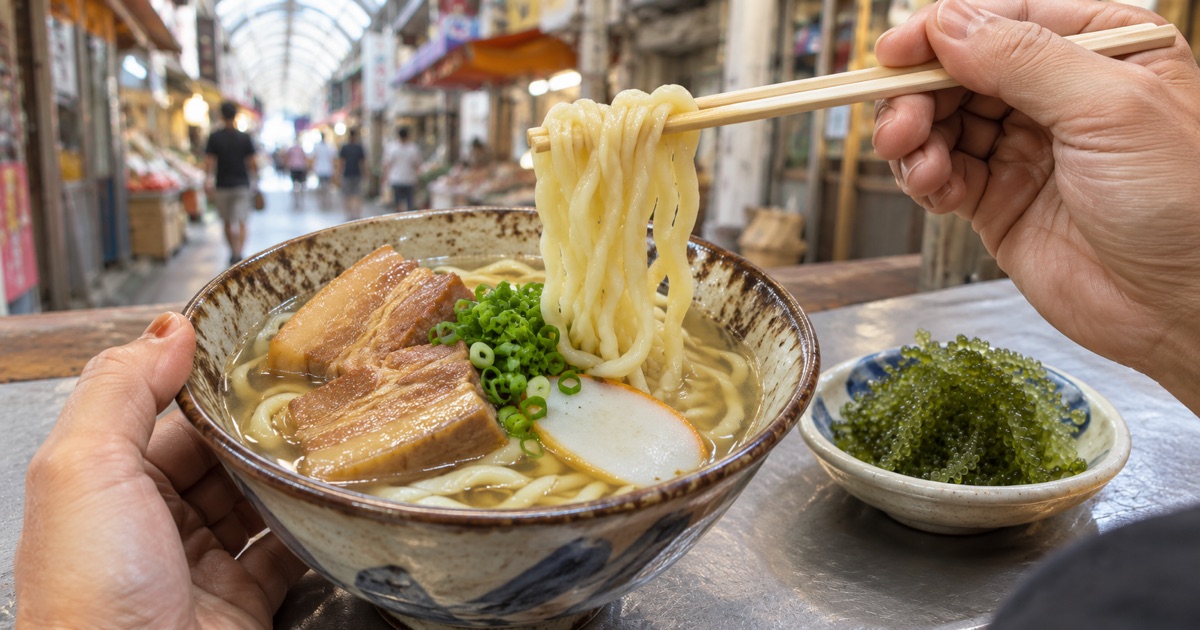
Noodle lovers can explore diverse styles of Hokkaido ramen. While Sapporo is world-famous for its rich, aromatic miso ramen topped with sweet corn and butter, the festival often hosts pop-up stalls featuring:
- Asahikawa Ramen (旭川ラーメン): Known for its robust soy sauce (shoyu) broth layered with seafood and pork stock, often sealed with a thin layer of hot oil.
- Hakodate Ramen (函館ラーメン): A lighter, clear broth seasoned with sea salt (shio) that highlights delicate kelp (kombu) and chicken flavors.
Noodles are served hot in disposable bowls. To eat, retrieve wooden chopsticks from the counter, gently separate the noodles, and slurp to cool them down as you eat.
Fresh and Grilled Seafood
Autumn marks the peak season for several northern sea catches. Festival stalls grill items directly over hot charcoal:
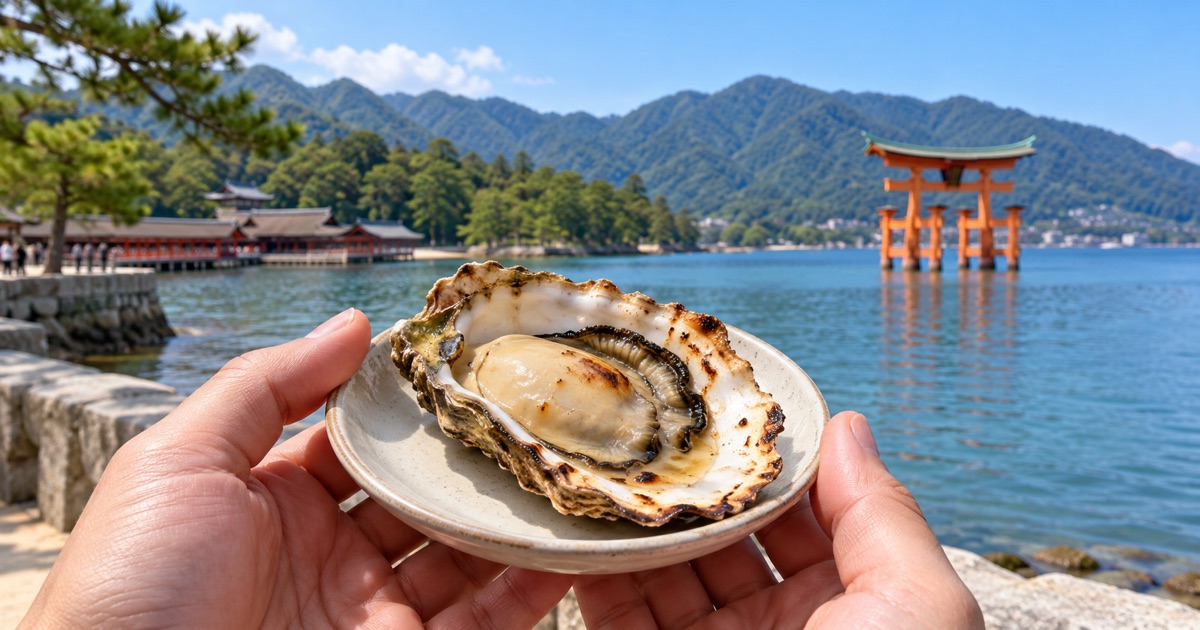
- Scallops (Hotate, ホタテ): Massive Hokkaido scallops grilled in their shells, frequently basted with butter and soy sauce.
- Salmon and Roe (Ikura, いくら): Fresh autumn salmon, often prepared as chanchan-yaki (salmon steamed on a hot griddle with cabbage and sweet miso paste), or served raw over warm rice bowls as glistening marinated roe.
- Crab (Kani, カニ): Vendors offer steamed legs or grilled crab sections, typically hair crab (kegani) or king crab (tarabagani).
Allergy notice: Shellfish and soy sauce (containing wheat) are ubiquitous in these sections.
Jingisukan and Hokkaido Meats
Grilled mutton and lamb, known locally as Jingisukan (成吉思汗), is a beloved Sapporo staple. Slices of lamb are flash-grilled with onions and bean sprouts on convex iron griddles and served with a savory, spiced dipping sauce. In addition to lamb, look for skewers of local Tokachi beef, Hokkaido venison (ezoshika), and seasoned pork skewers from Muroran.
Seasonal Farm Produce and Dairy
Vegetables harvested in late summer and early autumn have an intense natural sweetness:
- Hokkaido Corn: Boiled or brushed with soy sauce and charred over charcoal (yaki-tomorokoshi).
- Steamed Potatoes: Local varieties like Kita-akari or May Queen, split open steaming-hot and topped with a slice of rich Hokkaido churned butter and sometimes salted squid guts (shiokara).
- Dairy Sweets: Hokkaido produces over half of Japan's milk supply. Cool down with soft-serve ice cream (sofutokuriimu), melon parfaits, or cheese tarts made with fresh cream and milk.

We are working to carry Japanese craft and everyday culture beyond Japan, by building Japan Towns with local partners.
Read the Japan Town plan →How to Navigate the Festival Grounds
Odori Park stretches east to west. While themes shift slightly from year to year, the layout generally follows a designated block-by-block arrangement:
- Ramen and Noodle Areas: Several blocks feature rotating ramen lineups where local shops from northern towns set up temporary kitchens.
- Local Municipalities: Mid-park blocks often highlight rural towns, offering fresh seafood, game meats, and specialty vegetables.
- Drinks and International Flavors: Other blocks feature local Hokkaido wines, sake, craft beers, and tapas prepared by Sapporo-based chefs.
Ordering and Dining Steps
- Step 1: Browse the Booths. Walk the perimeter of the block first. Stalls display large photo boards showing available dishes along with prices in yen.
- Step 2: Purchase Tickets or Pay Direct. Some blocks utilize a central ticket machine (often with an English language button), where you buy a paper ticket first and hand it to the cook. Other stalls accept payment directly at the counter.
- Step 3: Collect Food and Utensils. Pick up your freshly prepared dish at the counter, along with disposable chopsticks, napkins, and spoons provided at the pickup window.
- Step 4: Find a Table. Most blocks provide standing counter tables and seated bench tents. High-traffic weekend lunch hours fill up quickly, so finding a table space before carrying multiple bowls is recommended.
- Step 5: Clean Up. Never leave trash on the tables. Each block has an organized waste station staffed by volunteers. Separate your items into plastics, burnables (chopsticks and paper), and liquid leftovers as indicated by the sorting bins.
Payment, Language, and Practical Tips
Money and Cards
While cashless payments are increasingly common across urban Japan, a mix of payment styles remains:
- Cash (Yen): Always carry cash in small denominations (1,000-yen notes and 100-yen coins). A typical small dish ranges roughly from 500 to 1,500 yen.
- IC Cards: Major transit IC cards (such as Suica, Pasmo, or Hokkaido’s Kitaca) are widely accepted at festival checkout terminals. Ensure your card is loaded before arriving at the park.
- Credit Cards: Major credit cards are accepted at many larger stalls, but occasional connectivity issues or small vendor limitations make relying solely on credit cards risky.
Language Assistance
While English menus are not guaranteed at every stall, most vendors rely heavily on photo boards. If you need to confirm an ingredient due to dietary restrictions, keep translation phrases saved on your smartphone:
- "Is this pork?" -> Kore wa butaniku desu ka? (これは豚肉ですか?)
- "Does this contain shellfish?" -> Kairui wa haitte imasu ka? (貝類は入っていますか?)
Getting There and Timing Your Visit
Odori Park is located in central Sapporo:
- Subway Access: Take the Namboku, Tozai, or Toho Subway Lines directly to Odori Station (大通駅). Exits lead immediately into the park blocks above ground.
- On Foot: It is an easy 10- to 15-minute walk south from JR Sapporo Station (札幌駅) along the underground walking concourse (Chi-Ka-Ho) or above-ground streets.
Best Time to Visit
- Weekdays (Late Morning to Early Afternoon): Ideal for avoiding crowds. You will easily find standing tables and enjoy short wait times at popular noodle booths.
- Evenings and Weekends: Atmosphere peaks as local office workers and families gather under the illuminated tents, but lines for popular grill items can extend significantly.
Autumn in Hokkaido arrives earlier than in Tokyo or Kyoto. Daytime temperatures in September are generally pleasant, but evenings can drop sharply. Bringing a light jacket, pocket tissues, and portable wet wipes will keep you comfortable while enjoying the festival's outdoor banquets. For deeper insights into Japanese agricultural standards and seasonal culinary traditions, explore the resources provided by the Ministry of Agriculture, Forestry and Fisheries.
FAQ
- Q. When does the Sapporo Autumn Fest take place?
- A. It generally runs for about three to four weeks every September in Odori Park, but exact dates shift yearly, so check official event listings.
- Q. Do food stalls at the festival accept credit cards or IC cards?
- A. Many booths accept transit IC cards like Suica or Kitaca, as well as credit cards, but smaller regional stands may only take Japanese yen cash.
- Q. Are vegetarian or gluten-free options clearly marked?
- A. Stalls rarely display allergen or dietary labels in English, so travelers with strict dietary restrictions should ask vendors directly about ingredients like soy sauce and dashi.
Cite or share this article
Copy the link below. If you quote this article, please link to this page as the source.