Beaches Near Yokosuka: Coastal Food Guide
Key takeaways
- Top beaches near Yokosuka include Sarushima, Miura Kaigan, and Akiya Beach, accessible via Keikyu trains and local buses.
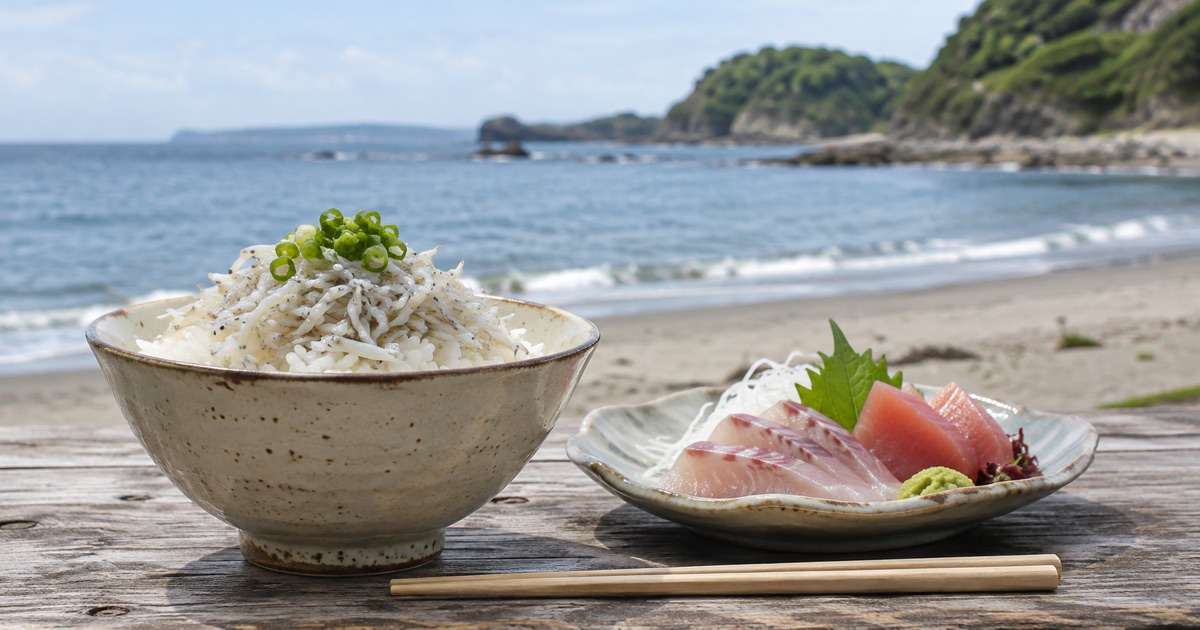
- Local culinary staples along the Miura coast feature raw whitebait (nama shirasu), Misaki tuna bowls, and grilled turban shell.
- Carry cash, watch for seasonal swimming restrictions, and beware of black kites (tobi) snatching open-air beach snacks.
The best beaches near Yokosuka include the island shores of Sarushima, the wide sandy stretch of Miura Kaigan, and scenic spots along the western Miura coast like Akiya Beach and Isshiki Beach. These coastal destinations sit along Kanagawa Prefecture's Miura Peninsula (三浦半島), making them easily accessible within 15 to 45 minutes by train, bus, or short ferry rides from central Yokosuka.
A seaside excursion in this region blends marine leisure with celebrated culinary traditions. Exploring the beaches near Yokosuka offers travellers a direct introduction to coastal Japanese food culture, focusing on morning-caught seafood, seasonal small-fry delicacies, and beachside dining customs.
Key Beaches Near Yokosuka and How to Reach Them
Yokosuka occupies a strategic position on Tokyo Bay, with easy transit links branching out toward the Sagami Bay coast on the west and the outer peninsula to the south. Most destinations rely on the Keikyu Line network, supplemented by local Keikyu bus routes.
Sarushima (猿島)
Sarushima, also known as Monkey Island, is an uninhabited natural island located directly in Tokyo Bay off the coast of Yokosuka. The island features rocky coves, designated swimming zones in summer, historic brick fortifications, and barbecue facilities.
- Transit: Walk roughly 15 minutes from Yokosuka-Chuo Station (横須賀中央駅) on the Keikyu Main Line to Mikasa Pier (三笠桟橋), then board the small passenger ferry for a roughly 10-minute crossing.
- Travel Note: Ferry departures occur at regular intervals throughout the day, but sailings depend heavily on sea conditions and wind. Always consult terminal announcements on the travel day.
Miura Kaigan (三浦海岸)
Miura Kaigan is one of the largest and most popular sandy beaches in the greater Tokyo metropolitan area. Its shallow waters and wide expanse make the beach a primary destination for casual swimmers, windsurfers, and families.
- Transit: Take the Keikyu Kurihama Line directly from Yokosuka-Chuo Station to Miura-Kaigan Station (三浦海岸駅). The train ride takes roughly 15 to 20 minutes, followed by a flat 5-minute walk down to the sand.
Akiya Beach and Tateishi Park (秋谷海岸・立石公園)
Situated on the western side of the Miura Peninsula facing Sagami Bay, Akiya Beach offers coarse volcanic sand, dramatic rocky outcrops, and views of Mount Fuji across the water on crisp days. The landmark rock formation at Tateishi has drawn landscape admirers since the Edo period.
- Transit: From JR Zushi Station (逗子駅) or Keikyu Zushi-Hayama Station (逗子・葉山駅), northwest of Yokosuka, take a local Keikyu bus bound for Nagai or Sajima and alight at the Tateishi (立石) bus stop. Total bus travel time runs roughly 25 to 35 minutes depending on coastal traffic.
Isshiki Beach (一色海岸)
Located slightly north of Akiya in the town of Hayama, Isshiki Beach is known for its serene, pebbly shores and clear water. Bordered on one side by the grounds of the Hayama Imperial Villa, the area maintains a relaxed environment with strict rules against loud amplified music and rowdy gatherings.
- Transit: Board a Keikyu bus from Zushi-Hayama Station destined for Isshiki Beach, reaching the coast in roughly 20 minutes.
For broad regional transport tips and network updates across Kanagawa, consult the Japan National Tourism Organization.
Local Coastal Specialties to Eat Near the Beach
Visiting the coastline of Yokosuka and the wider Miura Peninsula provides direct access to coastal culinary staples. Local waters yield cold-water currents and sheltered bays that support diverse marine harvests.
Shirasu (シラス): Whitebait
Shirasu refers to juvenile whitebait—predominantly sardines and anchovies—and represents the signature seasonal food of Sagami Bay.
- Nama Shirasu (生シラス): Raw whitebait served translucent, soft, and glossy. Because raw whitebait spoils within hours of leaving the water, restaurants only serve raw shirasu on days when fishing boats successfully net morning schools. Diners typically eat raw whitebait atop rice bowls (shirasu-don) alongside grated fresh ginger, finely cut scallions, and a light splash of soy sauce. The flavour profile is clean, oceanic, and mildly sweet with no fishy bitterness.
- Kama-age Shirasu (釜揚げシラス): Freshly boiled whitebait cooked in salted water immediately after harvest. Kama-age shirasu has an opaque white appearance, a tender, pillowy texture, and a gentle brine flavour.
- Tatami Iwashi (たたみいわし): Sun-dried, paper-thin sheets of juvenile sardines that vendors grill lightly over open flames until crisp, served as a savoury beachside snack.
Allergy Warning: Shirasu is an unrefined catch; nets frequently scoop microscopic shrimp, miniature crabs, and squid fry along with the fish. Travellers with shellfish or crustacean allergies must exercise extreme caution when consuming whole shirasu products.
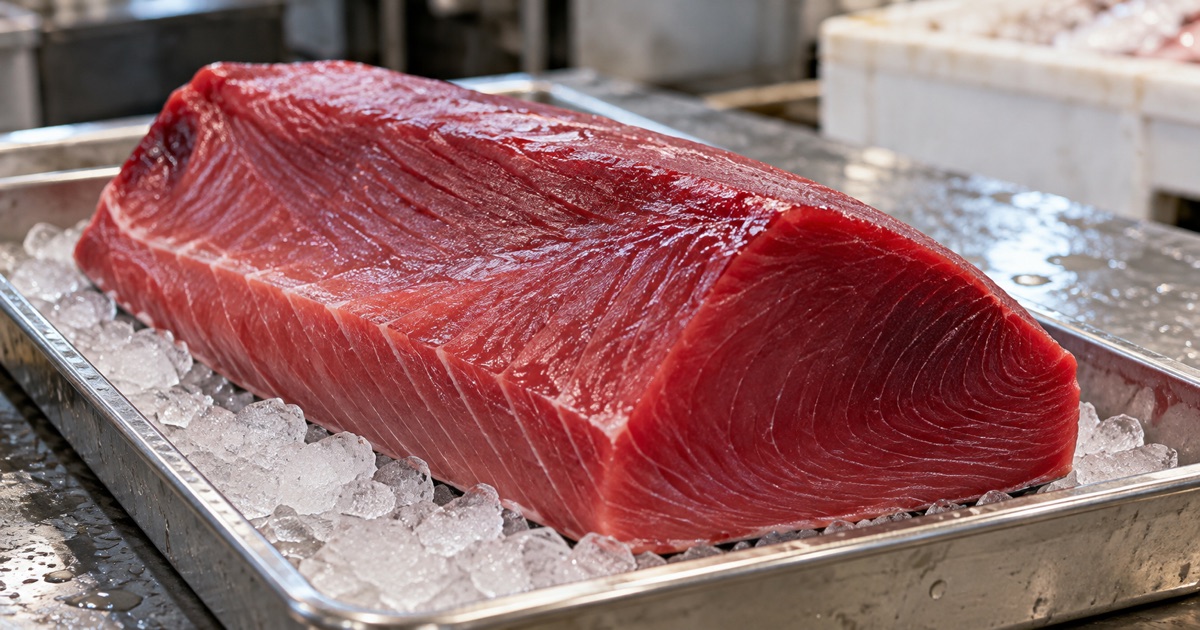
Misaki Maguro (三崎マグロ): Tuna
The southern tip of the peninsula houses Misaki Port, historically one of Japan's primary deep-sea tuna harbours. Beachgoers travelling along the Keikyu Line can easily access tuna dishes near Miura Kaigan and Misakiguchi stations.
- Maguro Don (マグロ丼): Steamed rice bowls topped with thick slices of raw lean tuna (akami), medium-fat belly (chutoro), or minced tuna flesh scraped from the bone (negitoro).
- Maguro Kama-yaki (マグロカマ焼き): The grilled collar bone of the tuna, seasoned simply with coarse sea salt. The collar houses rich, succulent meat with high natural fat levels, providing a smoky contrast to raw sashimi courses.
For background details on Japanese fishery definitions and agricultural trade standards, reference the Ministry of Agriculture, Forestry and Fisheries.
Sazae (サザエ): Turban Shell
Rocky coastal pockets around Sarushima, Hayama, and Jogashima harvest sazae, a large marine snail recognizable by its heavy, spiky shell.
- Sazae no Tsuboyaki (サザエの壺焼き): The entire turban shell is placed directly over hot coals or charcoal grills. Cooks add a dash of dashi broth, sake, and dark soy sauce into the shell opening while the meat bubbles within its natural juices. Diners extract the cooked snail meat using wooden skewers. The muscle provides a dense, chewy texture, while the dark digestive coil at the tail end offers an intensely mineral, bitter finish favoured by seasoned seafood lovers.
We are working to carry Japanese craft and everyday culture beyond Japan, by building Japan Towns with local partners.
Read the Japan Town plan →How to Eat at Japanese Beaches: Etiquette and Tips
Dining along Japanese coastlines differs noticeably from beach cultures in many Western nations. Keep the following operational realities in mind:
The Summer Umi no Ie (海の家) Culture
During the designated official swimming season—which typically runs from early or mid-July through late August—temporary beach shacks known as umi no ie (beach houses) open along stretches like Miura Kaigan.
- Services: Beach houses offer shaded seating, paid shower tokens, luggage lockers, inner tube rentals, and basic dining services.
- Classic Beach Foods: Standard umi no ie menus feature simple casual comfort staples, including cold draft beer, yakisoba (stir-fried noodles with cabbage and pork), curry rice, and shave ice (kakigori) drizzled with sweet fruit syrups.
- Payment: Cash remains strongly preferred at beach shacks, though some operations near train stations accept transit IC cards like Suica and Pasmo. Always carry sufficient physical yen notes and coins.
Beware of Black Kites (Tobi / トビ)
The entire Sagami Bay and Tokyo Bay coastline hosts large populations of tobi (black kites), opportunistic birds of prey that scan shorelines from high thermal drafts.
- Snatching Behaviour: These birds glide silently from behind unsuspecting people to snatch food right out of open hands. Sandwiches, onigiri rice balls, skewered street snacks, and fried chicken are frequent targets.
- Safety Step: Avoid eating while strolling out in the open on the sand. Eat underneath sturdy awnings, inside dining tents, or sit with your back protected against concrete seawalls or cliffs.
Trash Disposal and Cleanliness
Public trash cans are exceptionally rare on Japanese beaches. Leaving waste on the sand, burying wrappers, or cramming personal trash into public restroom receptacles is considered antisocial behavior and strictly prohibited.
- Pack It Out: Always bring plastic bags from local convenience stores inside your day pack to hold your empty cans, food trays, and chopstick wrappers. Carry your waste back to convenience store return receptacles or your accommodation.
Practical Beach Checklist for Visitors
- Transit IC Card: Charge a Suica, Pasmo, or mobile equivalent with at least 2,000 to 3,000 yen to simplify transitions between trains and connecting Keikyu buses without calculating individual zone fares.
- Sun Protection: Many beaches near Yokosuka lack natural tree shade. Bring UV parasols, sunscreen, and broad-brimmed hats.
- Footwear: Rocky shores like Sarushima and Tateishi feature jagged volcanic rocks and submerged barnacles. Pack sturdy water shoes or strapped sandals rather than thin flip-flops to prevent foot cuts while wading.
FAQ
- Q. Which beach is closest to central Yokosuka?
- A. Sarushima (Monkey Island) is the closest natural beach setting, located just a roughly 10-minute ferry ride from Mikasa Pier near Yokosuka-Chuo Station.
- Q. Can visitors eat fresh raw shirasu at beaches near Yokosuka year-round?
- A. No, raw whitebait (nama shirasu) is strictly seasonal and depends on daily catches, typically banned during winter conservation periods between January and mid-March.
- Q. What train line connects Tokyo and Yokosuka to the peninsula's southern beaches?
- A. The Keikyu Main Line and Keikyu Kurihama Line run directly from Shinagawa in Tokyo through central Yokosuka down to southern beach hubs like Miura Kaigan and Misakiguchi.
Cite or share this article
Copy the link below. If you quote this article, please link to this page as the source.