Sapporo Food Recommendations: What to Eat in Hokkaido
Key takeaways
- Top Sapporo dishes include miso ramen, soup curry, grilled mutton jingisukan, and fresh northern seafood.
- Order soup curry by choosing your broth base, main protein, spice level on a numbered scale, and rice volume.
- Most casual dining spots accept IC transportation cards and credit cards, but carry cash for ticket vending machines.
The best Sapporo food recommendations center on rich miso ramen, aromatic soup curry, grilled mutton known as jingisukan, and cold-water seafood like hairy crab and sea urchin. Hokkaido's capital is one of Japan's premier culinary destinations, shaped by expansive agricultural land, dairy farms, and rich northern fishing grounds.
For a first-time visitor navigating the city without Japanese language skills, understanding the structure of these regional dishes makes ordering straightforward and rewarding.
Iconic Sapporo Dishes to Try
Sapporo Miso Ramen (札幌味噌ラーメン)
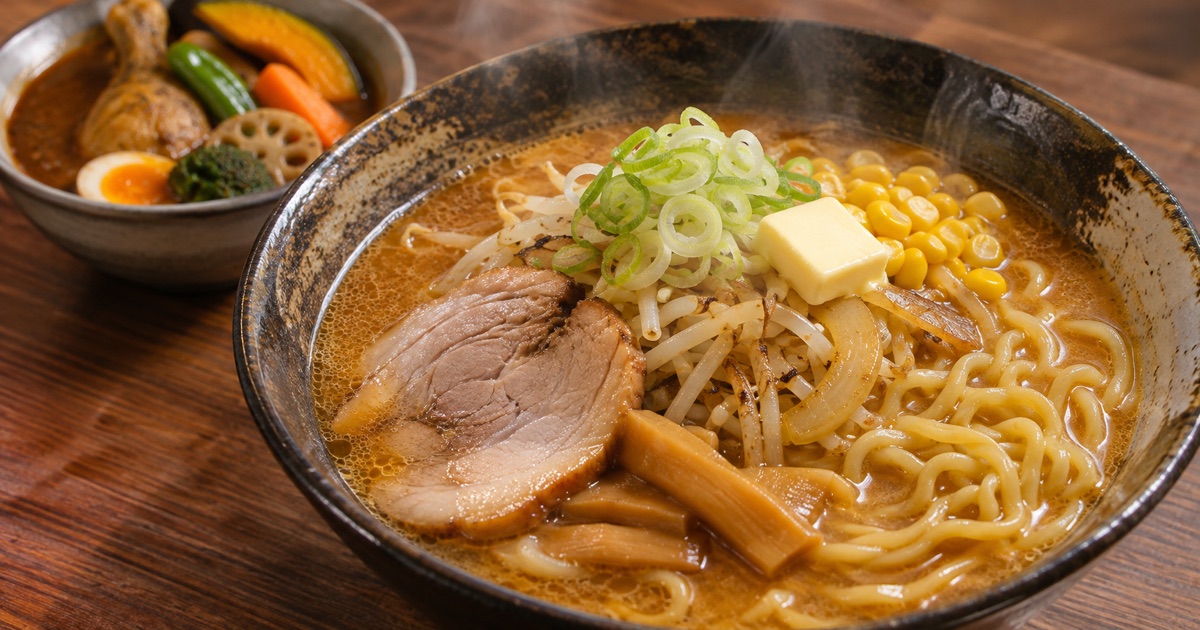
Sapporo is the birthplace of miso-based ramen, created in the mid-20th century to provide a warming, hearty meal during harsh northern winters. The defining characteristic of this style is a piping-hot, robust broth made from pork bones, chicken, or seafood, blended with fermented soybean paste (miso / 味噌) and often stir-fried with garlic, ginger, and vegetables like bean sprouts and onions in a wok.
The noodles used in Sapporo miso ramen are thick, wavy, and yellow due to a high alkaline mineral water content (kansui). These wavy strands are specifically designed to cling to the rich broth. A layer of rendered pork fat (lard) frequently floats on top of the soup. This oily seal keeps the broth steaming hot down to the final bite, which is essential in freezing weather.
Common toppings include sliced roast pork (chashu / チャーシュー), bamboo shoots (menma / メンマ), sweet corn, and a pat of local Hokkaido butter. Note that while corn and butter are popular with tourists, locals often prefer the standard bowl focused purely on the wok-seared vegetables and rich broth.
Allergen note: Contains wheat (gluten), soy, and pork; may contain sesame, dairy (if butter is added), and shellfish.
Soup Curry (スープカレー)
Originating in Sapporo in the 1970s, soup curry differs fundamentally from standard Japanese curry (kare raisu). Instead of a thick, roux-thickened gravy poured over rice, Sapporo soup curry features a light, highly aromatic, spice-infused broth served in a deep bowl, paired with a separate plate of steamed rice.
The broth is typically brewed over many hours using chicken bones, pork bones, or veal, combined with stewed tomatoes, aromatic herbs, and complex spice blends including cumin, coriander, turmeric, and cardamom.
The ingredients inside the soup are distinctive: large, tender portions of bone-in chicken leg, braised pork belly, or lamb, accompanied by vibrant, flash-fried Hokkaido vegetables. You will routinely find thick-cut kabocha pumpkin, lotus root, eggplant, bell peppers, carrots, and potatoes that retain their natural sweetness and texture.
Jingisukan (ジンギスカン)
Named after Genghis Khan, jingisukan is a quintessential Hokkaido soul food consisting of mutton or lamb grilled at your table on a convex, helmet-shaped metal hot plate. Hokkaido has a long history of sheep farming, making it one of the few regions in Japan where sheep meat is a staple rather than a rarity.
The cooking grate is ridged with a raised center. A chunk of lamb fat is placed at the peak to melt and grease the iron. Strips of meat are seared on the sloped dome, while sliced onions, bean sprouts, and cabbage sit around the lower perimeter. As the meat cooks, its savory juices flow downward, seasoning and caramelizing the vegetables.
There are two primary styles:
- Pre-marinated: The meat is soaked in a savory-sweet marinade made from soy sauce, grated apple, onion, garlic, and ginger before grilling.
- Freshly grilled: Unseasoned cuts of fresh lamb or mutton are seared over the flame and dipped into a tangy soy-and-citrus dipping sauce right before eating.
Northern Seafood: Crab, Sea Urchin, and Salmon
Surrounded by the Sea of Japan, the Pacific Ocean, and the Sea of Okhotsk, Hokkaido delivers exceptional seafood throughout the year. Sapporo serves as the central hub where this seafood arrives daily.
- Crab (Kani / カニ): Sapporo is famous for several crab varieties. Horsehair crab (kegani / 毛ガニ) is prized for its sweet meat and rich, buttery tomalley (kanimiso / かにみそ). Red king crab (tarabagani / タラバガニ) offers thick, meaty legs, while snow crab (zuwaigani / ズワイガニ) is celebrated for its delicate, stringy texture.
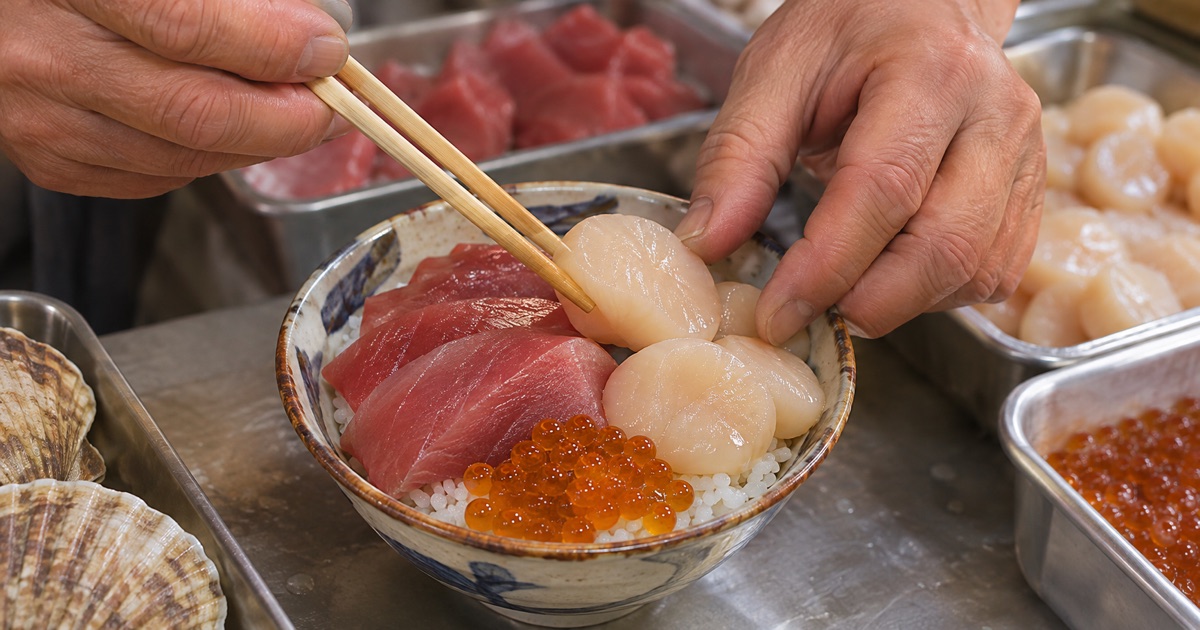
- Sea Urchin (Uni / ウニ): Sourced from nearby coastal waters, fresh northern sea urchin is creamy, sweet, and oceanic, lacking the bitterness found in lower-grade preserved varieties. It is commonly served raw over warm vinegared rice in a seafood bowl (kaisendon / 海鮮丼).
- Salmon and Roe (Ikura / イクラ): Salmon is integral to Hokkaido cuisine. Autumn brings fresh salmon roe, cured lightly in soy sauce or salt, creating plump spheres that pop with savory juice. A classic preparation is Ishikari nabe (石狩鍋), a winter hot pot featuring salmon chunks, vegetables, tofu, and konjac simmered in a kelp-and-miso broth.
For broader national standards on regional agricultural products and seafood production, you can consult the Ministry of Agriculture, Forestry and Fisheries.
How to Order and Eat Sapporo Specialties
How to Order Soup Curry
Soup curry menus follow a modular step-by-step format. Menus almost always feature English translations or clear photographs:
- Choose your soup base: Standard chicken/tomato broth, rich coconut broth, shrimp broth, or herb broth.
- Select your main topping: Braised chicken leg (chikin / チキン), braised pork kakuni, vegetable medley, or seafood.
- Pick your spice level: Usually graded on a scale from 0 (mild) to 10 or higher. A level 2 to 3 generally corresponds to a standard medium heat. Beware that levels above 5 often incorporate fiery chili peppers.
- Choose your rice portion: Small (shō / 小), medium (chū / 中), or large (ō / 大). Some shops offer a slice of melted cheese over the rice as an optional topping.
How to eat it: Take a spoonful of rice, dip it directly into the soup broth until soaked, and bring it to your mouth. Alternatively, spoon some broth over your rice. You do not dump all the rice into the soup bowl at once, as this makes the broth starchy and murky.
Navigating a Ramen Ticket Machine (Kenbaiki)
Many casual ramen counters use ticket vending machines at the entrance:
- Insert cash first (1,000-yen notes and coins are universally accepted; some newer machines accept IC cards like Suica or Kitaca).
- Press the button corresponding to your choice. Miso ramen is typically highlighted in the top row. Look for the characters 味噌 (miso).
- Take your printed paper ticket and any change returned.
- Hand the ticket to the counter staff when seated. You may be asked about noodle firmness: firm (katame / 固め) or regular (futsū / 普通).
We are working to carry Japanese craft and everyday culture beyond Japan, by building Japan Towns with local partners.
Read the Japan Town plan →Practical Dining Advice for Visitors
Cash and Payment Methods
While high-end restaurants, department store dining floors, and chain stores accept major international credit cards, many historic ramen stalls and morning market vendors operate strictly on cash. Always keep around 5,000 to 10,000 yen in cash when heading out for casual meals.
Timing and Peak Hours
Lunch rush across downtown Sapporo runs roughly from 11:30 to 13:30, and dinner peaks between 18:00 and 20:30. Renowned noodle counters and soup curry establishments often seat fewer than 15 patrons, leading to queues during these windows. Arriving 15 minutes before opening or visiting between 14:00 and 17:00 minimizes wait times.
Getting Around the Food Districts
Sapporo's dining scene is concentrated along clear subway arteries:
- Susukino (すすきの): The city's primary nightlife district, home to hundreds of izakaya, jingisukan specialists, and the famous Ramen Alley (Ganso Ramen Yokocho). Located directly on the Namboku Subway Line.
- Odori (大通): The central park area, surrounded by department store basement food halls (depachika), which are excellent for sampling local dairy items, pastries, and packaged snacks.
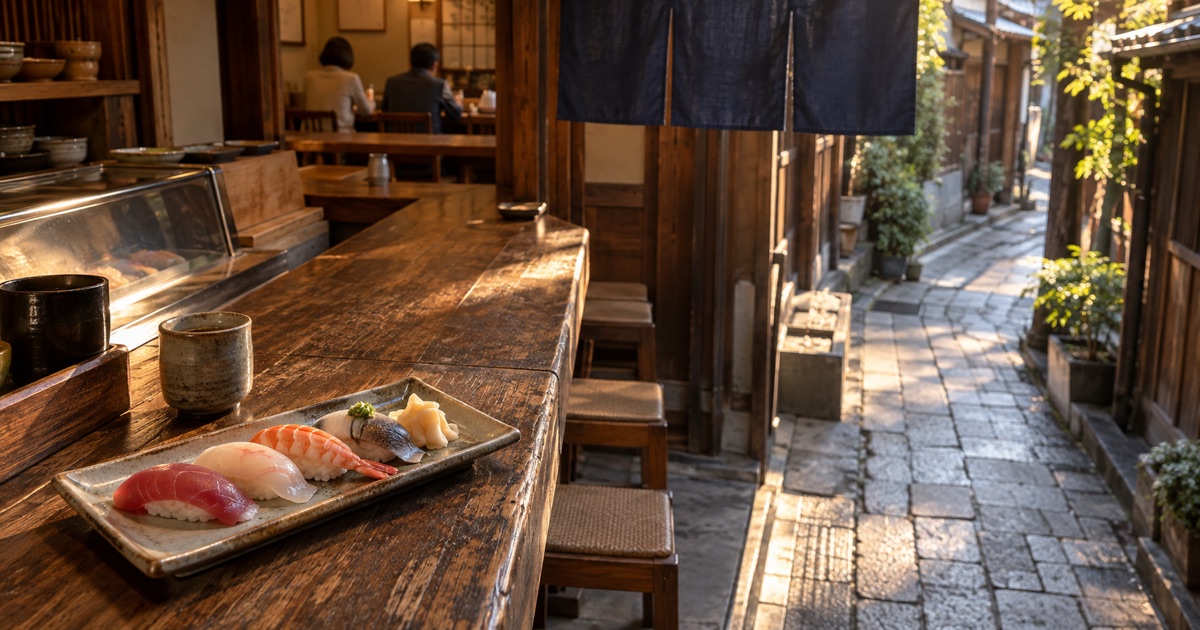
- Sapporo Station (札幌駅): The main transit hub features extensive underground shopping arcades and high-rise restaurant floors offering fresh sushi and regional dishes.
For general transportation schedules and transit passes across the city, refer to the Japan National Tourism Organization.
Common Mistakes to Avoid
- Assuming all Hokkaido ramen is miso: While Sapporo is famous for miso, Asahikawa to the north is famed for soy sauce (shoyu) ramen, and Hakodate to the south is renowned for clear salt (shio) ramen. Sapporo shops often serve all three, but miso remains the local specialty.
- Overdressing inside restaurants: Sapporo's indoor heating is powerful during autumn and winter. Wear layered clothing so you can easily remove heavy winter coats before sitting at steaming ramen bars or charcoal-grill tables.
- Leaving meat unattended on the Jingisukan grill: The iron dome gets exceptionally hot. Cook the thin lamb slices quickly—often just a minute or two per side—to prevent the meat from drying out or sticking to the ridges. Keep the vegetables moving along the lower moat so they soften without burning.
- Neglecting seasonal changes: Seafood availability shifts significantly by season. Check what is currently in peak season (shun / 旬) when ordering seafood bowls or sushi in Sapporo.
FAQ
- Q. What is the most famous food to eat in Sapporo?
- A. Sapporo is best known for rich miso ramen, aromatic soup curry, jingisukan (grilled mutton), and cold-water seafood like crab and sea urchin.
- Q. How do you order soup curry in Sapporo?
- A. You choose your broth style, pick a main meat or vegetable topping, select a spice level from a numbered chart, and decide your rice portion.
- Q. Are credit cards widely accepted at Sapporo food spots?
- A. Major dining establishments accept international credit cards, but smaller ramen counters and market stalls often require Japanese yen cash.
Cite or share this article
Copy the link below. If you quote this article, please link to this page as the source.