Sapporo Food Specialties: What to Eat in Japan's North
Key takeaways
- Sapporo's signature dishes are miso ramen, Genghis Khan (grilled lamb), fresh crab, soup curry, and dairy-based sweets like soft serve.
- Hokkaido's cold climate and rich seas make it known for seafood, dairy, corn, and potatoes, which shape most local specialties.
- Many dishes are shared or grilled at the table, so check allergens (wheat, dairy, shellfish, soy) before ordering.
What Are Sapporo's Most Famous Food Specialties?
Sapporo's most famous food specialties are miso ramen, Genghis Khan grilled lamb, fresh crab and seafood bowls, soup curry, and rich dairy desserts. These dishes reflect Hokkaido's cold climate, fertile farmland, and surrounding seas, which together produce some of Japan's best pork, lamb, dairy, corn, and seafood. First-time visitors can try most of these dishes within a short walk of central Sapporo, without needing to read Japanese or book anything in advance.
This guide explains what each dish is, how it's typically eaten, and what to watch out for as a visitor, including common allergens and ordering mistakes.
Sapporo Miso Ramen (味噌ラーメン)
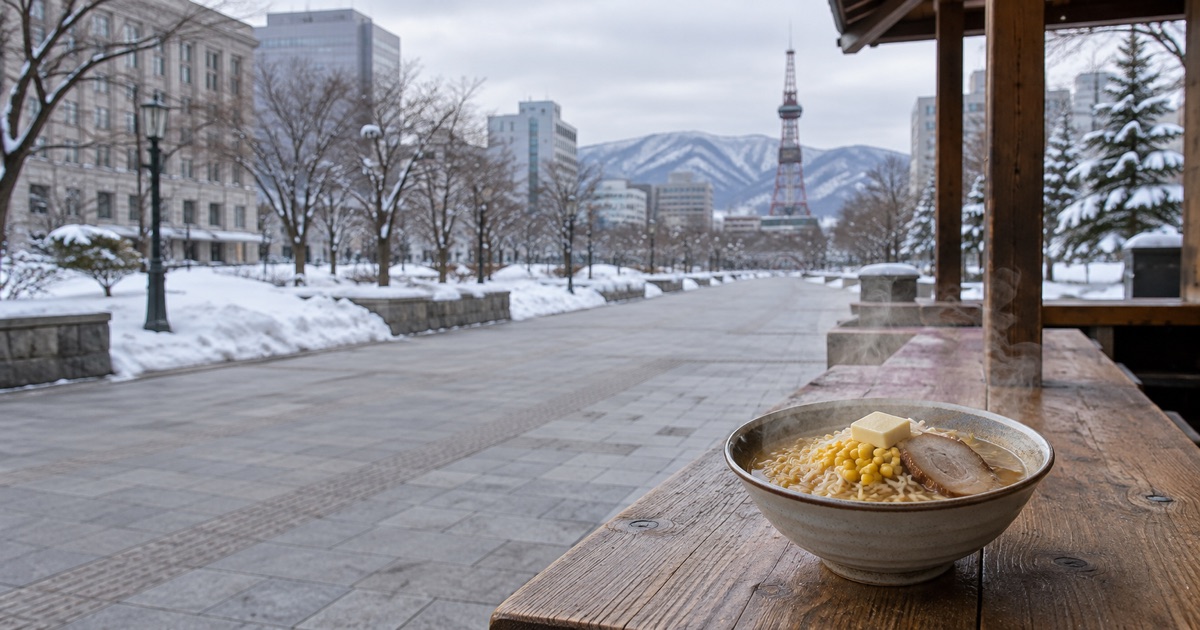
Sapporo is widely credited as the birthplace of miso ramen, and it remains the city's most iconic dish. The broth is made by blending pork-bone (tonkotsu) or chicken stock with fermented soybean paste (miso), creating a thick, savory soup. Typical toppings include corn, a pat of butter, bean sprouts, ground pork, and sometimes bamboo shoots (menma).
Ramen is eaten by lifting noodles with chopsticks and drinking broth either directly from the bowl or with a spoon. Slurping is completely normal and not considered rude. Most ramen shops in Sapporo are small, counter-style restaurants, and some have ticket machines near the entrance where you select and pay for your dish before sitting down. If you see one, choose your item on the machine first, take the ticket, and hand it to staff.
Allergens to note: wheat (noodles), soy (miso, soy sauce), egg (in some noodle recipes), and pork or pork-based broth, which may not suit all dietary needs.
Genghis Khan (ジンギスカン): Grilled Hokkaido Lamb
Genghis Khan, often shortened to "Jingisukan," is grilled lamb and mutton cooked on a distinctive dome-shaped cast iron pan, with vegetables like onion, bean sprouts, and cabbage cooked in the meat's juices around the rim. It's closely associated with Hokkaido, where sheep farming historically took hold.
Diners typically grill the meat themselves at the table, dipping cooked pieces into a tare sauce made from soy sauce, garlic, ginger, and fruit. Some restaurants offer lamb marinated in advance, while others serve it plain for diners to season after grilling. It's often eaten as a shared, social meal, similar to Korean barbecue, and pairs well with rice or beer.
Common mistake: overcooking the lamb. Thin-cut slices cook in under a minute per side; leaving them too long makes the meat tough.
Fresh Crab and Seafood Bowls (Kaisendon)
Hokkaido's cold northern waters produce some of Japan's most prized seafood, and Sapporo is a convenient place to try it without traveling further north. King crab, snow crab, and hairy crab (kegani) are widely available, served boiled, grilled, or in hot pot (nabe). Many restaurants also offer crab tempura or crab gratin.
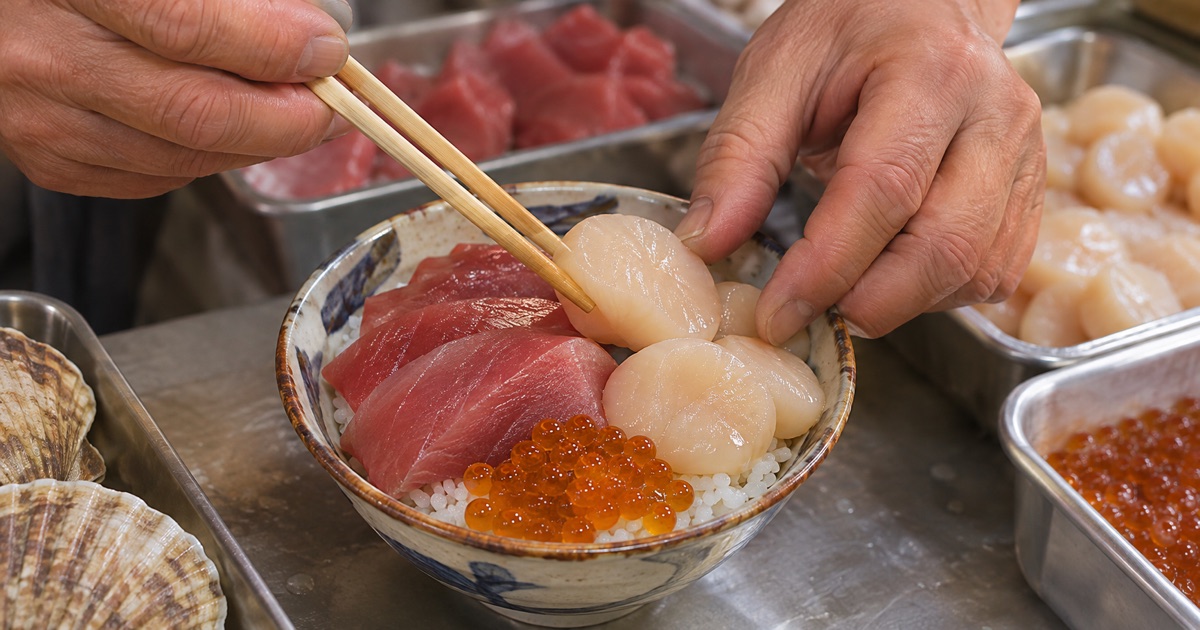
A kaisendon (seafood rice bowl) is a practical way to sample a variety of seafood in one sitting. It typically layers raw fish, crab, sea urchin (uni), and salmon roe (ikura) over vinegared or plain rice. These are usually eaten as-is, occasionally with a small amount of soy sauce drizzled on top; it's common courtesy not to over-pour, since the fish is often already seasoned.
Allergens to note: shellfish and fish are obvious concerns; some sauces also contain soy and wheat.
Soup Curry (スープカレー)
Soup curry is another Sapporo original, distinct from the thicker Japanese curry rice found elsewhere in the country. It consists of a thin, spiced broth, often chicken or vegetable-based, served with large chunks of vegetables (like whole potatoes, carrots, and pumpkin) and a protein such as chicken leg, pork, or seafood, alongside a separate bowl of plain rice.
Diners typically spoon rice into the soup gradually rather than pouring it all in at once, allowing the rice to stay firm while still absorbing flavor. Spice levels are often adjustable, and restaurants may offer a choice from mild to very hot; if you're unsure, starting at a lower level is a safe approach, since Hokkaido-style soup curry can be spicier than typical curry rice.
Allergens to note: wheat, soy, and dairy are common in the spice base and stock, depending on the recipe.
Hokkaido Dairy: Soft Serve, Cheese, and Butter
Hokkaido produces a large share of Japan's milk, and this shows up constantly in Sapporo's food scene. Soft serve ice cream (soft kurimu) made with Hokkaido milk is sold widely, often at markets, convenience stores, and dessert shops, and is noticeably rich compared to standard soft serve. Butter, cheese, and condensed milk from Hokkaido are also popular souvenirs and ingredients used in local sweets and baked goods.
These dairy products are generally eaten on the spot (soft serve) or purchased as packaged goods to take home or back to your hotel. Note that dairy-based souv21irs with fresh cream often have limited shelf life and may not suit long international flights without refrigeration; dried or shelf-stable versions travel better.
Allergens to note: dairy (milk), and occasionally nuts or soy depending on added flavorings.
Corn and Potatoes: Hokkaido's Farm Produce
Hokkaido's farmland produces much of Japan's corn and potatoes, and both appear frequently in Sapporo's food scene, from grilled corn (tomorokoshi) sold at outdoor stalls to potato-based snacks and dishes like potato butter (grilled potato topped with butter and sometimes soy sauce). These simple preparations let the quality of the produce stand out and are usually inexpensive.
How to Plan a Food-Focused Day in Sapporo
Central Sapporo is compact, and most of the dishes above can be found within walking distance of Sapporo Station or the Susukino area, a short subway or walk from the station depending on where you're staying. A relaxed pace might include ramen for lunch, a walk through a local market or shopping street in the afternoon, and Genghis Khan or seafood for dinner.
Bring cash as a backup, since smaller restaurants in Japan don't always accept credit cards, though this is gradually changing. It also helps to check restaurant hours in advance where possible, since they can vary by season and sometimes change without much notice. For general travel planning and up-to-date seasonal information, the Japan National Tourism Organization is a reliable starting point.
We are working to carry Japanese craft and everyday culture beyond Japan, by building Japan Towns with local partners.
Read the Japan Town plan →A Few Common Mistakes to Avoid
- Skipping the ticket machine queue: at ramen shops with ticket machines, select and pay first; don't wait to be seated before ordering.
- Assuming all crab dishes are inexpensive: fresh Hokkaido crab, especially king crab, can be priced per weight and add up quickly; check menus or displayed prices before ordering.
- Overpouring soy sauce on seafood bowls: much of the fish is pre-seasoned, so a small amount goes a long way.
- Not checking spice levels on soup curry: Hokkaido-style soup curry can run hotter than expected; ask staff if you're unsure.
For more on how individual Japanese ingredients and dishes fit into a balanced diet, see this site's nutrition pages, or consult the Ministry of Agriculture, Forestry and Fisheries for background on Japan's regional food products.
FAQ
- Q. What is the most famous food in Sapporo?
- A. Miso ramen is generally considered Sapporo's signature dish, a rich pork-bone broth flavored with fermented soybean paste and topped with corn, butter, and bean sprouts.
- Q. Is Genghis Khan (Jingisukan) eaten only in Sapporo?
- A. It's associated with Hokkaido broadly, but Sapporo has many places to try it, grilling lamb and vegetables on a distinctive domed iron pan.
- Q. What seafood should I try in Sapporo?
- A. Fresh crab (king, snow, and hairy crab), sea urchin (uni), and salmon roe (ikura) are widely considered highlights, often served as rice bowls called kaisendon.
Cite or share this article
Copy the link below. If you quote this article, please link to this page as the source.