Setagaya Food Culture Center: Tokyo Heritage Produce
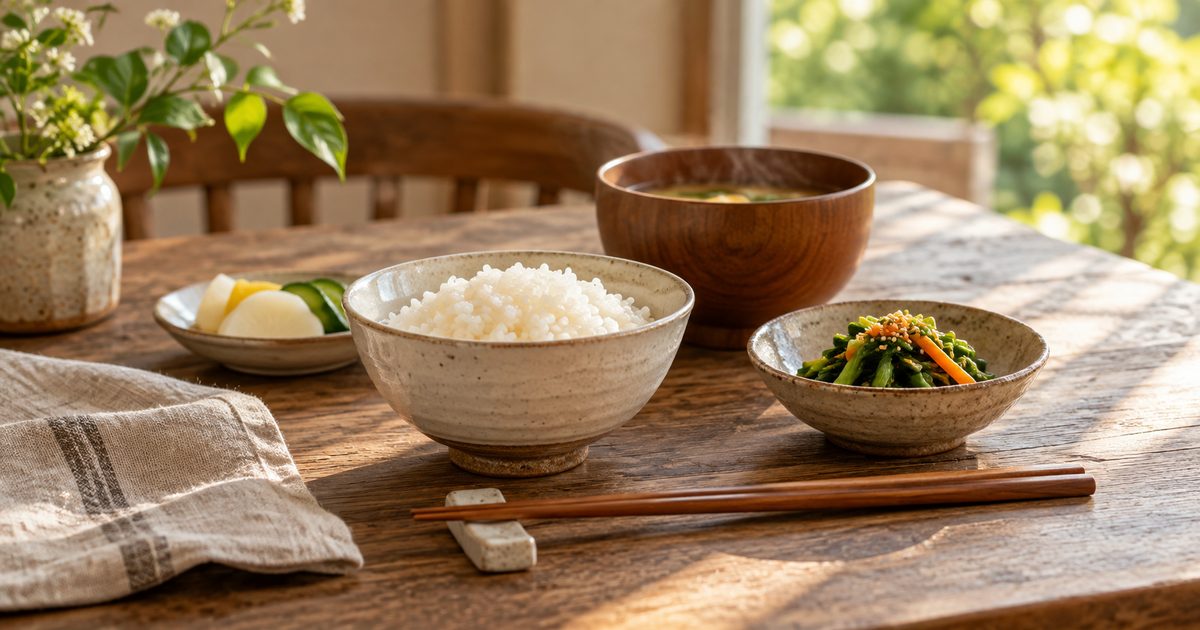
Key takeaways
- Explore Tokyo's suburban agricultural heritage and traditional Edo-Tokyo vegetables cultivated in Setagaya.
- Learn the culinary profiles and preparation methods for heirloom daikon, greens, and seasonal crops.
- Access historical food culture spots easily via Tokyo's extensive railway network from major hubs.
The Setagaya food culture center concept represents the rich culinary and agricultural heritage preserved within Tokyo's Setagaya Ward (世田谷区). Although Setagaya is today recognized primarily as a bustling residential district in southwestern Tokyo, it remains an essential epicenter for traditional urban farming, culinary heritage preservation, and heirloom Edo-Tokyo vegetables (江戸東京野菜).
Visitors looking into the food culture of Setagaya will discover an intertwined story of ancient farming traditions, river-basin cuisine, and modern farm-to-table culinary customs that thrive alongside Tokyo's rapid modernization.
Setagaya and the Heritage of Edo-Tokyo Produce
Before Tokyo transformed into a sprawling metropolis, the surrounding Musashino Plateau was the primary vegetable basket feeding the immense population of Edo (historic Tokyo). Setagaya, blessed with rich volcanic ash loam and freshwater systems like the Tama River (多摩川), developed unique farming methods and heirloom crop varieties that continue to shape local culinary identity.
Today, Tokyo's metropolitan initiatives, supported by organizations such as the Ministry of Agriculture, Forestry and Fisheries, protect these unique regional varieties. Learning about Setagaya food culture allows travelers to understand that Japanese food is not solely defined by prestige ingredients from distant prefectures, but also by historic produce grown right within city limits.
Iconic Traditional Vegetables of the Area
Edo-Tokyo vegetables carry registered designations signifying varieties bred or cultivated in Tokyo before the mid-twentieth century. Key varieties associated with Setagaya and neighboring districts include:
- Okura Daikon (大蔵大根): Originating in Setagaya's Okura district during the early 1900s, this radish is cylindrical from top to bottom, unlike modern tapered varieties. It features dense, fine-grained flesh that resists breaking apart during long simmering, with gentle sweetness and minimal bitterness.
- Setagaya Cabbage (世田谷キャベツ): Highly prized for sweet, tightly layered, crisp leaves. Unlike typical storage cabbage, it exhibits tender, juicy veins ideal for fresh raw eating or light braising.
- Chitose Chinese Cabbage (千歳白菜): A cold-weather specialty bred for sweet flavor and dense structure, historically favored for winter hot pots and preservation.
Flavor Profiles and Culinary Characteristics
Heirloom vegetables grown in Setagaya's mineral-rich soil differ significantly from modern mass-market hybrid vegetables. Modern commercial cultivars prioritize transport durability and uniform growth, while heritage cultivars prioritize deep, earthy flavors, thick cell walls, and specific cooking traits.
How Okura Daikon Cooks Differently
Okura daikon contains lower water volume per cellular unit compared to ubiquitous Aokubi daikon. When simmered, it absorbs broth thoroughly without turning mushy. The exterior skin is relatively thick and fibrous, requiring generous peeling, but the interior yields a melt-in-the-mouth texture while holding its shape in hot pot dishes (nabemono) or oden.
Raw Sweetness and Umami in Local Leafy Greens
Leafy brassicas and cabbages from Setagaya develop concentrated sugars in response to chilly winter winds descending across the plain. The high starch-to-sugar conversion provides natural sweetness, reducing the need for added sugar in stocks or marinades.
We are working to carry Japanese craft and everyday culture beyond Japan, by building Japan Towns with local partners.
Read the Japan Town plan →How to Eat Setagaya Heritage Ingredients
Traditional Tokyo home cooking treats heritage vegetables with minimal intervention to emphasize their intrinsic textures and aromas. If you prepare or order dishes incorporating Setagaya produce, look for preparations that rely on classic dashi seasoning.
Classic Simmered Dishes (Nimono)
The signature preparation for heirloom daikon is furofuki daikon (風呂吹き大根). Thick rounds of daikon simmer gently in dashi broth until tender enough to yield to a chopstick without resistance. A dollop of sweet miso glaze made with white or red miso, mirin, and dashi sits atop the warm radish round. This allows the clean, peppery-sweet flavor of the vegetable to contrast with rich, savory miso.
Quick Pickling (Asazuke)
Cabbage and local greens frequently appear as asazuke (浅漬け). Thinly sliced leaves receive a light dusting of sea salt, sliced kombu seaweed, and a hint of red chili pepper, pressed under a light weight for roughly an hour. This retains the satisfying crunch while drawing out vegetable moisture, offering a refreshing palate cleanser between rich courses.
Seasonal Vegetable Soups (Kenchinjiru)
Root vegetables from the Setagaya harvest form the core of kenchinjiru (けんちん汁), a traditional vegetarian soup rooted in temple cuisine. Daikon, burdock root (gobo), taro, and carrots are sautéed in aromatic sesame oil before simmering in a kelp-and-shiitake mushroom broth, finished with a dash of soy sauce.
Navigating Food Culture Sites in Setagaya
Travelers interested in exploring local farm culture, historical agricultural halls, or buying seasonal produce directly from neighborhood farm stands can navigate the ward easily via public transport. For transit planning, check route overviews via the Japan National Tourism Organization.
Key Transportation Corridors
Setagaya is crossed by several private railway lines radiating out from major Tokyo hubs:
- Tokyu Den-en-toshi Line (東急田園都市線): Connects directly from Shibuya Station (渋谷駅) to stations like Sangen-Jaya (三軒茶屋) and Futako-Tamagawa (二子玉川). Transit times from Shibuya take roughly 5 to 15 minutes depending on the train tier.
- Odakyu Odawara Line (小田急小田原線): Runs directly from Shinjuku Station (新宿駅) to stations such as Shimokitazawa (下北沢) and Seijogakuen-mae (成城学園前), taking approximately 10 to 20 minutes.
- Tokyu Setagaya Line (東急世田谷線): A charming two-car tram line running between Sangen-Jaya and Shimo-Takaido (下高井戸), passing through traditional residential neighborhoods with community farm plots.
Practical Tips for First-Time Visitors
Visiting local farm plots, community heritage museums, and neighborhood vegetable stands requires a few practical considerations:
- Bring Cash: Automated coin-operated vegetable lockers and neighborhood roadside stands (mujin hanbai-jo) only accept 100-yen and 500-yen coins. Electronic transit IC cards or credit cards are rarely accepted at unstaffed stands.
- Equip Translation Apps: Educational plaques at agricultural heritage sites, farm stands, and community food centers almost exclusively use Japanese. A smartphone camera translation app is essential for reading ingredient descriptions and seasonal notices.
- Respect Farming Boundaries: Urban farming plots in Setagaya are private property. Do not enter fields or touch crops unless participating in an organized harvesting workshop.
- Check Operating Days: Cultural heritage archives, community food spaces, and farm markets frequently close on Mondays or irregular weekdays. Always verify schedules online before planning your route.
Dietary Considerations and Allergens
While fresh vegetables present minimal allergen risk, traditional preparations incorporate classic Japanese seasoning agents that require attention:
- Soy and Wheat: Soy sauce (shoyu) and miso are ubiquitous in simmered dishes and dressings, containing both soy and wheat allergens.
- Fish Broth: Even purely vegetable-focused soups or stews frequently use bonito flake (katsuobushi) broth. Vegans and vegetarians should inquire about dashi ingredients beforehand.
- Sesame: Toasted sesame seeds and sesame oil are staple seasonings across Tokyo vegetable cuisine.
By exploring Setagaya's food culture, visitors encounter an authentic dimension of Tokyo that sits far from neon skylines—a living culinary landscape where heirloom varieties connect the historic plates of Edo to modern Japanese dining.
FAQ
- Q. Can I visit Setagaya to learn about traditional Tokyo food culture without speaking Japanese?
- A. Yes, you can navigate local heritage archives, agricultural parks, and farm stands easily using translation apps on smartphone camera mode.
- Q. What traditional ingredients are historically linked to Setagaya?
- A. Setagaya is renowned for Edo-Tokyo heritage produce, particularly Okura daikon radish, Setagaya cabbages, and various leafy green brassicas.
- Q. Are fresh local vegetables available year-round in Setagaya?
- A. Produce changes completely with each micro-season, meaning root crops peak in winter while beans, eggplants, and tomatoes dominate summer.
Cite or share this article
Copy the link below. If you quote this article, please link to this page as the source.