Fudai Food Guide: Seaweed and Coastal Iwate Flavors
Key takeaways
- Fudai food centers on coastal Iwate specialties, particularly prized konbu kelp and fresh Pacific seafood.
- Kelp and seaweed from Fudai are staples in Japanese dashi broth and everyday local home cooking.
- Visitors can access Fudai via the Sanriku Railway, but regional shops often operate on cash-only systems.
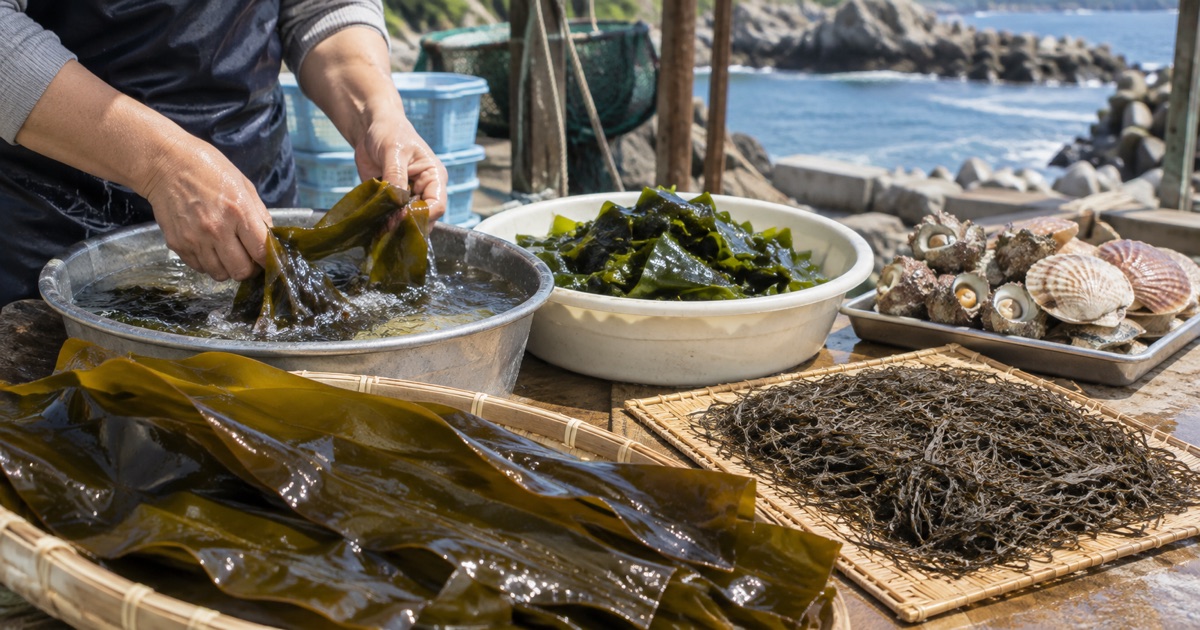
Fudai food refers to the maritime culinary traditions and seafood products originating from Fudai Village (普代村, Fudai-mura) along the rugged Sanriku Coast of Iwate Prefecture. The area is best known throughout Japan for its exceptional quality seaweed—particularly wild and cultivated kelp (konbu, 昆布) and wakame (わかめ)—as well as deep-sea catches pulled from the cold waters of the Pacific Ocean.
Located in northeastern Honshu, this secluded coastal settlement has built its culinary identity around the bounties of the sea. For travelers exploring the greater Tohoku region, tasting the marine ingredients and home-style cooking of Fudai offers a direct window into how traditional Japanese coastal communities eat.
The Pillars of Fudai Cuisine: Seaweed and Shellfish
The Pacific coastline off Fudai features steep sea cliffs, deep bays, and nutrient-rich currents. These natural conditions make the area an ideal breeding ground for marine botanicals and cold-water sea life.
Fudai Konbu (Kelp)
Konbu is the cornerstone of Fudai's local economy and cooking. The kelp harvested here grows thick and flavorful due to the brisk ocean temperatures and mineral runoff from the surrounding coastal mountains.
Locals categorize and use konbu in distinct ways:
- Dashi Konbu (だし昆布): Dried sheets of kelp used as the foundation for dashi, the umami-rich clear broth that forms the backbone of Japanese cuisine. Simmered gently with water, it extracts glutamic acid without turning bitter.
- Suki-konbu (すき昆布): A regional specialty where freshly harvested kelp is finely shredded into thin mats and dried in flat squares. Cooks rehydrate these mats in warm water for a few minutes before simmering them with root vegetables, fried tofu, and soy sauce.
- Tsukudani (佃煮): Thick ribbons of kelp simmered down with dark soy sauce, mirin, and sugar until glossy, sweet, and intensely savory. It is eaten as an accompaniment to plain white rice.
To learn more about the agricultural and marine heritage of regional Japan, visit the Ministry of Agriculture, Forestry and Fisheries.
Wakame and Mekabu
Alongside konbu, Fudai produces substantial amounts of wakame. Fresh springtime wakame is blanched quickly in boiling water, which turns it from an earthy brown to a vivid emerald green in seconds. It is eaten in miso soups, tossed into vinegar-dressed salads (sunomono, 酢の物), or served atop bowls of buckwheat soba noodles.
The ruffled, flowering base of the wakame plant—known as mekabu (めかぶ)—is finely chopped until it takes on a thick, viscous texture. Poured over hot rice or chilled noodles with a dash of soy sauce, it provides a cooling, slippery mouthfeel popular in coastal households.
Seasonal Pacific Seafood
Beyond sea greens, the fishermen of Fudai harvest a variety of fish and shellfish depending on the time of year:
- Sea Urchin (Uni, ウニ): Collected during the summer months, fresh sea urchin from coastal Iwate is prized for its sweet, custardy texture. It is often served raw over warm sushi rice or lightly steamed in its shell.
- Abalone (Awabi, アワビ): Harvested from the rocky reefs where it grazes on wild konbu, yielding a firm, crisp bite when raw and a tender richness when steamed.
- Salmon and Roe (Sake and Ikura): Autumn brings migrating chum salmon into local bays, providing rich fillets and glossy orange salmon roe marinated in soy sauce.
How Local Food is Prepared and Eaten
Food in Fudai is largely unfussy, prioritizing freshness and the preservation of natural ocean flavors rather than complicated cooking techniques.
Simmered Dishes (Nimono)
A common household preparation is suki-konbu no nimono (すき昆布の煮物). Rehydrated shredded kelp is combined with thinly sliced carrots, shiitake mushrooms, deep-fried tofu pockets (aburaage), and seasonal seafood like squid or baby scallops. The ingredients simmer slowly in dashi seasoned with light soy sauce and sake, allowing the seaweed to absorb the savory broth while retaining a pleasant, tender chew.
Seafood Donburi Bowls
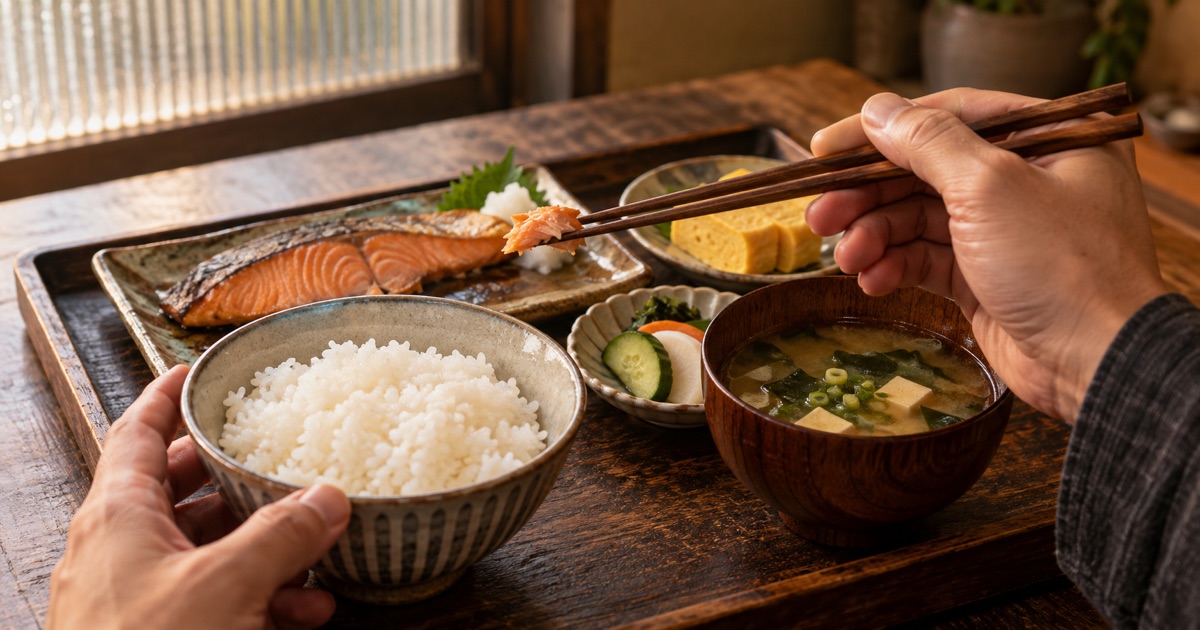
Near fishing ports and train rest stops along the coast, casual eateries serve mixed seafood rice bowls (kaisen-don, 海鮮丼). These bowls feature seasonal catches layered over a base of steamed rice, accompanied by a hot bowl of local seaweed miso soup and pickled vegetables.
Noodle Dishes
Ramen and udon in the area frequently feature regional ingredients in their broths and toppings. Kelp broth forms the base of local soups, and dried shredded kelp or seasoned wakame is commonly ladled over the top of wheat noodles. In some local applications, fine kelp powder is mixed directly into noodle dough, producing green-tinted noodles with a mild saline aroma.
We are working to carry Japanese craft and everyday culture beyond Japan, by building Japan Towns with local partners.
Read the Japan Town plan →Practical Tips for First-Time Visitors
Fudai is a small, quiet community rather than an urban center, so planning ahead makes dining and traveling significantly smoother.
Getting There
Fudai sits along the Sanriku Railway Rias Line (三陸鉄道リアス線).
- From Tokyo: Take the Tohoku Shinkansen bullet train north to Morioka Station (盛岡駅), which takes around 2 to 2.5 hours. From Morioka, take an express bus or local train east toward Miyako (宮古), then transfer to the Sanriku Railway heading north toward Fudai Station (普代駅). The total journey takes approximately 4.5 to 6 hours depending on connection times.
- Travel Passes: The nationwide Japan Rail Pass covers the Shinkansen and JR lines up to transfer hubs, but private regional operators like the Sanriku Railway may require separate fares or regional passes. Check rules via the Japan National Tourism Organization before your trip.
What to Bring
- Physical Cash (Yen): Small eateries, fish markets, and roadside stalls in Fudai rarely accept international credit cards, Apple Pay, or transit IC cards. Carry enough physical paper bills and coins.
- Translation Apps: English menus are rare in this rural district. Download an offline Japanese dictionary or camera-based translation application on your mobile device.
- Hand Wipes: Casual seafood dining can be messy, especially if you order whole shellfish or crab.
Ordering and Etiquette
- Entering a Diner: Step inside and wait to be acknowledged. If a ticket vending machine (shokkenki, 食券機) is at the door, purchase your meal ticket first before sitting down.
- Dealing with Slippery Seaweed: Dishes containing mekabu or shredded kelp are slippery. Do not stab your food with chopsticks; scoop items gently against the side of the bowl.
- Disposal: When finished at a counter-service shop, return your tray and empty bowls to the designated drop-off window (sagedokoro, 下げ膳所).
Dietary and Allergen Considerations
Travelers with dietary restrictions should remain cautious when eating in coastal Iwate:
- Seafood and Shellfish: Almost every savory dish in Fudai contains marine products. Even vegetable stews and noodle soups typically use a fish- or kelp-based dashi.
- Gluten and Soy: Soy sauce (shoyu), which contains wheat and fermented soybeans, is the primary seasoning used in simmered kelp (tsukudani) and marinades.
- Vegetarian and Vegan: While kelp itself is plant-based, commercial dashi broths often blend konbu with dried bonito fish flakes (katsuobushi). Clearly specify katsuo nashi (without bonito) when seeking strictly vegetarian meals.
Nutritional profiles of seaweed and marine proteins vary based on preservation and preparation methods. Consult official compositional data for specific dietary breakdowns.
FAQ
- Q. What is Fudai famous for producing?
- A. Fudai is renowned across Japan for its premium cultivated and harvested seaweed, specifically konbu (kelp) and wakame.
- Q. How do you eat Fudai konbu?
- A. It is primarily simmered to make savory dashi soup stock, cooked into seasoned tsukudani, or used in hot pots and noodle soups.
- Q. Are there common food allergens in coastal Fudai cuisine?
- A. Yes. Local dishes frequently contain shellfish, crustaceans like crab and shrimp, fish, and soy or wheat from soy sauce.
Cite or share this article
Copy the link below. If you quote this article, please link to this page as the source.