Shirakawa Food Guide: Iconic Ramen and Regional Flavors
Key takeaways
- Shirakawa ramen is defined by hand-kneaded, crinkly noodles served in a clean, soy sauce broth brewed with local pork and chicken.
- Beyond ramen, the historic castle town in Fukushima offers distinct buckwheat soba, seasonal agricultural produce, and wagashi sweets.
- Most dining spots operate with ticket vending machines or Japanese-only menus; cash is essential when dining outside major hubs.
Shirakawa food is best known for Shirakawa ramen (白河ラーメン), a soul-warming noodle soup featuring bouncy, hand-kneaded noodles swimming in a clear, soy-sauce-based chicken and pork broth. Beyond its celebrated ramen culture, this southern Fukushima castle town boasts exceptional buckwheat noodles, seasonal agricultural delicacies, and traditional confections rooted in centuries of travel along the historic Ou Highway (奥州街道).
For visitors arriving via the Tohoku Shinkansen, exploring Shirakawa's culinary scene is a practical and delicious journey into northern Japan's rich food traditions. This guide introduces the core dishes that define Shirakawa, how they are made, how to order them, and what to keep in mind regarding dining etiquette and dietary restrictions.
The Benchmark of Shirakawa Food: Shirakawa Ramen
When people discuss Shirakawa food, ramen almost always tops the list. Alongside Kitakata ramen in the north of the prefecture, Shirakawa ramen stands as one of Fukushima's two great noodle traditions.
The Anatomy of a Bowl
A standard bowl of Shirakawa ramen consists of several distinct elements:
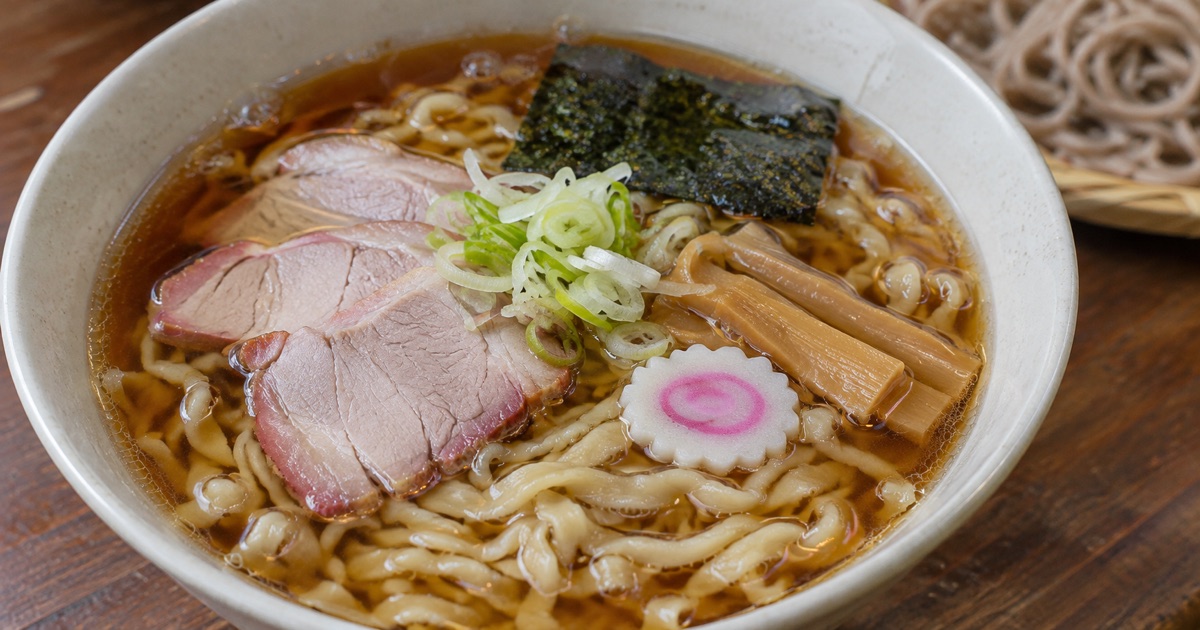
- The Noodles (Temomi-men, 手揉み麺): Unlike standard mass-produced ramen noodles, authentic Shirakawa noodles are made with high water content and hand-kneaded. They are traditionally rolled, cut, and vigorously squeezed by hand to create an irregular, wavy (chijire) texture. This wavy surface clings efficiently to the soup.
- The Broth (Soup, スープ): The soup base relies predominantly on local chicken bones (torigara) and pork bones (tonkotsu), simmered gently alongside aromatic vegetables to yield an amber, transparent broth. It is seasoned with a robust, rich soy sauce tare (sauce base).
- The Char Siu (Chashu, チャーシュー): Rather than melt-in-your-mouth braised pork belly, traditional Shirakawa char siu uses pork shoulder or loin. It is often charcoal-roasted or smoked over wood chips, giving the outer edge a reddish-pink hue and a distinct, savory smokiness.
- Classic Toppings: Bowls typically come garnished with menma (seasoned bamboo shoots), finely sliced scallions, a sheet of nori (dried seaweed), a slice of narutomaki (fish cake with a pink swirl), and tender boiled spinach or komatsuna (mustard spinach).
Popular Variations
While the classic chashu-men (ramen topped with an abundance of smoked pork slices) is standard, variations exist across local kitchens:
- Wonton-men (ワンタン麺): Delicate, thin wonton wrappers filled with a small amount of seasoned pork. The smooth, slippery wrappers complement the chewy noodles.
- Shio and Miso Ramen: A few specialty shops prepare salt or fermented soybean paste versions, though traditional soy sauce remains the local standard.
Soba: Shirakawa’s Historic Samurai Fare
While ramen claims modern fame, buckwheat noodles (soba, 蕎麦) carry Shirakawa's oldest culinary history. During the Edo period, local feudal lord Matsudaira Sadanobu actively promoted buckwheat cultivation as a resilient crop against famine, establishing Shirakawa as an early center of soba craftsmanship.
Soba Styles to Look For
- Wariju Soba (割子そば): Soba served chilled across multiple small, stacked round lacquer dishes, allowing diners to enjoy individual condiments—such as grated daikon radish, nori, wasabi, and scallions—on each tier.
- Zaru Soba (ざるそば): Chilled noodles served on a bamboo mat, accompanied by a dipping sauce (tsuyu) infused with dashi and soy sauce.
- Kamo Nanban (鴨南蛮): Hot soba in a rich broth topped with tender slices of duck meat and braised leeks.
At the end of a chilled soba meal, staff often bring a small pot containing sobayu (蕎麦湯)—the cloudy, hot water used to boil the noodles. Pour this directly into your leftover dipping cup to dilute the sauce into a comforting, savory drinking broth.
We are working to carry Japanese craft and everyday culture beyond Japan, by building Japan Towns with local partners.
Read the Japan Town plan →Regional Specialties and Agricultural Produce
Thanks to the pristine meltwater from the surrounding Nasu and Abukuma mountains and fertile plains, Shirakawa produces high-grade agricultural ingredients recognized throughout the Tohoku region.
Fukushima Rice and Sake
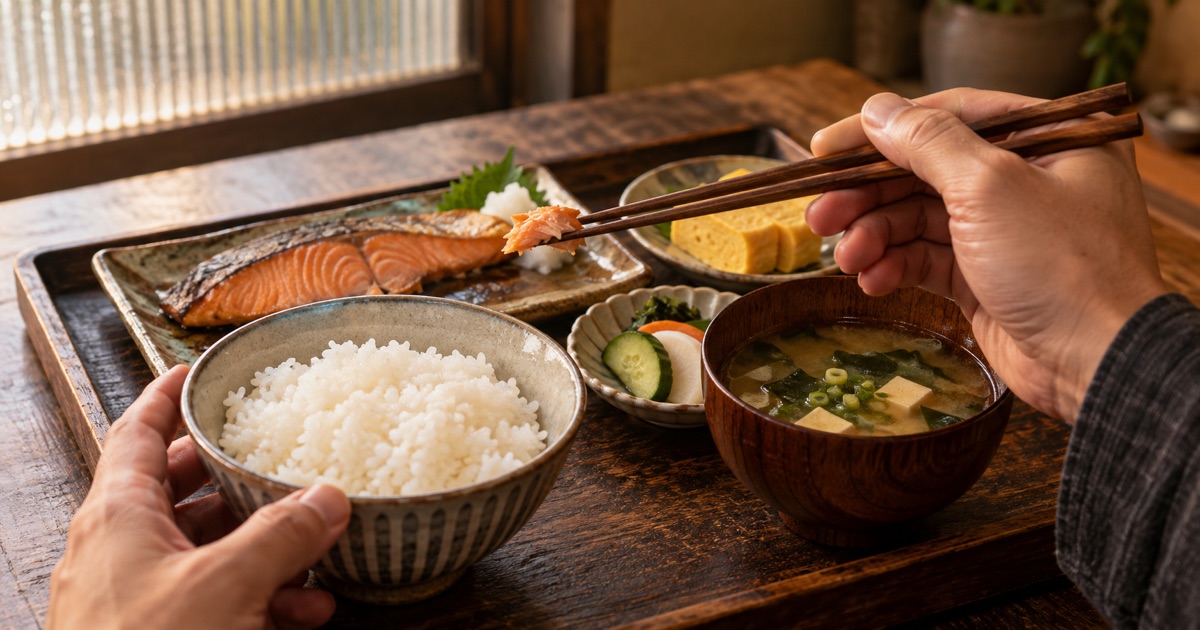
The Shirakawa basin serves as an agricultural gateway to the north. Steamed Koshihikari and Hitomebore rice varieties form the foundation of local home cooking and set meals (teishoku). This rice and clean groundwater also power regional sake breweries (sakagura), which produce dry, crisp sake designed to cut through rich meat dishes. For general background on Japan's farming and rice standards, refer to the Ministry of Agriculture, Forestry and Fisheries.
Shirakawa Daruma Confections
Shirakawa is famous for producing Shirakawa Daruma, traditional papier-mâché good-luck talismans. This folk art has inspired local wagashi (traditional confectionery) makers:
- Daruma Monaka (だるま最中): Crisp wafer shells pressed into the shape of a Daruma doll, filled with sweet red bean paste (anko).
- Shirakawa Manju: Steamed wheat-flour buns stuffed with smooth red bean paste, often purchased near major transport stops as souvenirs (omiyage).
How to Order and Eat in Shirakawa
Navigating small-town dining establishments requires an understanding of Japanese casual dining customs, especially outside major metropolitan centers.
Step-by-Step: Dining at a Noodle Shop
- Entering and Waiting: Peak dining hours for ramen run from roughly 11:30 to 14:00. Local shops often close as soon as their freshly made noodles or soup run out for the day. If there is a waiting list at the door, write your surname in katakana or English letters, along with the head count.
- Purchasing Tickets: Many shops employ a ticket vending machine (shokkenki, 食券機) near the doorway. Insert cash first (1,000-yen notes and coins are standard), press the button for your desired dish, and take the printed paper ticket and change. Hand the ticket to the server when seated.
- Seating Types: You may be directed to a standard counter (kauntaa), western table (teeburu), or a raised tatami floor (zashiki). If seated on tatami, remove your footwear before stepping onto the straw mats.
- Water and Tea: Table service for water is commonly self-serve (o-hiya). Look for water pitchers or a dispenser station with plastic tumblers.
- Finishing the Meal: Return your tray or empty bowl to the counter ledge if seated at an open kitchen counter, or leave your empty dishes on your table. Say "gochisosama deshita" (thank you for the meal) to the staff as you exit.
What to Bring and Common Mistakes
- Bring Cash: While credit cards and electronic money (like transit IC cards) are common in large railway terminals, many independent ramen and soba shops in Shirakawa operate exclusively on cash. Keep 1,000-yen bills and coins handy.
- Timing Your Visit: Unlike Tokyo ramen joints that stay open late into the night, authentic Shirakawa ramen venues are predominantly lunch-focused businesses. Attempting to get authentic local ramen past mid-afternoon often leads to finding closed doors.
Allergens and Dietary Considerations
Understanding what ingredients go into local dishes helps travelers with specific requirements navigate menus safely:
- Wheat and Gluten: Present in all ramen noodles, wonton wrappers, soy sauce seasoning, and manju dough. Even soba noodles in the region frequently contain a binding agent of wheat flour (ni-hachi soba, or an 80/20 buckwheat-to-wheat ratio).
- Buckwheat: Local soba houses handle high volumes of pure buckwheat flour. Due to severe airborne cross-contamination risks, individuals with severe buckwheat allergies should avoid dining at soba-specific restaurants.
- Pork and Chicken: The foundation of Shirakawa ramen broth. Diners who avoid pork or poultry for religious or dietary reasons should note that vegetarian broths are extremely rare at traditional ramen venues in this district.
- Soy and Fish: Soy sauce (shoyu) is ubiquitous. Fish flakes (katsuobushi) and dried sardines (niboshi) are frequently added to soba dipping sauces and some ramen tare bases.
For detailed nutritional profiles of standard ramen, soba, and staple ingredients, travelers can consult the MEXT Food Composition Database.
Accessing Shirakawa’s Food Hubs
Shirakawa is easily accessible from Tokyo via the JR Tohoku Shinkansen. Travelers alight at Shin-Shirakawa Station (新白河駅), a journey taking roughly 75 to 90 minutes.
From Shin-Shirakawa, the local JR Tohoku Main Line connects to Shirakawa Station (白河駅) in around three minutes. While shops are scattered within walking distance of both stations, many famous roadside ramen shops sit along the suburban arteries of the city, requiring a brief taxi ride or local bus trip. Plan transit buffers carefully, check train connections, and confirm local restaurant operating days beforehand, as midweek closures are common.
FAQ
- Q. What makes Shirakawa ramen different from other regional ramen styles?
- A. Shirakawa ramen features wavy, wide noodles hand-kneaded with high water content, paired with a smoky pork-and-chicken shoyu broth.
- Q. Are there common food allergens in Shirakawa regional cuisine?
- A. Yes. Shirakawa dishes frequently contain wheat, soy, pork, and egg, while local noodle shops often process buckwheat on shared equipment.
- Q. How do you order food at local restaurants in Shirakawa without speaking Japanese?
- A. Many noodle shops use ticket vending machines near the entrance; matching photo menus or using translation apps works best.
Cite or share this article
Copy the link below. If you quote this article, please link to this page as the source.