Kamakura Food Guide: What to Eat and Regional Specialties
Key takeaways
- Kamakura's signature food is shirasu (whitebait), served raw or boiled over rice bowls alongside seasonal local produce.
- Walking while eating is restricted on busy pedestrian streets; enjoy snacks in designated store areas or eat-in spaces.
- Travel takes under an hour from central Tokyo on direct train lines, making it an easy day trip for regional cuisine.
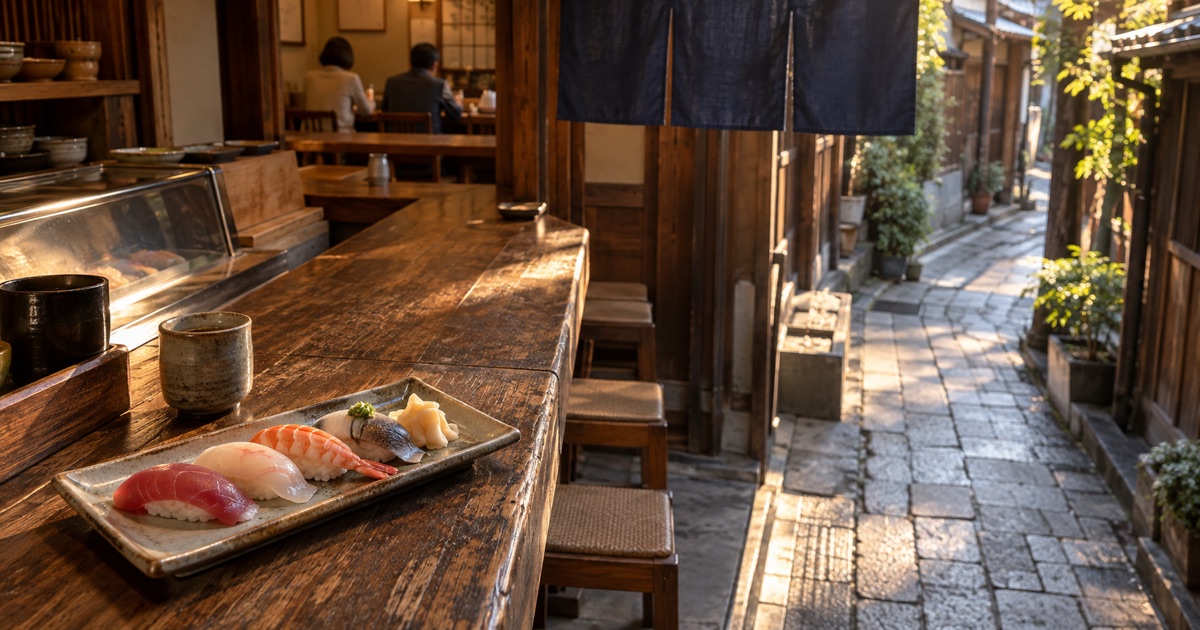
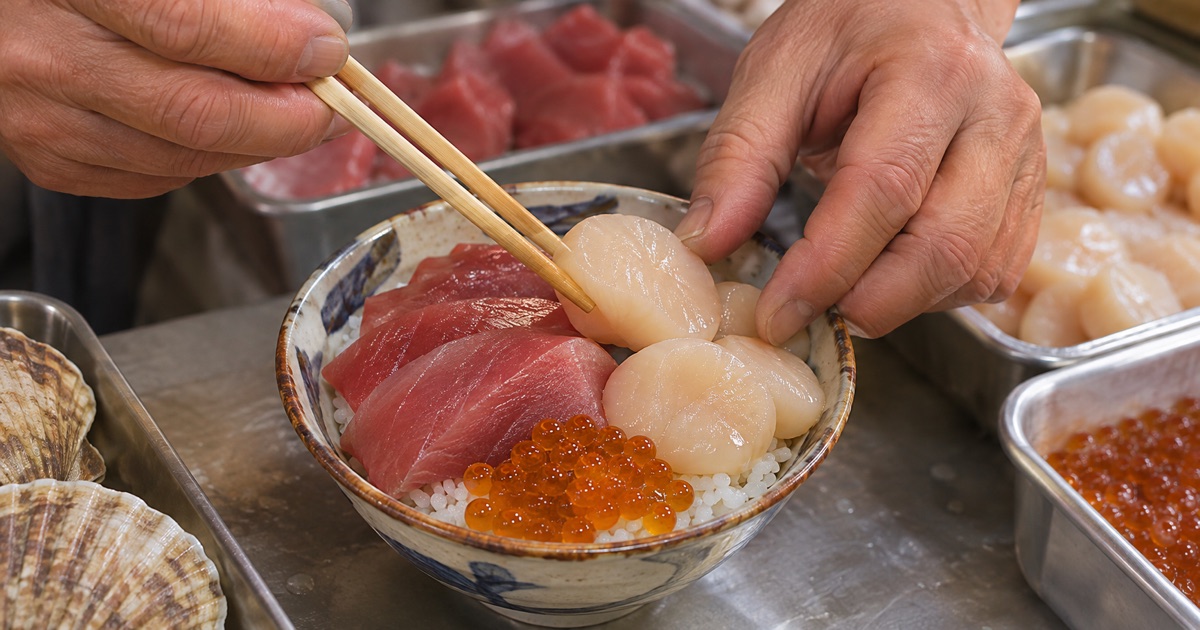
Kamakura food is defined by fresh coastal seafood, colorful heritage vegetables, and historic temple-inspired culinary traditions. Located less than an hour south of central Tokyo in Kanagawa Prefecture, this coastal enclave offers regional specialties ranging from tender shirasu (whitebait) rice bowls to Buddhist vegetarian set meals and roasted tea sweets.
For international travelers planning a day trip, exploring the local dining culture requires understanding a few key regional ingredients, ordering practices, and unique street-eating etiquette.
Quick Guide: Essential Kamakura Specialties
Before exploring each dish in detail, here is an overview of the core local foods to seek out during a visit:
- Shirasu (Whitebait): Tiny, delicate juvenile sardines and anchovies, served raw when freshly caught or lightly boiled in salted water over rice bowls.
- Kamakura Yasai (Kamakura Vegetables): Locally grown heritage vegetables prized for intense color, crisp texture, and natural sweetness.
- Shojin Ryori (Buddhist Vegetarian Cuisine): Traditional plant-based temple fare made without meat, fish, garlic, or onions, deeply rooted in Kamakura's Zen history.
- Kenchinjiru (Root Vegetable Soup): A nourishing, soy-sauce-seasoned broth loaded with root vegetables and crushed tofu, said to originate in Kamakura's Kencho-ji temple.
- Hato Sable & Local Confectionery: Historic biscuit sables shaped like doves, alongside matcha sweets, roasted sweet potatoes, and soft-serve ice cream.
To learn more about general travel guidelines across Kanagawa and nearby regions, consult the Japan National Tourism Organization.
Shirasu: The Signature Coastal Delicacy
The single food most synonymous with Kamakura and the surrounding Shonan (湘南) coast is shirasu (シラス). These are tiny, translucent whitebait—primarily the fry of sardines (iwashi)—harvested from the nutrient-rich waters of Sagami Bay.
How Shirasu Is Served
You will encounter shirasu served in several ways across the city:
- Kama-age Shirasu (Boiled Whitebait): The most common style. Whitebait is quickly simmered in boiling salted water immediately after being brought to port. It has a fluffy, soft texture and a mild, oceanic savoriness.
- Nama Shirasu (Raw Whitebait): Served completely raw, translucent, and glossy. It offers a slightly firm bite with a clean, slightly sweet, marine finish. Raw shirasu is served with freshly grated ginger and a splash of soy sauce.
- Half-and-Half Bowls (Nishoku-don): Many eateries serve bowls (donburi) featuring a bed of hot rice divided between boiled shirasu on one side and raw shirasu on the other, allowing you to compare both textures.
- Shirasu Senbei & Tempura: Dried into large, crispy rice crackers or fried into light, lacy fritters called kakiage.
Important Ordering & Seasonal Notes
- The Fishing Season: Official offshore fishing for shirasu generally operates from late March through December. A government-mandated conservation ban halts fishing between January and mid-March, meaning raw shirasu is not available fresh during those winter months.
- Weather Dependent: Raw shirasu depends entirely on that morning's sea conditions. If high waves prevent boats from going out, restaurants display signs stating "No Raw Shirasu Today" (生シラス入荷なし, nama-shirasu nyuka nashi). Boiled shirasu remains readily available year-round.
- Allergens: Because whitebait consists of whole tiny fish, it contains marine proteins and may occasionally contain microscopic trace crustacean particles (such as tiny shrimp or crab fry) caught during harvesting.
We are working to carry Japanese craft and everyday culture beyond Japan, by building Japan Towns with local partners.
Read the Japan Town plan →Kamakura Yasai: Prized Heritage Vegetables
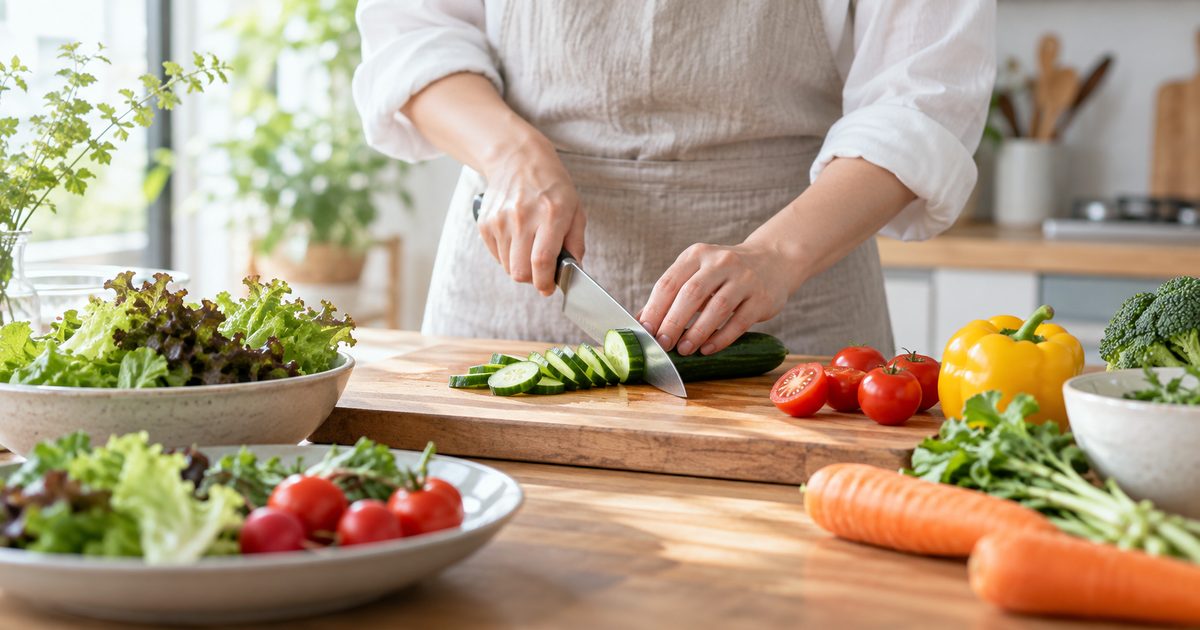
Alongside seafood, Kamakura is renowned throughout the Kanto region for Kamakura yasai (鎌倉野菜). Local farmers cultivate these crops in coastal soil rich in minerals, producing vegetables known for striking visual variety and concentrated flavor.
Characteristics and Dishes
Unlike mass-produced supermarket produce, Kamakura vegetables frequently include heirloom varieties:
- Deep purple and yellow carrots
- Round radishes and heirloom turnips
- Bright romanesco broccoli and tender leafy greens
- Sweet seasonal squash and Japanese eggplants
Restaurants throughout the city showcase these vegetables with minimal seasoning to highlight their natural qualities. Popular presentations include cold vegetable dipping plates served with warm bagna cauda or miso dips, seasonal tempura platters, and colorful side dishes accompanying local meat or seafood set menus (teishoku).
For nutritional breakdowns of raw Japanese agricultural produce, refer to the MEXT Food Composition Database.
Zen Roots: Shojin Ryori and Kenchinjiru
Kamakura served as the political center of Japan during the Kamakura shogunate (1185–1333), fostering a profound Zen Buddhist culture. This heritage directly shaped local vegetarian cuisine.
Kenchinjiru (Root Vegetable Soup)
Kenchinjiru (けんちん汁) is a hearty clear soup featuring a rich dashi stock made strictly from dried kombu kelp and shiitake mushrooms, without bonito fish flakes. Chunks of daikon radish, burdock root (gobo), carrots, taro potatoes (satoimo), and konjac jelly are stir-fried in fragrant sesame oil before simmering. Hand-crumbled firm tofu is folded in, and the soup is seasoned with soy sauce or light salt.
It is an ideal warming meal, traditionally eaten with rice or packed into wheat-flour udon bowls.
Traditional Shojin Ryori
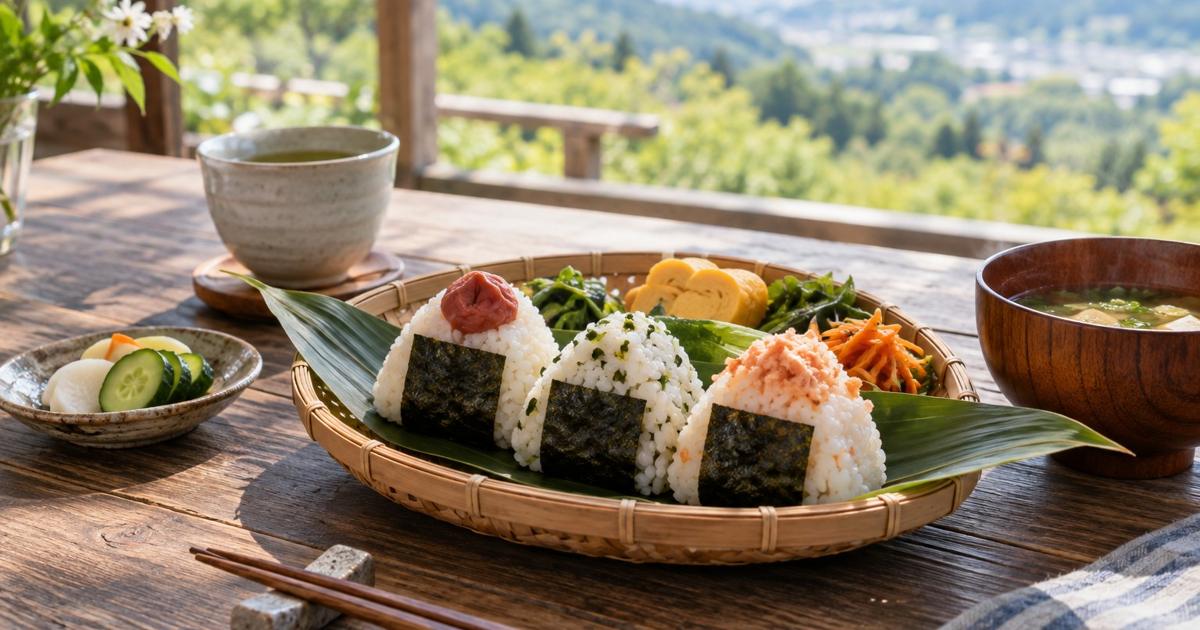
For those seeking an authentic plant-based dining experience, several historic temple venues and specialized restaurants serve multi-course shojin ryori (精進料理). These meals use seasonal vegetables, mountain herbs, seaweeds, and soy products (tofu, yuba, and natto) to achieve deep umami without alliums (garlic, scallions, onions) or animal products.
Because seats for formal temple dining are strictly limited, advance bookings are typically required.
Sweets, Snacks, and Street-Food Etiquette
The pedestrian street leading from Kamakura Station toward Tsurugaoka Hachimangu shrine—known as Komachi-dori (小町通り)—is packed with vendors selling sweets, snacks, and finger foods.
Popular Treats to Look For
- Dove-Shaped Sables (Hato Sable): A buttery, golden biscuit created in Kamakura over a century ago. Packed in distinctive bright-yellow tins, it remains the city's most iconic souvenir food.
- Matcha and Hojicha Soft-Serve: Cones infused with deeply roasted green tea (hojicha) or varying intensity levels of ceremonial-grade matcha green tea.
- Daifuku and Dango: Soft mochi rice cakes skewers coated in sweet soy glaze (mitarashi) or filled with seasonal fruit and sweet adzuki bean paste (anko).
- Sweet Potato Delicacies: Roasted purple-sweet-potato pastries, soft cakes, and candied sweet potato sticks (daigaku imo).
The "Eat While Walking" Etiquette Rule
A crucial rule applies when visiting Kamakura's snack corridors: do not walk while eating (aruki-gui).
Kamakura City introduced an official ordinance requesting that visitors refrain from walking while consuming food or beverages. This policy prevents discarded trash, protects passersby from grease or food stains in narrow, crowded streets, and deters swooping black kites (tobi), large predatory birds native to the coast that regularly snatch food straight from pedestrians' hands.
When buying street food:
- Step to the side of the shop front, or use the vendor's dedicated standing or seating benches.
- Finish your food completely at that spot.
- Return your wooden skewers, cups, and paper wrappers to the shop's trash receptacle before moving on. Public trash cans on the street are exceedingly rare.
How to Plan Your Food Day Trip: Practical Tips
Getting There
- From Tokyo Station: Board the JR Yokosuka Line directly to Kamakura Station (approximately 55 minutes).
- From Shinjuku Station: Board the JR Shonan-Shinjuku Line directly to Kamakura Station (approximately 60 minutes).
- Transit Passes: Pre-paid IC transport cards (such as Suica or Pasmo) cover the entire rail journey.
Timing and Cash
- Lunch Rush: Most shirasu specialty eateries experience peak queues between 11:30 AM and 1:30 PM. Arriving right at opening time (typically around 11:00 AM) or after 1:45 PM reduces wait times.
- Early Closures: Kamakura is primarily a day-trip destination. Many independent cafes, traditional sweets shops, and shirasu restaurants close in the late afternoon (between 4:30 PM and 6:00 PM) once daily supplies run out. Check official vendor websites or social media channels for current operating days before setting out.
- Payment: While modern cafes accept major credit cards and IC cards, small stalls, neighborhood bakeries, and traditional tea houses often remain cash-only. Keep small denominations (¥1,000 notes and 100-yen coins) on hand.
FAQ
- Q. What is the most famous food to eat in Kamakura?
- A. Shirasu (whitebait) is the most famous regional specialty, commonly served boiled (kama-age) or raw (nama) over bowls of warm rice.
- Q. Can you walk and eat street snacks in Kamakura?
- A. Kamakura City requests visitors not to walk while eating to prevent litter and spills; eat your purchases in front of the shop or inside designated dining areas.
- Q. How do I get to Kamakura from central Tokyo for a food day trip?
- A. Take the JR Yokosuka Line or the JR Shonan-Shinjuku Line directly from Tokyo or Shinjuku Station to Kamakura Station in roughly 55 to 60 minutes.
Cite or share this article
Copy the link below. If you quote this article, please link to this page as the source.