Yokohama Food: A First-Timer's Guide to What to Eat and Where
Key takeaways
- Yokohama's signature food scene centers on Japan's largest Chinatown, plus rich tonkotsu-shoyu ramen and harbor-area sweets.
- Yokohama Chinatown (横浜中華街) is a roughly 5-10 minute walk from Minatomirai or Motomachi-Chukagai Station.
- Most Chinatown eateries and street stalls accept cash, but card and IC card acceptance varies, so carry some yen.
What Food Is Yokohama Known For?
Yokohama is best known for its enormous Chinatown district, home to hundreds of restaurants and street stalls serving regional Chinese food adapted over generations for Japanese tastes. The city is also the birthplace of "Iekei" ramen (家系ラーメン), a rich, salty tonkotsu-shoyu style that has spread across Japan, and it has a long history as a port town that introduced Western-style bread, ice cream, and confectionery to Japan in the late 1800s.
For a first-time visitor without Japanese reading skills, Yokohama is one of the easier food destinations in the country: many Chinatown shops have English, Chinese, and picture menus, and the area is compact enough to explore on foot in half a day.
Yokohama Chinatown: Japan's Largest Chinatown
Yokohama Chinatown (横浜中華街) is the heart of the city's food identity. It developed from a community of Chinese traders who settled near the port after it opened to foreign trade in the 1850s, and today it is a dense grid of restaurants, grocery stores, and street-food counters spread across several city blocks marked by ornate gates.
What to expect and eat:
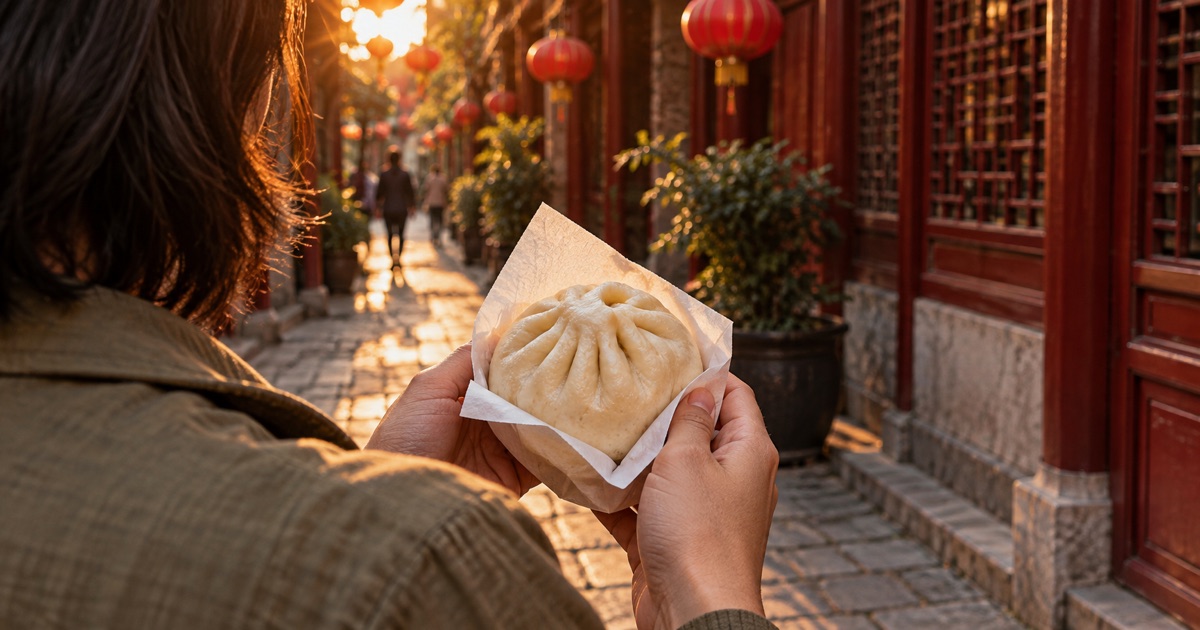
- Steamed pork buns (nikuman / 肉まん) sold hot from bamboo steamers at street-facing counters
- Xiaolongbao-style soup dumplings, often labeled "shoronpo" (小籠包) on menus
- Walk-up skewers, fried buns, and sesame balls for casual snacking between meals
- Sit-down restaurants offering Cantonese, Shanghai, Sichuan, or Beijing-style set courses
- Fortune-telling shops and tea houses mixed in among the food stalls, part of the district's character
A common mistake is trying to see everything on a full stomach: pace yourself, share small snacks while walking, and save a sit-down meal for one proper restaurant rather than filling up on stall food alone. Expect queues at popular stalls, especially on weekends and holidays; mornings and early afternoons on weekdays tend to be calmer.
Getting there: Yokohama Chinatown is roughly a 5 to 10 minute walk from Minatomirai Station or Motomachi-Chukagai Station, both reachable from central Tokyo in around 30 to 45 minutes depending on your starting point and train line. Times and routes can change, so check an official transit app or operator website before your trip.
Yokohama-Style Ramen (Iekei)
Iekei ramen (家系ラーメン) originated in Yokohama in the 1970s and remains one of the city's defining dishes. The broth combines pork bone (tonkotsu) richness with a soy-sauce (shoyu) base, served with thick, straight noodles.
Typical bowls include:
- A soft-boiled or marinated egg (ajitama)
- A sheet or two of dried nori seaweed propped against the bowl's edge
- A pile of boiled spinach for texture and color
- Optional chashu (braised pork slices) as a topping
Many Iekei-style shops let you customize noodle firmness, broth richness, and oil content when ordering, often via a ticket machine at the entrance. If you can't read the buttons, look for a picture menu or ask staff to point out the standard option, usually the safest choice for first-timers. Note that the broth is typically quite salty and rich, so those monitoring sodium intake may want to ask about lighter options if available.
Port-Town Sweets and Western-Influenced Treats
Because Yokohama was one of the first Japanese ports opened to foreign trade, it played an early role in introducing Western baked goods and desserts to Japan. Bakeries and confectioners in the city have long histories of blending European techniques with Japanese ingredients, and the area around Yokohama's harbor is a good place to find:
- Cafes serving Western-style cakes and baked sweets alongside coffee
- Ice cream and soft-serve shops, some offering regional or seasonal flavors
- Kasutera-style sponge cakes, a treat with Portuguese-influenced origins that spread through Japanese port cities
Sembei, Senbei, and Other Local Snacks
Like many coastal Japanese cities, Yokohama's harbor area has shops selling senbei (rice crackers), often flavored with soy sauce, seaweed, or seafood. These make easy, shelf-stable souvenirs if you want to bring a taste of the trip home. Always check ingredient labels if you have allergies, since many senbei contain wheat, soy, or shellfish-derived seasonings.
How to Plan a Yokohama Food Visit
Getting There From Tokyo
Yokohama is a short train ride from central Tokyo, with several railway lines connecting the two cities. Exact travel times depend on which station you depart from and which line you take, generally somewhere in the 30 to 45 minute range, but schedules and routes can change, so confirm current times on the relevant railway operator's website or a transit app before you go. If you plan to explore widely across the Kanto region, it's worth checking whether a regional rail pass fits your itinerary; details and eligibility are listed on operators' official pages.
A Simple Half-Day Food Itinerary
- Arrive at Minatomirai or Motomachi-Chukagai Station in the late morning to avoid the heaviest lunch crowds.
- Walk through Chinatown's main gates and sample two or three street-food items before lunch.
- Choose one sit-down restaurant for a proper meal, ideally one offering a lunch set menu, which tends to be better value than ordering à la carte.
- Spend the afternoon walking toward the harbor area for coffee, dessert, or a walk along the waterfront.
- If you still have room, try a bowl of Iekei ramen for dinner before heading back to Tokyo.
What to Bring and Common Mistakes to Avoid
- Cash: Many smaller stalls and older shops in Chinatown are cash-only or have limited card acceptance; carry enough yen for a day of snacking.
- Comfortable shoes: Chinatown's streets are crowded and best explored slowly on foot.
- Patience for queues: Popular stalls can have long lines, especially midday on weekends.
- Don't skip breakfast expecting to "save room": Chinatown's smells and sights are hard to resist, and pacing yourself works better than deprivation.
- Check allergens: Dumplings, buns, and sauces often contain wheat, soy, egg, shellfish, or sesame; ask staff or check packaging if you have dietary restrictions.
For broader trip planning, including transit passes and seasonal event information, the Japan National Tourism Organization is a reliable official resource to check before and during your visit, since hours, fares, and festival dates are subject to change.
Final Tips
Yokohama rewards visitors who treat it as a grazing destination rather than a single big-meal city. Its Chinatown alone could fill an entire day of eating, while its ramen and port-town sweets offer a different, equally worthwhile side of its food culture. Prices, shop hours, and queue times vary by season and day of the week, so building some flexibility into your schedule will make the visit smoother.
FAQ
- Q. What is Yokohama most famous for food-wise?
- A. Yokohama is best known for its Chinatown (横浜中華街), the largest in Japan, offering regional Chinese cuisine alongside steamed buns and dumplings sold as street snacks.
- Q. Is Yokohama ramen different from regular ramen?
- A. Yokohama is associated with "Iekei" ramen (家系ラーメン), a style with a thick tonkotsu-shoyu (pork bone and soy sauce) broth, straight noodles, and toppings like spinach and nori.
- Q. How do I get to Yokohama Chinatown from Tokyo?
- A. Trains from central Tokyo stations typically take around 30-45 minutes depending on the line; check current routes and times on operators' official websites before traveling.
Cite or share this article
Copy the link below. If you quote this article, please link to this page as the source.