Minato Food Guide: Dishes and Dining in Tokyo's Harbor Hub
Key takeaways
- Minato food encompasses historic waterfront seafood, high-end Kaiseki, and diverse dining districts like Roppongi and Shinbashi.
- Expect meals ranging from budget noodles under 1,000 yen in salaryman alleys to premium multi-course menus above 15,000 yen.
- Most train stations like Shinbashi and Roppongi offer English ticket machines and easy access to major dining areas.
Minato food refers to the diverse culinary traditions and dining styles found across Minato City (港区, Minato-ku), one of central Tokyo's most vibrant coastal hubs. From time-honored Edo-style seafood and quick buckwheat noodles along the old bayfront to international dining and refined multi-course banquets, the district offers an accessible snapshot of modern Japanese cuisine.
Whether you are exploring the bustling business corridors of Shinbashi (新橋), the cosmopolitan streets of Roppongi (六本木), or the breezy seaside zones of Odaiba (お台場), navigating local meals is simple once you know what to expect.
What Defines Food in Minato?
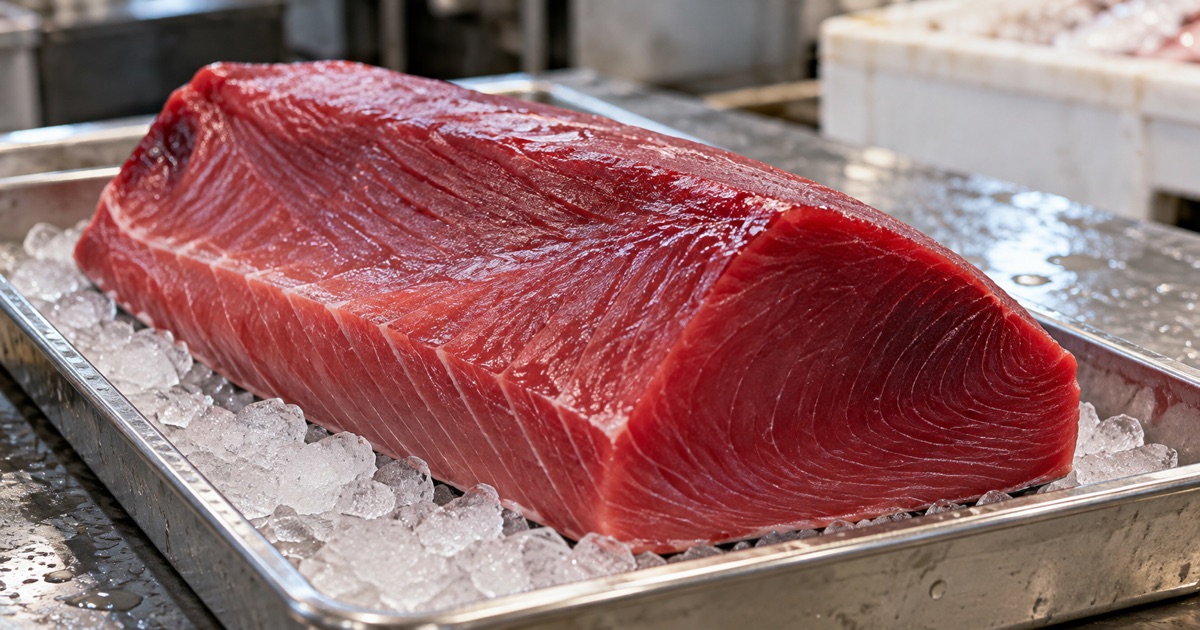
The name "Minato" literally translates to "harbor" or "port." Historically positioned along Tokyo Bay, the region has long played a vital role in receiving fresh produce, seasonal fish, and dried pantry goods from across Japan. This geographic legacy shaped a food culture that balances coastal maritime roots with dynamic, urban dining.
In traditional eras, the waterfront areas provided easy access to clams, prawns, and small coastal fish known collectively as Edomae (江戸前), meaning "in front of Edo" (historic Tokyo). Over the decades, modern development transformed these fishing settlements into thriving commercial districts.
Today, dining in the ward spans several broad styles:
- Edomae Tempura and Seafood: Battered seafood and vegetables fried in fragrant sesame oil blends, creating a deep golden, savory crunch.
- Office Quarter Casuals: Quick meals designed for busy commuters, including charcoal-grilled chicken skewers (yakitori / 焼き鳥), dipping noodles (tsukemen / つけ麺), and hearty pork cutlet bowls (katsudon / カツ丼).
- Refined Multi-Course Dining: Elaborate seasonal meals (kaiseki ryori / 会席料理) and multi-course sushi counters (omakase / お任せ) highlighting regional produce from across the country.
- Global and Modern Fusion: French-inspired pastry shops, Italian trattorias, and contemporary bakeries nestled in residential enclaves such as Azabu-Juban (麻布十番) and Shirokane (白金).
Iconic Dishes to Seek Out
Travellers exploring this part of Tokyo will encounter both traditional staples and casual everyday fare. Here are the core dishes to include on your dining checklist:
Traditional Tempura (天ぷら)
Unlike light, pale tempura styles common in western Japan, Tokyo-style tempura often utilizes a sesame-heavy oil blend. The heat yields a dark golden coating with a rich, nutty aroma. Common ingredients include:
- Tiger prawns (kuruma ebi)
- Conger eel (anago)
- Japanese whiting (kisu)
- Seasonal vegetables like lotus root (renkon) and sweet potato (satsumaimo)
Tempura is typically served with a dipping sauce made from soy sauce, mirin, and fish stock (tentsuyu), accompanied by grated daikon radish, or sprinkled with fine sea salt.
Yakitori and Skewered Fare (焼き鳥)
Found in abundant density around transit junctions such as Shinbashi Station, yakitori consists of bite-sized pieces of chicken skewered on bamboo sticks and grilled over hot coals. When ordering, you will generally be asked to choose between two seasonings:
- Tare (タレ): A sweet-savory glaze made from simmered soy sauce, sake, and mirin.
- Shio (塩): Simple sea salt, which highlights the natural flavor of the meat and crispy skin.
Popular cuts include thigh (momo), breast with scallions (negima), minced chicken patties (tsukune), and crispy skin (kawa).
Soba and Udon (そば / うどん)
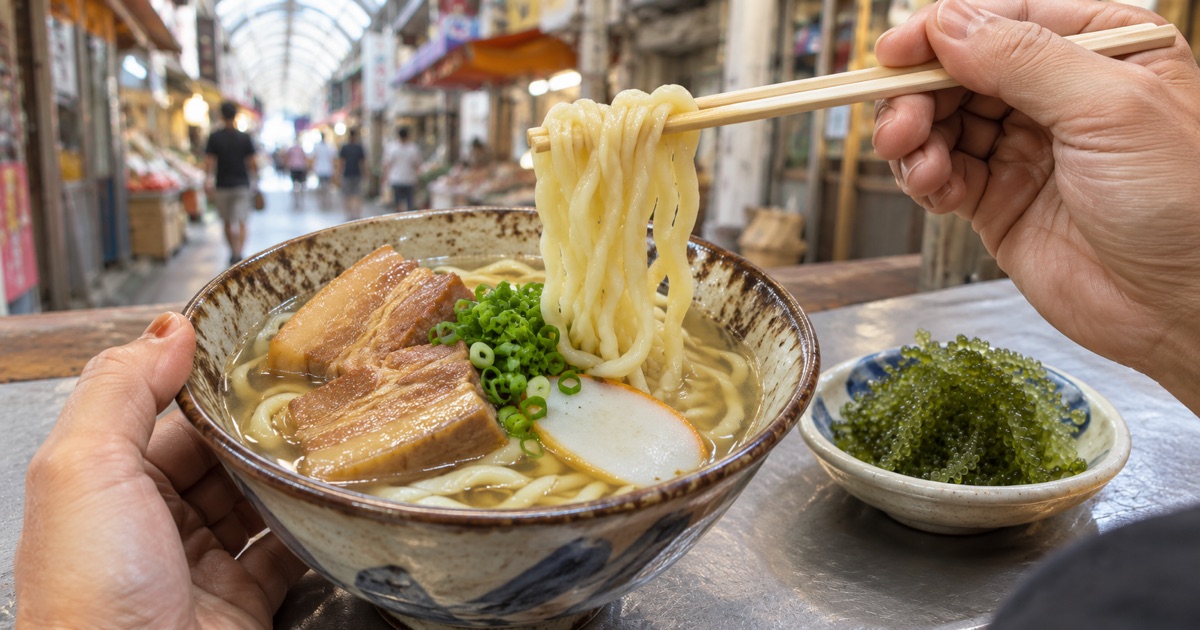
Noodle bars line nearly every shopping street. Tokyo-style noodle broths rely on a dark, assertive soup base brewed from dark soy sauce (koikuchi shoyu), dried bonito flakes (katsuobushi), and kelp (kombu).
- Zaru Soba: Cold buckwheat noodles served on a bamboo mat with chilled dipping sauce, wasabi, and scallions.
- Kake Udon: Thick wheat noodles served in a piping hot broth, frequently topped with tempura crumbs (tenkasu) or sweet simmered tofu skin (kitsune).
Taiyaki and Street Sweets (たい焼き)
In older pedestrian districts such as Azabu-Juban, you will spot traditional griddles pressing fish-shaped waffle cakes called taiyaki. These crisp exterior cakes are traditionally filled with sweet red azuki bean paste (anko), though modern stalls also fill them with custard cream, chocolate, or sweet potato puree.
We are working to carry Japanese craft and everyday culture beyond Japan, by building Japan Towns with local partners.
Read the Japan Town plan →How to Navigate Dining: Step-by-Step for First-Timers
Dining out in Japan is structured and welcoming, even if you speak no Japanese. Following a few practical steps will keep your meals stress-free.
1. Finding a Place and Checking Availability
Many popular spots display plastic food models (sampuru) or photo boards outside the entrance.
- Look for an entrance curtain (noren / 暖簾). If the curtain is hanging outside the door, the venue is open for business.
- Peak lunch hours run roughly between 11:45 and 13:30. During these times, queues form quickly as local office workers take lunch breaks. Arrive before 11:30 or after 13:30 to avoid the longest waits.
- Peak dinner hours generally begin around 18:30 to 20:30.
2. Ordering at Ticket Machines (Shokkenki)
In casual noodle, ramen, and beef bowl counters, you will frequently order via a vending machine near the door:
- Insert cash (1,000-yen notes and coins work best) or tap a rechargeable transit IC card (such as Suica or Pasmo).
- Press the button corresponding to your dish. Many machines feature an English button in the top corner or show small photos.
- Collect the printed paper ticket and your change.
- Hand the ticket to the counter staff when seated.
3. Table Etiquette and Tableware
- Wet Towels: Upon sitting, you will often receive a moist rolled cloth or packaged wipe (oshibori). Use this only to clean your hands before eating, not your face or table.
- Chopsticks: Do not stick chopsticks vertically into a bowl of rice, as this mirrors a traditional Buddhist funerary ritual. Place them across the ceramic chopstick rest (hashioki) or across the rim of your bowl when resting.
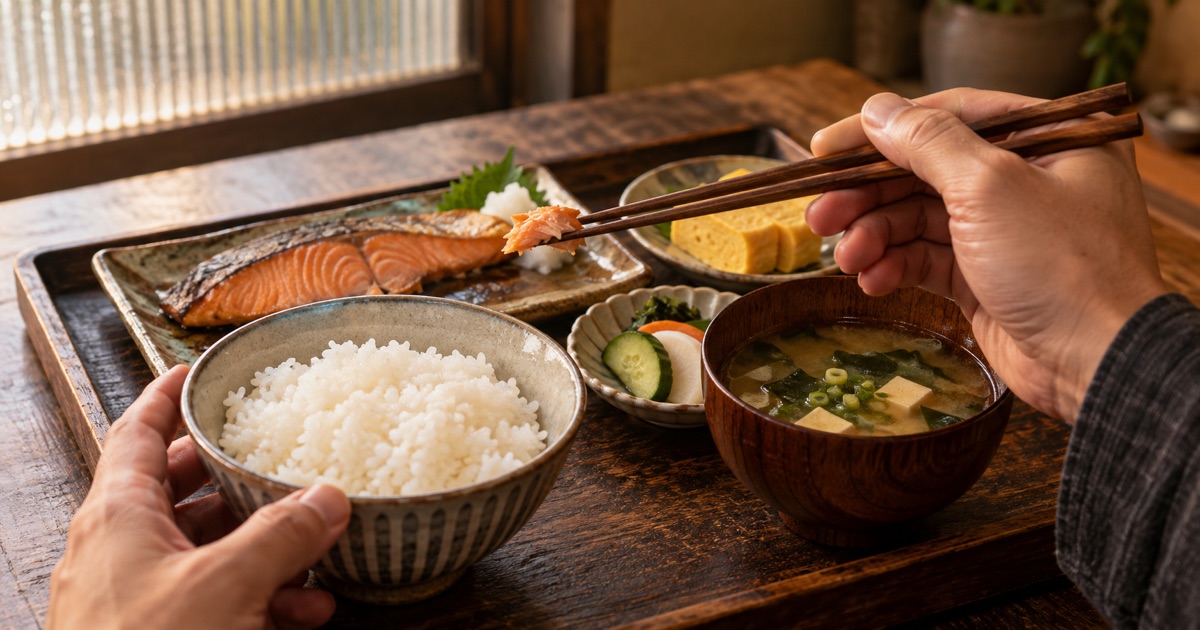
- Soup Bowls: It is entirely normal to pick up small bowls of miso soup or rice with your hands to bring them closer to your mouth. Slurping noodles is also customary; doing so draws air into the mouth, cooling the noodles and carrying the broth's aroma.
4. Paying the Bill
In sit-down restaurants, you do not pay the server directly at your table.
- Look for a small plastic clip or tray holding your bill slip (denpyo).
- Bring this slip up to the register near the entrance when you are ready to depart.
- Tipping is not customary in Japan. Providing exact payment or receiving exact change is standard practice. If you attempt to leave a cash tip on the table, staff will likely run after you to return it.
Getting Around the Food Districts
Minato is served by extensive subway and rail networks operated by JR East, Tokyo Metro, and the Toei Subway.
| Neighborhood | Primary Stations | Notable Train Lines | Typical Atmosphere |
|---|---|---|---|
| Shinbashi | Shinbashi (新橋) | JR Yamanote, Ginza Line, Asakusa Line | Casual alleys, yakitori, budget lunch counters |
| Roppongi | Roppongi (六本木) | Hibiya Line, Oedo Line | International dining, modern bistros, nightlife |
| Azabu-Juban | Azabu-Juban (麻布十番) | Namboku Line, Oedo Line | Historic bakeries, cozy soba shops, cafes |
| Shiodome & Coast | Shiodome (汐留), Hamamatsucho (浜松町) | JR Yamanote, Yurikamome, Oedo Line | Bay views, upscale hotel dining, craft beer bars |
Direct travel between major hubs like Shinbashi and Roppongi typically takes between 10 and 15 minutes by subway or taxi.
Practical Travel Tips and Common Mistakes
- Carry Some Physical Cash: While credit cards and transit IC cards are widely accepted across department stores and modern establishments, smaller family-run counters and ticket machines often remain cash-only. Keep small denominations (1,000-yen bills and 100-yen coins) handy.
- Dietary Considerations and Allergies: Japanese cuisine relies heavily on hidden seafood and soy derivatives. The universal soup base, dashi, almost always contains dried skipjack tuna (katsuobushi), meaning vegetarian dishes can be tricky to source in everyday shops. Wheat is also present in standard soy sauce. For official nutritional details on Japanese meal components, consult the MEXT Food Composition Database.
- Check Official Pages for Hours: Many traditional and independent eateries close between the lunch and dinner shifts (often between 14:30 and 17:30), and some take unscheduled rest days. Always verify details on official shop websites or destination portals such as the Japan National Tourism Organization before making a dedicated journey.
- What to Bring: Keep a small pocket pack of tissues and a compact hand towel, as smaller restrooms do not always supply paper towels or hot air dryers. A small plastic trash bag is also helpful, as public rubbish bins on city sidewalks are scarce.
FAQ
- Q. What types of food is Minato City in Tokyo famous for?
- A. Minato offers everything from Edo-style tempura and sushi near Tokyo Bay to casual yakitori and upscale French-Japanese fusion.
- Q. How do you order food in Minato if you do not speak Japanese?
- A. Look for picture menus, English plastic displays, ticket vending machines at casual shops, or use translation apps on your phone.
- Q. What allergens are common in everyday Japanese meals in Minato?
- A. Soy sauce (wheat, soybeans), dashi broth (fish), sesame, eggs, and shellfish appear frequently across traditional dishes.
Cite or share this article
Copy the link below. If you quote this article, please link to this page as the source.