Shibuya Food Show: What It Is and How to Eat There
Key takeaways
- Shibuya Food Show (渋谷フードショー) is a basement-level food hall inside Shibuya Station, selling bento, deli food, sweets and souvenirs to take away.
- Most stalls are for takeout, not sit-down dining; a few counters offer limited standing or bench seating.
- Evening hours often bring discounts on unsold bento and prepared food, usually starting a few hours before closing.
What Is Shibuya Food Show?
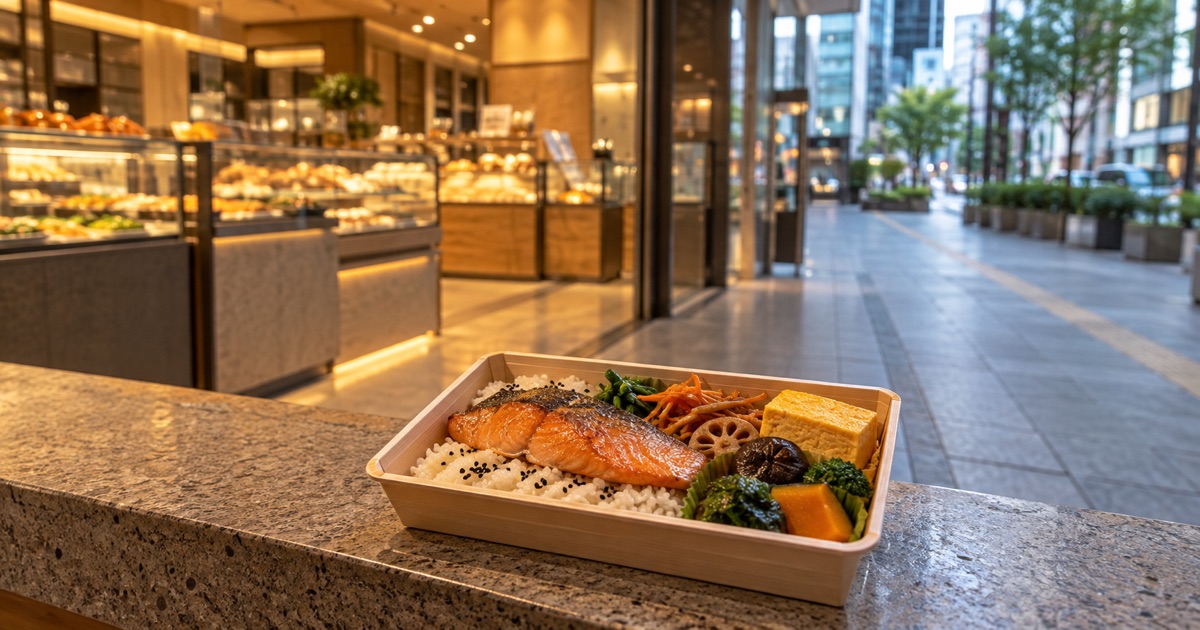
Shibuya Food Show (渋谷フードショー) is a large basement food hall built into Shibuya Station, selling bento boxes, deli dishes, bakery items, sweets, and regional specialty foods for takeout. It is one of the easiest places in Tokyo for a first-time visitor to put together a good meal or snack without needing a restaurant reservation or Japanese language skills.
This style of underground food hall is often called "depachika" (デパ地下), a word that combines "department store" and "basement" (地下, chika), because the format started in department store basements decades ago. Shibuya Food Show follows the same idea: dozens of small counters, each specializing in one type of food, lined up along bright aisles, with glass cases displaying everything on offer.
For travelers, it works well as a one-stop shop for lunch, dinner, or a picnic-style meal, especially if you want to try several different Japanese foods without committing to one sit-down restaurant.
Where It Is and How to Get There
Shibuya Food Show sits within the Shibuya Station (渋谷駅) complex, one of the busiest rail hubs in Tokyo, served by JR lines, the Tokyo Metro Ginza, Fukutoshin and Hanzomon lines, and the Keio and Tokyu lines. Because the station is large and multi-level, the food hall can be easy to miss on a first visit.
A practical approach: once inside the station, look for signage pointing toward the Food Show or basement shopping area near the Hachiko exit side or the Tokyu department store section, depending on which part of the station you enter from. Station layouts around Shibuya have changed repeatedly in recent years due to redevelopment, so following posted directional signs on the day is more reliable than memorizing a fixed route. If you get turned around, station staff at ticket gates can point you toward it even with minimal English, since it's a well-known destination within the station.
Allow extra time on your first visit. Ten to fifteen minutes of walking and backtracking inside the station is common, even for people who have a rough idea of where they're going.
What You Can Buy There
The appeal of a food hall like this is variety. In a single visit you can typically find:
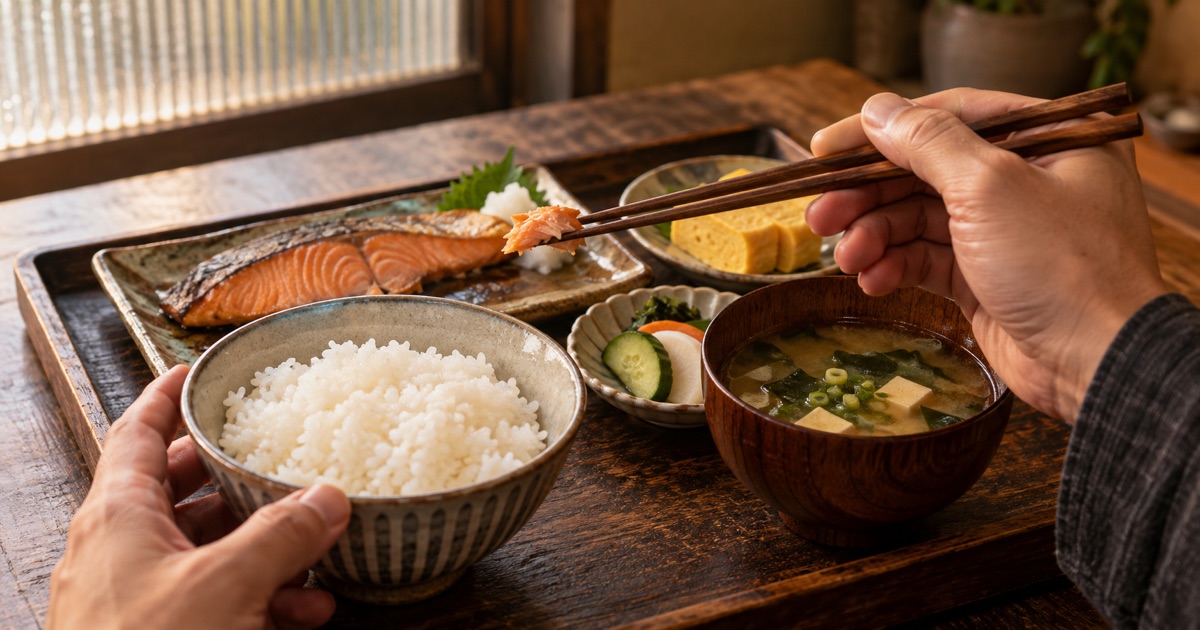
- Bento boxes (弁当) — boxed meals combining rice, a protein such as grilled fish, chicken, or pork, and a few side dishes. Portions and prices vary a lot by counter.
- Prepared side dishes (惣菜, sozai) — small deli-style items like simmered vegetables, fried items, salads, and pickles, often sold by weight or per piece so you can mix a few together.
- Sushi and sashimi sets — pre-packed trays, convenient for a quick meal but best eaten soon after buying.
- Sweets and baked goods — Japanese-style confections alongside Western-style cakes, pastries, and chocolates, including items made for gifting.
- Regional and seasonal specialty foods — products tied to a particular region of Japan or a current season, which rotate throughout the year.
Because stalls are independently operated, quality, style, and price can differ noticeably from one counter to the next, so it's worth doing a slow first lap past the cases before buying anything.
How to Eat the Food You Buy
Most food from Shibuya Food Show is meant to be taken away rather than eaten inside the hall. Common options for first-time visitors:
- Take it to a hotel room if you're staying nearby, especially for sushi or anything that should be eaten relatively soon.
- Find a bench or open plaza area outside the station. Central Tokyo has limited public seating, so this takes a bit of searching, and eating while walking is generally considered poor etiquette in Japan.
- Use any designated eating space within the station or building, if the food hall or surrounding shopping complex has one. These are not always obvious from the shop floor, so check signage rather than assuming.
A common mistake is assuming the hall works like a food court with shared tables next to every counter — that is rarely the case. Plan where you'll actually eat before you load up on items that don't travel well.
We are working to carry Japanese craft and everyday culture beyond Japan, by building Japan Towns with local partners.
Read the Japan Town plan →When to Visit for the Best Experience
Daytime for Selection
Visiting during normal daytime hours gives you the widest selection, since cases are fully stocked and rotating specialty items are more likely to be available. This is the better time to browse slowly and compare multiple counters.
Evening for Discounts
Many bento and prepared-food counters in Japanese food halls reduce prices on unsold items as closing time approaches, often with discount stickers applied a few hours before the hall shuts. This pattern is common at Shibuya Food Show too, though exact timing varies by counter and by day, and isn't guaranteed. If you're flexible about exactly what you eat, arriving in the early evening can mean better value; arriving right at closing risks many items already being sold out.
Opening hours, and the timing of any evening discounts, can change, including on public holidays, so check current details on the Japan National Tourism Organization site for general visiting guidance, or look for official information from the station or building operator before your trip.
What to Bring and Common Mistakes
- Cash and a card: Most counters accept IC transit cards (Suica, Pasmo) and major credit cards, but it's wise to carry some cash as backup, since policies vary stall to stall.
- A reusable bag: Convenient for carrying multiple small packages, and reduces the number of plastic bags you accumulate.
- Patience with crowds: Shibuya Station is busy at almost all hours, and the food hall aisles can be narrow during peak times like evening rush hour.
- Don't expect English menus everywhere: Pointing at the display case works well, and staff are generally used to this with overseas visitors.
- Check for allergens yourself: Packaged items often list ingredients in Japanese only, and common allergens in Japanese food include wheat, soy, egg, and shellfish. If you have a serious allergy, consider carrying a translated allergy card, and when in doubt, choose simpler, clearly visible items like plain onigiri over mixed prepared dishes.
Final Tips
Shibuya Food Show rewards a bit of advance planning: know roughly where you'll eat your food, bring both cash and a card, and expect the best selection earlier in the day with the chance of discounts later on. For general trip-planning resources and official travel information while you're in Japan, the Japan National Tourism Organization website is a reliable place to start.
FAQ
- Q. Is Shibuya Food Show a restaurant or a food court?
- A. It is mainly a depachika-style food hall of individual counters selling takeout food, not a restaurant with table service or a food court with shared seating for every stall.
- Q. Do I need to speak Japanese to shop there?
- A. No. Most items are displayed in glass cases so you can point and pay, and staff at busy stations are used to serving overseas visitors with simple English or gestures.
- Q. Can I eat the food on the spot?
- A. Some areas have small standing counters or nearby benches, but much of the food is meant to be taken home, to a hotel room, or to a park bench rather than eaten inside the hall.
Cite or share this article
Copy the link below. If you quote this article, please link to this page as the source.