Shinjuku Food Guide: What to Eat and How to Order
Key takeaways
- Shinjuku offers nearly every major Japanese culinary style, from quick ramen to formal multi-course washoku dinners.
- Many casual spots use electronic ticket machines or digital touchscreens, making ordering straightforward without Japanese.
- Table charges, called otoshi, are standard at evening drinking spots, accompanied by a small unrequested starter dish.
Shinjuku food spans the entire spectrum of Japanese dining, ranging from fast, steaming bowls of noodles beneath railway tracks to multi-course culinary banquets high above the neon-lit streets. As one of Tokyo's most bustling transport hubs, this district serves as an accessible microcosm of regional culinary traditions across Japan.
For first-time international visitors who do not speak or read Japanese, navigating the sheer volume of culinary choices can feel overwhelming. Understanding the key food styles, dining mechanics, allergen profiles, and ordering etiquette ensures a smooth, delicious journey through Shinjuku (新宿).
Iconic Food Styles Found in Shinjuku
Because millions of commuters pass through Shinjuku Station daily, dining options cater to diverse schedules and budgets. You can explore regional specialties from across the Japanese archipelago without leaving the neighborhood.
Ramen: Fast, Rich, and Regionally Diverse
Ramen (ラーメン) is central to the area's daytime and late-night food culture. While classic Tokyo-style ramen features a clear, soy sauce-infused broth (shoyu) made with chicken and dried fish stock, Shinjuku is home to virtually every regional variation.
- Tonkotsu Ramen (豚骨ラーメン): Originating in Kyushu, this broth is simmered for hours using pork bones until it turns creamy, rich, and opaque. It is served with thin, firm wheat noodles, sliced roast pork (chashu), and wood ear mushrooms.
- Tsukemen (つけ麺): Invented in Tokyo, these dipping noodles are served chilled or at room temperature alongside an intensely concentrated, piping-hot bowl of soup enriched with seafood powder and pork fat. Diners dip the thick noodles bite by bite into the broth.
- Miso Ramen (味噌ラーメン): Borrowed from Hokkaido, this style incorporates robust fermented soybean paste into rich stock, frequently garnished with sweet corn, bean sprouts, and garlic butter.
Yakitori: Skewered Chicken Over Charcoal
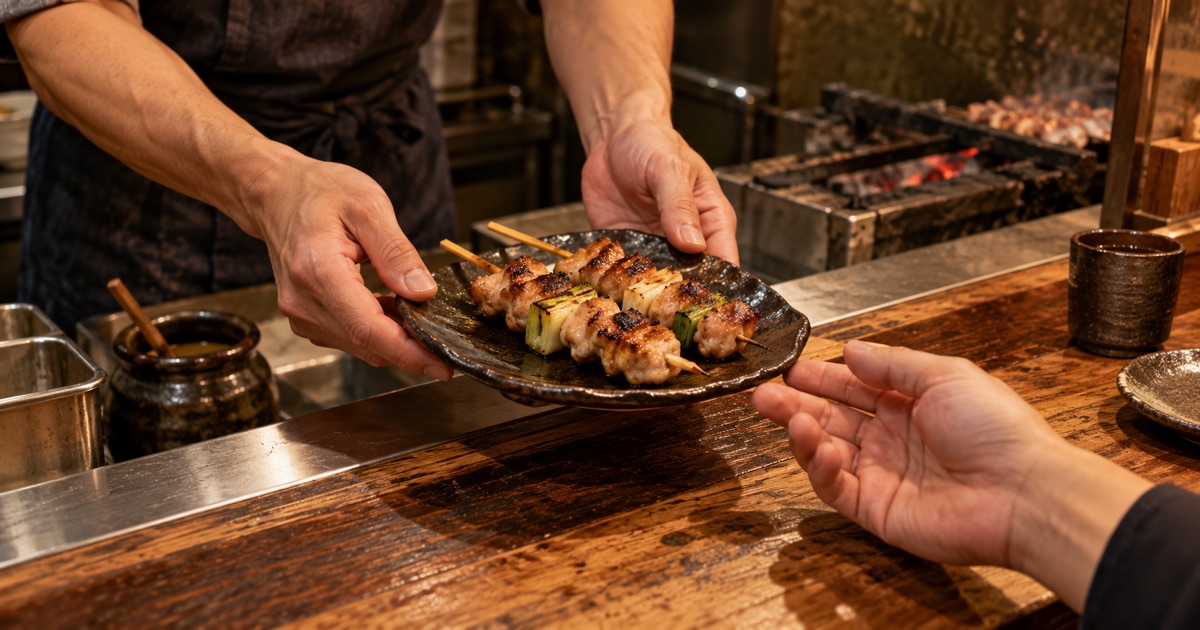
Yakitori (焼き鳥) consists of bite-sized cuts of chicken skewered on bamboo sticks and grilled over white-hot charcoal. These skewers are traditionally seasoned in one of two ways:
- Tare (タレ): A sweet and savory glaze made from reduced soy sauce, sake, mirin, and sugar.
- Shio (塩): Plain sea salt, which allows the natural flavor and char of the meat to stand out.
Popular cuts include tender thigh (momo), chicken meatballs (tsukune), and skin (kawa). Offal cuts such as liver (reba) and gizzard (sunagimo) are also staples. Ordering a pre-selected assortment (moriwase) is a practical choice when navigating non-English menus.
Udon and Soba: Traditional Buckwheat and Wheat Noodles
For a lighter meal, soba (蕎麦) and udon (うどん) provide deep, savory flavors anchored by dashi (出汁), a kelp and bonito fish stock:
- Soba: Made from buckwheat flour, these thin, earthy noodles can be consumed hot in broth (kake soba) or chilled on a bamboo tray (zaru soba) alongside a cold dipping sauce infused with scallions and wasabi.
- Udon: Thick, chewy wheat noodles served similarly. In fast-paced noodle counters near transit stations, udon is often topped with freshly fried vegetable or shrimp tempura (天ぷら).
Izakaya Fare: Shared Japanese Tapas
An izakaya (居酒屋) is a casual Japanese drinking establishment focused equally on casual dining. Meals consist of multiple small plates shared across the table, such as:
- Karaage (唐揚げ): Japanese-style fried chicken marinated in ginger, garlic, and soy sauce, coated in potato starch for a crisp exterior.
- Edamame (枝豆): Steamed, lightly salted young soybeans in the pod.
- Sashimi (刺身): Slices of raw, high-grade seasonal fish eaten with soy sauce and wasabi.
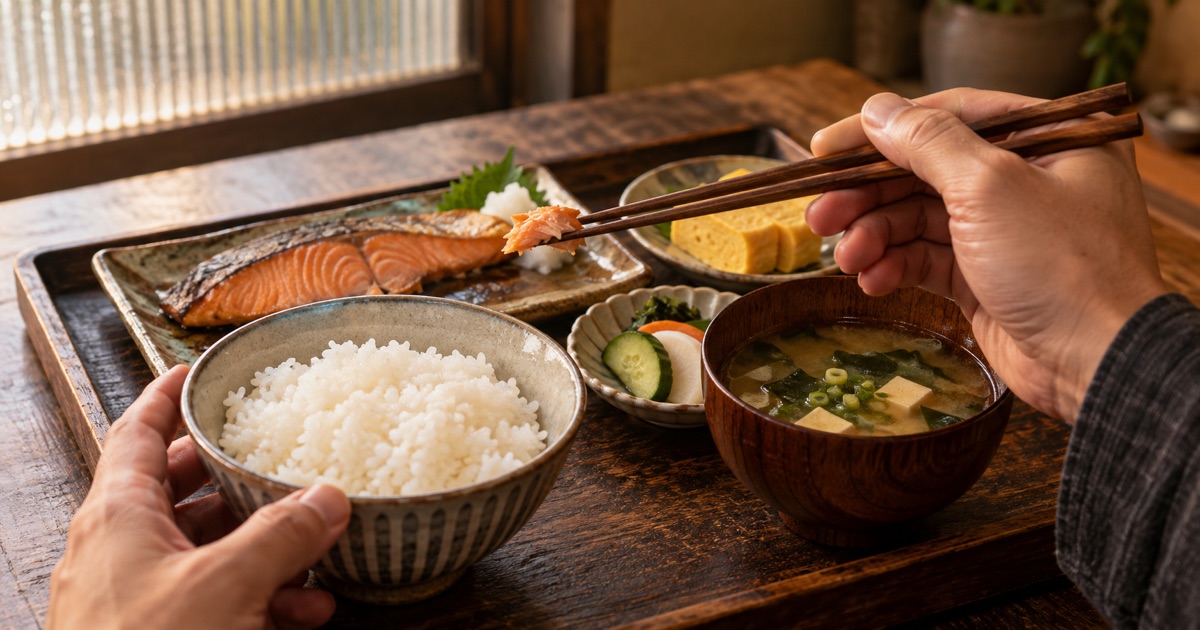
- Tamagoyaki (卵焼き): A rolled, layered omelet flavored with dashi and sweet mirin.
How to Order Food Without Japanese
Ordering food in Shinjuku is straightforward, even with zero language background. Many operations rely on visual or automated ordering systems to maintain rapid customer turnover.
Using Ticket Vending Machines (Kenbaiki)
Fast-casual establishments—particularly ramen, udon, and curry outlets—often place an automated vending machine (kenbaiki) directly inside or outside the front entrance. Follow these steps:
- Insert cash (paper notes and coins) or tap an IC transit card (such as Suica or Pasmo) into the designated reader.
- Select your dish by pressing the corresponding button. If the machine does not have an English-language button toggle, look for pictures or numbered buttons.
- Collect your paper ticket and any returned change from the coin return tray.
- Step inside, hand the ticket to the kitchen staff, and take an assigned seat.
- Specify your preferences (such as noodle firmness or soup richness) if prompted by the staff using simple gesture cards.
Ordering at Sit-Down Restaurants
In casual sit-down settings, diners may find an electronic tablet mounted at the table. These tablets typically feature a multi-language toggle button in the upper corner, allowing you to browse item photos, review prices, and place your order directly without calling staff.
If no tablet is present, use the call button situated on the table, or politely say "Sumimasen" (excuse me) to alert a passing server. You can point directly to items on the menu while saying "Kore o kudasai" (this one, please).
We are working to carry Japanese craft and everyday culture beyond Japan, by building Japan Towns with local partners.
Read the Japan Town plan →Dining Customs and Table Etiquette
Observing local customs helps prevent misunderstandings and ensures a smooth meal:
- The Otoshi System: At evening izakaya establishments, a tiny unrequested dish known as otoshi (お通し) is routinely placed on the table. This functions as an automatic seating fee or cover charge, usually ranging from roughly 300 to 800 yen per person. It is standard industry practice, not a billing error.
- Chopstick Rules: Avoid sticking chopsticks vertically into a bowl of rice, as this resembles a funerary ritual. Use the provided ceramic chopstick rest (hashioki), or rest them across the edge of a dish. Never use your chopsticks to pass food directly to another person's chopsticks.
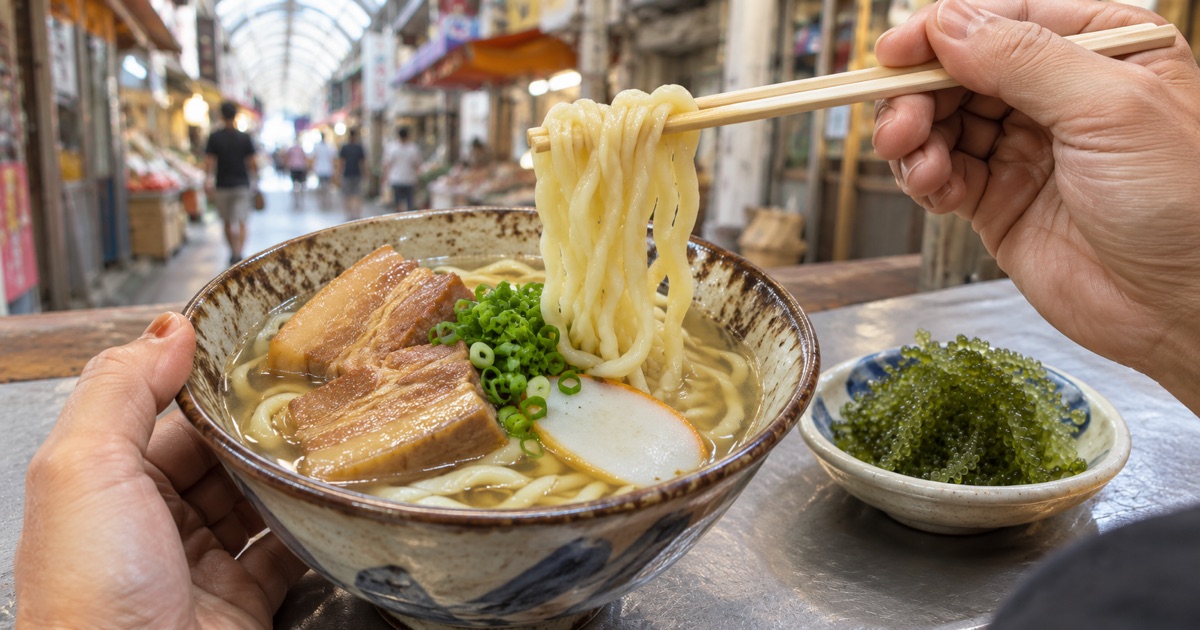
- Slurping Noodles: Slurping hot soup noodles is considered standard dining practice in Japan. Drawing air into the mouth while eating helps cool the noodles and enhances the broth's aroma.
- No Tipping: Tipping is not customary in Japan. If you leave excess currency on the table or counter, staff members will usually run after you to return the forgotten money. Simply settle the exact total at the register near the door upon finishing.
Dietary Restrictions and Common Allergens
Travelers with dietary requirements should plan meals carefully, as many traditional Japanese ingredients contain hidden components.
Common Allergen Considerations
Japan's official labeling laws recognize several major allergens, but small restaurants are not always legally required to post detailed ingredient sheets. For official food standards and agricultural profiles, consult the Ministry of Agriculture, Forestry and Fisheries.
- Soy and Wheat: Soy sauce (shoyu) and miso paste both rely heavily on fermented soybeans and wheat, making them ubiquitous in broths, marinades, and dipping sauces.
- Fish and Shellfish: Dashi broth is fundamental to Japanese cooking and is made primarily from dried skipjack tuna (katsuobushi) and kelp. It forms the base of miso soup, udon broth, tamagoyaki, and tempura sauce.
- Eggs: Commonly used as a binder in ground meat dishes, noodle batters, and mayonnaise-based sauces, or served soft-boiled atop ramen.
Dining as a Vegetarian or Vegan
Vegetarian dining requires vigilance because dishes that appear meatless—such as vegetable udon or braised tofu—almost universally incorporate fish-derived dashi. Dedicated plant-based venues exist throughout Tokyo, but general restaurants may struggle to customize orders during busy service hours. Carrying a printed food card written in Japanese specifying that you cannot consume meat, fish, or fish stock can help clarify questions.
Department Store Food Halls (Depachika)
If you are unsure where to start, visit the basement level of a major Shinjuku department store. Known as depachika (デパ地下), these massive culinary markets showcase ready-to-eat foods, including:
- Bento Boxes (弁当): Balanced lunch boxes featuring rice, grilled fish or tonkatsu, and pickled seasonal vegetables.
- Yakitori and Karaage Counters: Skewers and fried chicken sold individually by weight or piece.
- Wagashi and Western Sweets (和菓子): Traditional sweet bean confections, seasonal fruit mochi, and artisanal pastries.
Purchasing items from a depachika provides a flexible dining option. Keep in mind that outdoor public trash cans are rare throughout Tokyo. Plan to pack any trash back to your accommodation, or dispose of it at the counter where the food was purchased. For general travel preparation, the Japan National Tourism Organization offers up-to-date guidance for overseas travelers.
FAQ
- Q. Do diners need cash to pay for food in Shinjuku?
- A. Many casual food stalls and older shops accept only Japanese yen in cash, while larger venues and department stores take credit cards or IC transit cards.
- Q. What is the cover charge added to food bills in Shinjuku at night?
- A. Izakaya dining spots generally levy a small seating fee known as otoshi (お通し), which includes a tiny seasonal appetizer served before your order.
- Q. How can travelers with dietary restrictions identify allergens in Shinjuku eateries?
- A. Major food chains and department store food halls often supply printed allergen charts listing common ingredients like wheat, soy, eggs, and shellfish.
Cite or share this article
Copy the link below. If you quote this article, please link to this page as the source.