What to Eat in Minato City: Tokyo Dining Guide
Key takeaways
- Minato City offers both historic Edo-period specialties and lively salaryman pub foods across its distinct neighborhoods.
- Ordering systems vary from high-end seasonal tasting menus to automated ticket vending machines at casual noodle counters.
- Common dietary allergens like soy, wheat, shellfish, and sesame are widespread across traditional Tokyo dishes.
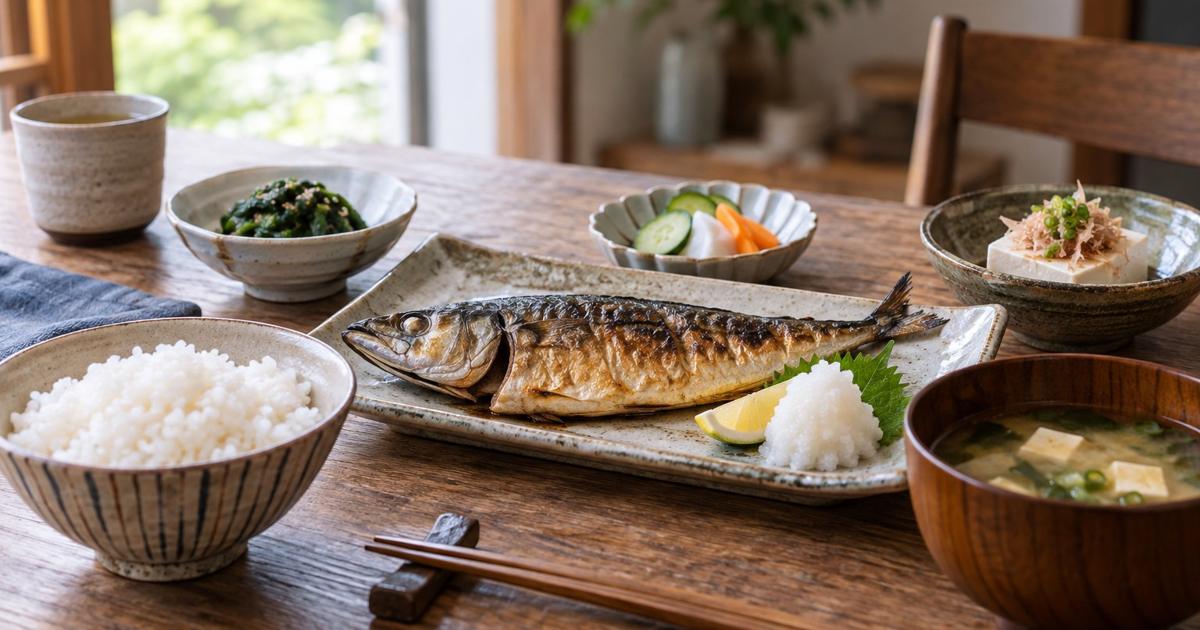
When deciding what to eat in Minato City (港区, Minato-ku), visitors should focus on historic Edo-style classics like nigiri sushi and tempura, alongside vibrant commuter favorites like charcoal-grilled yakitori and rich tonkotsu ramen. Spanning iconic Tokyo districts such as Shinbashi, Roppongi, Akasaka, and Odaiba, Minato City concentrates centuries of traditional culinary heritage alongside cutting-edge modern Japanese dining.
Whether you are navigating the smoke-filled alleys beneath train viaducts or sitting down at a quiet wooden counter, this guide explains the primary dishes to seek out, how to order them without reading Japanese, and what to expect on your plate.
The Signature Dishes of Minato City
Minato City borders Tokyo Bay and served as a crucial transport and merchant hub during the Edo period (1603–1867). Because of this coastal and commercial legacy, its culinary landscape balances refined traditional techniques with hearty meals designed for busy urban workers.
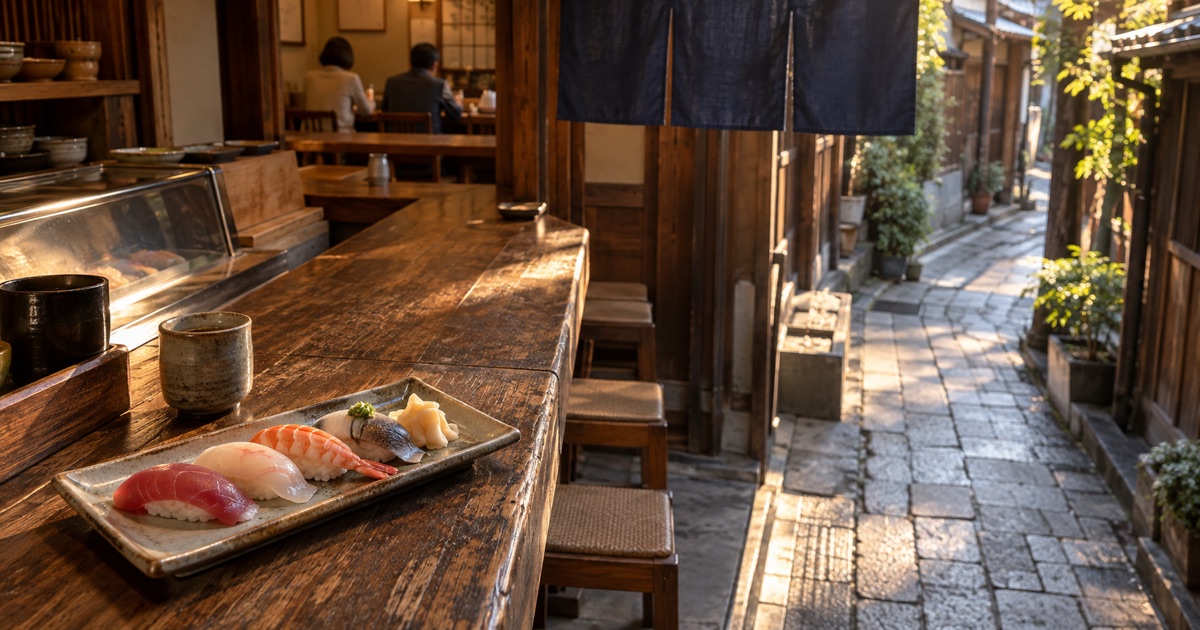
Edo-Style Nigiri Sushi (江戸前寿司)
Edo-style sushi (Edo-mae zushi) originated along Tokyo Bay as a quick street food. Unlike modern raw fish presentations, authentic Edo-style sushi involves curing, marinating, or simmering seafood to preserve flavor and enhance texture:
- Maguro no Zuke (鮪の漬け): Lean tuna slices briefly marinated in a blend of soy sauce, mirin, and sake.
- Kohada (小肌): Gizzard shad cured with salt and vinegar to balance natural oils.
- Anago (穴子): Saltwater eel simmered until tender, brushed with a sweet soy reduction (tsume).
When eating nigiri, pick up the piece with your fingers or chopsticks. Dip the fish topping lightly into soy sauce rather than soaking the seasoned rice (shari), which causes the rice cluster to break apart.
Buckwheat Soba (蕎麦)
Soba has been a staple Tokyo quick meal for hundreds of years. The dish features thin noodles made from buckwheat flour, served in two primary styles:
- Mori Soba / Zaru Soba (盛り蕎麦 / ざる蕎麦): Chilled noodles served on a bamboo sieve, accompanied by a concentrated dipping sauce (tsuyu), wasabi, and sliced green onions.
- Kake Soba (かけ蕎麦): Hot noodles served in a gentle, dashi-infused soy broth.
To eat chilled soba, mix a small dab of wasabi into your cup of sauce, dip a bite-sized bundle of noodles halfway into the sauce, and slurp firmly. Slurping introduces air, which aerates the nutty aroma of the buckwheat. At the end of the meal, staff often provide sobayu (hot buckwheat water) to dilute the remaining dipping sauce into a soothing soup.
Tempura (天ぷら)
Edo-style tempura distinguishes itself from lighter regional variations by using a hint of toasted sesame oil in the frying vat, yielding a golden color and a fragrant, nutty aroma. Common ingredients include black tiger prawn (kuruma ebi), Japanese whiting (kisu), squid (ika), lotus root (renkon), and sweet potato (satsumaimo).
Tempura arrives either as an assortment paired with coarse sea salt and a light dipping broth with grated daikon radish, or served atop a bowl of rice with a sweet-savory glaze as tendon (天丼).
Yakitori (焼き鳥)
In commuter hubs like Shinbashi (新橋), narrow alleys beneath the train tracks fill with smoke from skewered chicken grilled over white charcoal (binchotan). Yakitori lets diners sample every cut of the bird, including breast (negima, paired with leek), meatball (tsukune), skin (kawa), and liver (reba).
When ordering, staff will ask your seasoning preference:
- Tare (タレ): A rich, sweet soy glaze.
- Shio (塩): Pure sea salt, ideal for lighter cuts and crispy skin.
Wagyu and Teppanyaki (和牛 / 鉄板焼き)
Minato City encompasses high-end business and diplomatic hubs like Roppongi and Akasaka, making it a prominent area for Japanese black cattle (Kuroge Washu). High-grade wagyu features intricate intramuscular fat marbling (sashi). Common styles include:
- Sukiyaki (すき焼き): Thinly sliced beef simmered at the table in a shallow iron pan with sweet soy broth, scallions, and tofu, then dipped in raw beaten egg.
- Shabu-Shabu (しゃぶしゃぶ): Paper-thin beef swirled quickly through boiling kelp broth, dipped in citrusy ponzu or sesame sauce.
- Teppanyaki (鉄板焼き): Steaks and seasonal vegetables seared on a flat iron griddle directly before you.
Neighborhood Food Profiles in Minato City
Navigating Minato City by train—primarily using the JR Yamanote Line, Tokyo Metro Ginza Line, or Toei Oedo Line—brings distinct culinary micro-cultures into focus.
Shinbashi: The Working Heart of Tokyo
Directly south of Tokyo Station, Shinbashi is nicknamed the "salaryman capital." Beneath the elevated train tracks of the JR lines, you will find casual counter-service shops:
- Budget-friendly standing noodle bars (tachigui soba).
- Intimate skewered-meat izakaya.
- Late-night ramen counters serving rich pork-bone (tonkotsu) or chicken-based broths.
Roppongi and Akasaka: Cosmopolitan & Fine Dining
Roppongi and Akasaka host multi-course dining, known as kaiseki, alongside modern interpretations of Japanese regional cooking. Many dining rooms offer multilingual menus, and counters often feature English-speaking staff catering to international visitors.
Shiba and Tokyo Tower: Traditional Temple Environs
The neighborhood surrounding Zojoji Temple (増上寺) and Tokyo Tower retains quiet pockets dedicated to tofu specialties, traditional eel (unagi), and tea-house confections.
For official details on transport passes and regional events across the metropolis, consult the Japan National Tourism Organization.
We are working to carry Japanese craft and everyday culture beyond Japan, by building Japan Towns with local partners.
Read the Japan Town plan →Practical Steps: How to Order and Pay
Casual and formal restaurants handle ordering through distinct routines. Understanding these systems prevents confusion on your first visit.
+---------------------------------------------------------------+
|                      ENTRY & SEATING                          |
|  Look for noren (fabric divider) at the door.                 |
|  Indicate your party size using fingers.                      |
+------------------------------+--------------------------------+
                               |
        +----------------------+----------------------+
        |                                             |
        v                                             v
+-------------------------------+             +-------------------------------+
|   TICKET MACHINE (SHOKKENKI)  |             |      TABLE OR COUNTER         |
|   Common in ramen & soba      |             |   Common in izakaya & sushi   |
|   1. Insert cash / IC card.   |             |   1. Look for paper or tablet |
|   2. Press the dish button.   |             |      menu.                    |
|   3. Hand paper slip to chef. |             |   2. Sumimasen to call staff. |
+-------------------------------+             +-------------------------------+
                               |
                               v
+---------------------------------------------------------------+
|                      BILL PAYMENT                             |
|  Casual: Pay machine first, or pay at register by exit door.  |
|  Formal: Pay at your table; tipping is not practiced.         |
+---------------------------------------------------------------+
Navigating Ticket Vending Machines (食券機)
Many fast-casual noodle and curry shops utilize vending machines near the entrance:
- Insert cash (1,000 yen notes and coins are standard; higher-denomination notes fit into marked slots) or touch your transit IC card (such as Suica or Pasmo).
- Buttons illuminate. If no English labels exist, look for the top-left button—this is almost universally the restaurant's recommended signature dish.
- Take your printed ticket and change, sit down, and place the ticket directly on the counter top for the cook.
Paying the Bill
In traditional sit-down restaurants, bills are paid at a small register near the front door upon leaving, rather than at the table. Take the small clipboard or wooden peg from your table to the cashier. Tipping is not customary anywhere in Tokyo; providing exact payment or taking your returned change is standard practice.
Allergen and Dietary Considerations
Traditional Japanese cuisine relies on core seasoning agents that require attention if you manage food allergies or specific diets:
- Gluten / Wheat: Present in traditional soy sauce (shoyu), wheat noodles (udon, ramen), tempura batter, and pre-made dashi soup bases. Authentic 100% buckwheat soba (juwari soba) contains no wheat, but many shops blend in 20% wheat flour (nihachi soba) to improve noodle elasticity.
- Fish and Shellfish: Dashi broth, made from dried skipjack tuna (katsuobushi) and seaweed (kombu), forms the foundation of most soups, dipping sauces, and simmered dishes.
- Soy: Tofu, miso, and soy sauce are ubiquitous across almost all savory meal preparations.
To review baseline ingredient compositions and common preparation foundations, visit the Ministry of Agriculture, Forestry and Fisheries.
Common Dining Mistakes to Avoid
- Rubbing wooden chopsticks together: Shaving disposable chopsticks together signals to the kitchen that you believe their utensils are cheap or splintered.
- Passing food chopstick-to-chopstick: This mimics traditional Japanese funeral rites. Transfer food directly from plate to plate instead.
- Leaving chopsticks standing upright in rice: Known as tsukitate-bashi, this arrangement is reserved for offerings to the deceased. Always lay chopsticks down on the ceramic holder (hashi-oki) or across the edge of a dish.
- Expecting custom alterations: Most Japanese kitchens operate on strict recipe balance. Asking to substitute ingredients or omit core components of a set menu can disrupt kitchen workflow and may be politely declined.
Results You Can Expect from Dining in Minato City
By approaching Minato City with an appetite for classic Edo-style cooking, you can expect an authentic cross-section of Tokyo food culture within a single ward. A typical day of eating can range from a quick 800-yen morning bowl of kake soba in Shinbashi station to an elaborate evening course of charcoal-grilled wagyu or pristine Tokyo Bay nigiri in Roppongi. Navigating through ticket machines, counter seats, and localized dining customs will give you confidence to explore menus anywhere in Japan.
FAQ
- Q. What food is Minato City in Tokyo most famous for?
- A. Minato City is best known for historic Edo-style foods—especially nigiri sushi, soba noodles, and tempura—alongside casual yakitori around commuter train hubs like Shinbashi.
- Q. How much should visitors expect to budget for dining in Minato City?
- A. Casual meals like ramen, soba, or beef bowls generally cost around 800 to 1,500 yen, casual izakaya dinners run roughly 3,000 to 6,000 yen, and formal multi-course dinners can exceed 15,000 to 30,000 yen per person.
- Q. How do travelers with food allergies manage dining in Minato City?
- A. Traditional Japanese seasoning uses soy sauce, dashi fish stock, and sake, which contain soy, wheat, and seafood. Carrying a translated dietary card stating allergens in Japanese helps counter staff verify ingredients.
Cite or share this article
Copy the link below. If you quote this article, please link to this page as the source.