What to Eat in Shibuya Tokyo
Key takeaways
- Shibuya offers everything from quick conveyor-belt sushi to full izakaya meals, suiting any budget or time limit.
- Many shops post photo menus or plastic food displays, so you can order without reading Japanese.
- Peak lunch (around 12:00-13:00) and dinner (19:00-21:00) hours get crowded; arriving earlier or later means shorter waits.
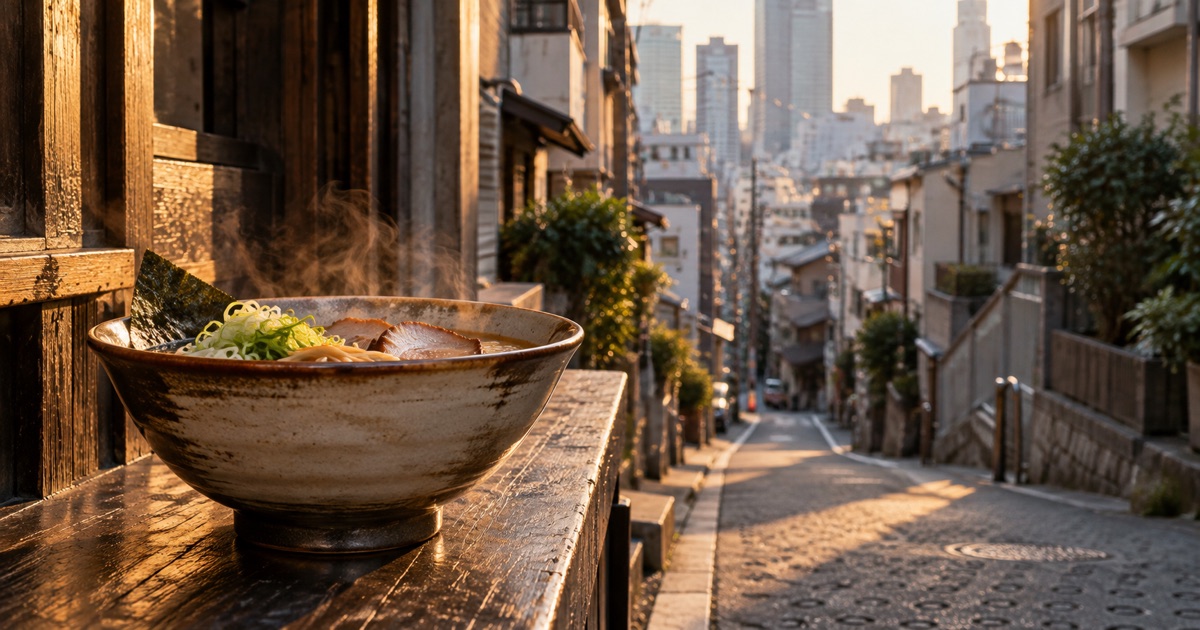
When deciding what to eat in Shibuya, Tokyo, top dishes to target include ramen, sushi, and yakiniku around Shibuya Station. The area is dense with options, and many casual spots make ordering easy with photo menus, ticket vending machines, or plastic displays. Choosing one or two key dishes per meal is the best way to explore without feeling overwhelmed.
あわせて読む:What to Eat in Tokyo: A First-Timer's Food Guide/What to Eat in Arashiyama: A First-Timer's Food Guide/What to Eat in Hokkaido: A First-Timer's Food Guide
What to Eat in Shibuya, Tokyo
For a first-time visitor, the best approach to eating in Shibuya is to pick one or two "anchor" dishes per meal—such as ramen, sushi, or yakiniku—rather than trying to sample everything at once, since the area is dense with options at every price point. Shibuya (渋谷) works well for travelers with no Japanese reading ability because many restaurants use plastic food displays, photo menus, or ticket vending machines, making it possible to order confidently just by pointing or pressing a picture.
This guide covers the main dishes worth trying around Shibuya Station, how locals typically eat them, and a few practical tips to avoid common first-timer mistakes.
Getting Oriented Around Shibuya Station
Shibuya Station is served by several train lines, including the JR Yamanote Line, so it's an easy stop if you're already moving around central Tokyo. The famous Shibuya Crossing and the Hachiko (ハチ公) statue exit are good landmarks to orient yourself before heading into the surrounding streets, where most restaurants are packed into a fairly walkable area. Center Gai (センター街), the pedestrian street running from near the station, is one of the busiest food streets, lined with casual chains, ramen shops, and fast-food-style counters.
Because the area is compact, you can realistically walk between several restaurant options in under ten minutes, which makes it easy to restaurant-hop if the first place has a long line.
Ramen: A Shibuya Staple
Ramen (ラーメン) is one of the most approachable dishes for visitors, since many shops use ticket vending machines at the entrance. You insert cash (or sometimes a card), press the button matching the dish you want—often shown with a photo—and hand the ticket to staff.
Common styles found around Shibuya include:
- Shoyu (soy sauce-based) – a clear, brown broth, generally the mildest style
- Miso-based – a thicker, richer broth using fermented soybean paste
- Tonkotsu (pork bone) – a creamy, opaque broth, often associated with Kyushu-style ramen
Toppings typically include sliced pork (chashu), green onion, bamboo shoots (menma), and sometimes a soft-boiled egg. Note that ramen broth often contains pork, soy, and wheat (from the noodles), so if you have dietary restrictions, it's worth checking with staff, though English support varies by shop.
A common mistake is ordering during the peak lunch window (roughly 12:00–13:00), when lines can form quickly outside small ramen counters. Visiting slightly before or after this window usually means a shorter wait.
We are working to carry Japanese craft and everyday culture beyond Japan, by building Japan Towns with local partners.
Read the Japan Town plan →Sushi: From Casual to Conveyor Belt
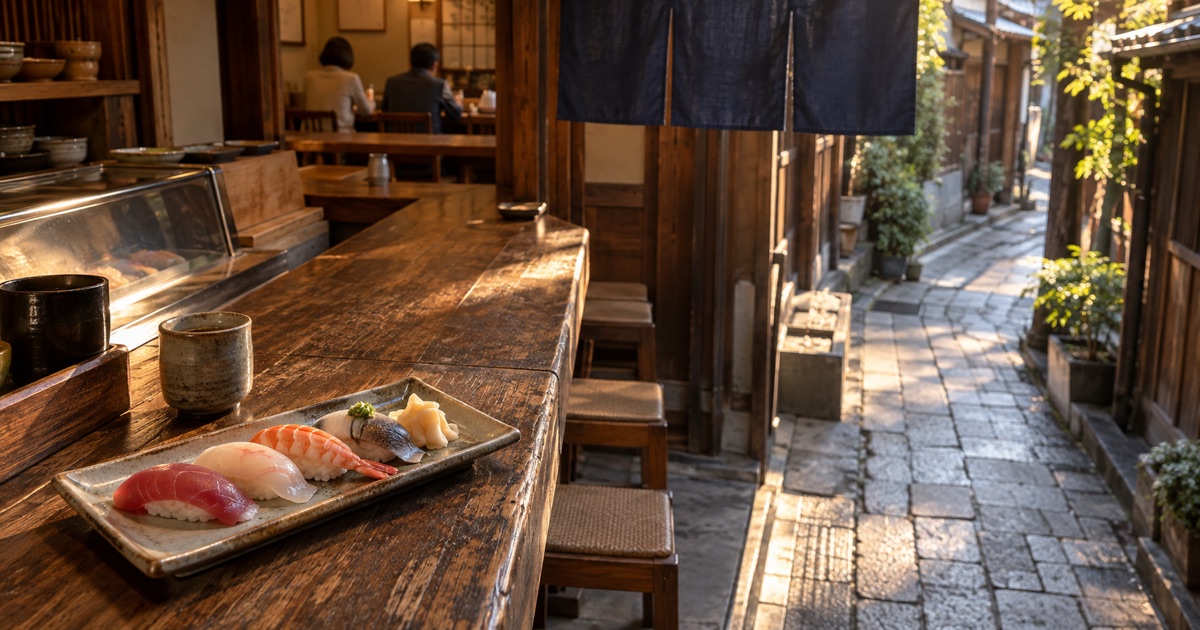
Shibuya has a range of sushi options, from standing sushi bars to conveyor-belt (kaiten-zushi, 回転寿司) restaurants where plates circulate on a belt and you simply take what looks appealing. Pricing at conveyor-belt restaurants is usually indicated by plate color, with each color corresponding to a different price tier—check the chart posted in the shop, since colors can vary slightly between restaurants.
If you're unsure what to order, common starter choices include tuna (maguro), salmon (sake), and shrimp (ebi), which tend to be mild and widely liked. Sushi commonly contains raw or lightly cooked fish, soy sauce, and sometimes vinegar-seasoned rice, so those with shellfish or fish allergies should be cautious and ask before ordering.
Yakiniku and Izakaya-Style Eating
For a more social, sit-down meal, yakiniku (焼肉), or Japanese-style grilled meat, is popular in Shibuya. Thin slices of beef, pork, or chicken are grilled at the table over a small grill, then dipped in a tare (sauce) before eating. It's often shared among a group, with everyone grilling and eating at their own pace.
Izakaya (居酒屋), casual Japanese pubs, are another common choice, especially in the evening. These serve small plates meant for sharing—think grilled skewers (yakitori), fried items like karaage (Japanese fried chicken), edamame, and simmered dishes. A typical izakaya visit starts with everyone ordering drinks and a few starter dishes, then adding more plates as the meal goes on, rather than ordering one large individual entrée each.
A note for first-timers: some izakayas charge a small seating fee called otoshi (お通し), which comes with a small appetizer you didn't order—this is standard practice, not a scam, though it can surprise visitors unfamiliar with the custom.
Quick and Casual Options
If you're short on time, Shibuya has no shortage of fast, casual food:
- Gyudon (beef bowl chains) – rice topped with simmered beef and onion, usually served within minutes
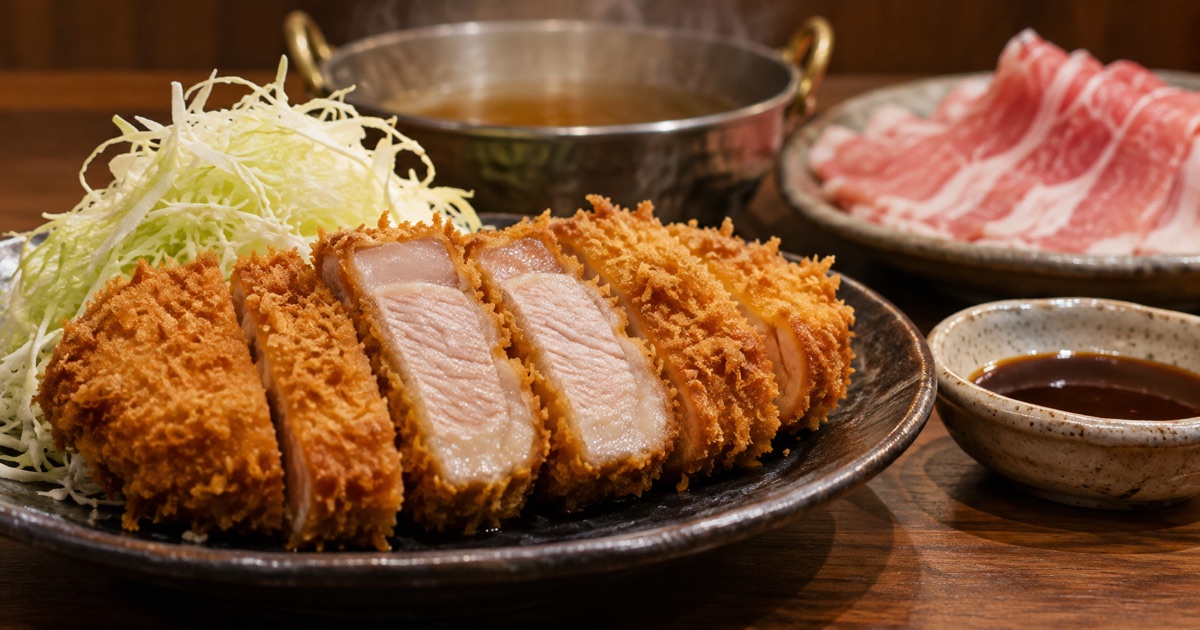
- Curry rice – Japanese-style curry, milder and thicker than Indian curry, often served with rice and a piece of fried pork (katsu) as an option
- Onigiri (rice balls) – sold at convenience stores, filled with options like salmon, tuna mayo, or pickled plum (umeboshi), and useful for eating on the go
Convenience stores (konbini) are everywhere around Shibuya and are a legitimate, affordable option for a quick meal, snack, or drink between sightseeing stops.
Sweets and Drinks
Shibuya also has plenty of options for something sweet. Japanese convenience stores and bakeries sell items like matcha-flavored sweets, fluffy pancakes, and seasonal fruit sandwiches. Crepe stands, historically associated with the Harajuku (原宿) area just north of Shibuya, are an easy walk away if you want a sweet crepe filled with cream and fruit.
For drinks, canned or bottled green tea, as well as coffee from vending machines and convenience stores, are inexpensive and widely available. If you want to sit down, Shibuya has many cafés suited for a break between meals.
Practical Tips for Eating in Shibuya
- Cash and cards: Carry some cash, as smaller or older shops may not accept credit cards, though most chains and larger restaurants do.
- Seating: Many popular restaurants, especially ramen and sushi counters, have limited seating, so be prepared to wait in line during busy hours.
- Allergens: Soy, wheat, and shellfish appear frequently in Japanese cooking; if you have allergies, consider carrying a translated allergy card, since English menus aren't guaranteed everywhere.
- Opening hours: Hours vary by restaurant and can change, especially around public holidays, so it's a good idea to check a shop's listed hours on the day you plan to visit.
For broader context on Japanese cuisine and regional food culture before your trip, the Japan National Tourism Organization offers general travel and food information that pairs well with planning a Shibuya food itinerary.
Final Thoughts
Shibuya rewards visitors who are willing to wander a little past the main crossing, since quieter side streets often hold just as many solid food options as the busier main drags. Whether you're after a fast bowl of ramen between sightseeing stops or a slower evening of shared yakiniku, the area's density means you're rarely more than a few minutes from your next meal.
FAQ
- Q. Is it easy to eat in Shibuya without speaking Japanese?
- A. Yes. Many restaurants have picture menus, plastic food models in the window, or ticket vending machines with buttons showing photos, so pointing or pressing a button works fine.
- Q. What is the best area in Shibuya for food?
- A. The streets around Shibuya Station and the Center Gai area have the densest concentration of casual restaurants, while backstreets further out tend to be quieter and slightly cheaper.
- Q. Do Shibuya restaurants take credit cards?
- A. Most chain restaurants and larger shops accept cards and IC cards like Suica or Pasmo, but some small, independent eateries are still cash-only, so carrying some yen is wise.
Cite or share this article
Copy the link below. If you quote this article, please link to this page as the source.