Yokosuka Food Guide: Navy Curry, Burgers, and Local Fare
Key takeaways
- Yokosuka Navy Curry and Kaigun Burgers define the port city's unique blend of Western and Japanese culinary traditions.
- Reach Yokosuka easily in roughly 45 to 60 minutes from central Tokyo via the JR Yokosuka Line or Keikyu Main Line.
- Most signature dishes feature beef, dairy, wheat, and soy, so travellers with dietary restrictions must check ingredients carefully.
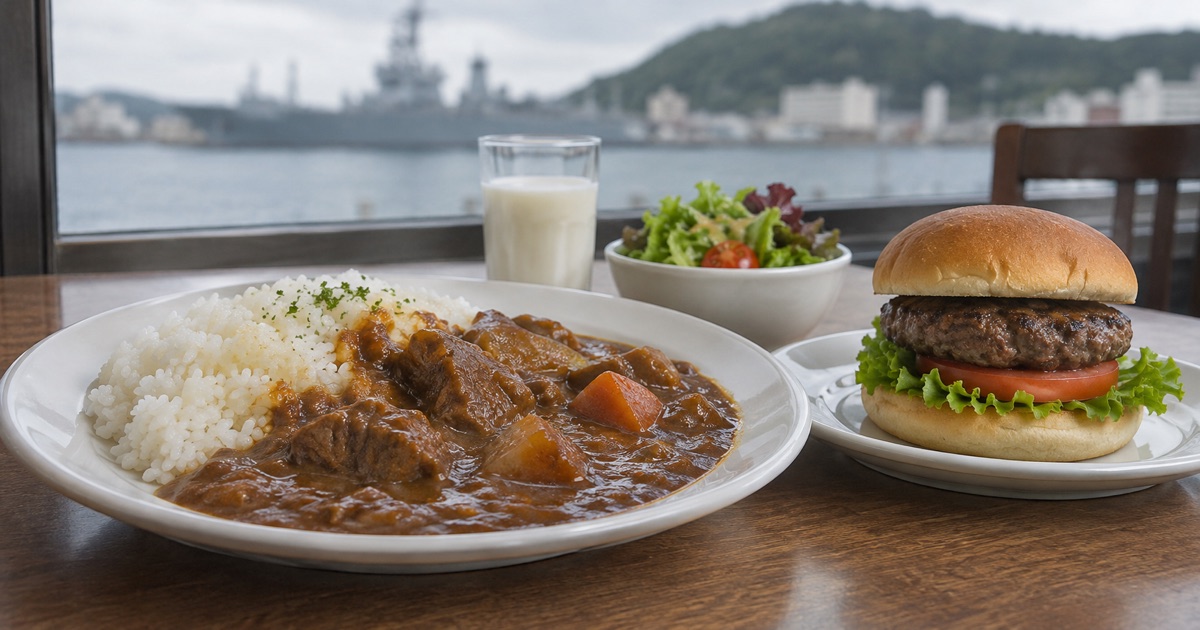
Yokosuka food is defined by a century of naval heritage, blending hearty Western military recipes with fresh seafood and vegetables from Kanagawa Prefecture. The city's two most famous culinary exports are Yokosuka Navy Curry (Yokosuka Kaigun Kare, 横須賀海軍カレー) and oversized Yokosuka Navy Burgers, both rooted in the port's historic ties to the Japanese and American navies.
Located at the mouth of Tokyo Bay on the Miura Peninsula, Yokosuka offers an easy culinary day trip from Tokyo. Beyond military comfort foods, visitors will find superb Pacific and bay seafood, locally grown winter vegetables, and retro cafe pastries.
The Signature Dishes of Yokosuka
Yokosuka's food culture reflects its historical role as a key port for the Imperial Japanese Navy and, later, the United States Navy.
Yokosuka Navy Curry (Kaigun Kare)
Yokosuka Navy Curry is a mildly spiced, roux-thickened Japanese beef or chicken curry served strictly alongside white rice, a side salad, and a glass of plain milk. The recipe traces back to the late 19th century, when the Imperial Japanese Navy adopted British naval beef stew recipes and thickened them with flour and curry powder to nourish sailors and prevent vitamin deficiencies.
To bear the official "Yokosuka Kaigun Kare" brand certification on menus, kitchens follow guidelines inspired by the 1908 Navy Culinary Reference Book (Kaigun Kappo Jutsu Sankosho). The dish is rich, slightly sweet from grated fruit or vegetables, and notably less spicy than contemporary Indian, Thai, or modern spicy Japanese curries. The inclusion of a small glass of cold whole milk remains an unbroken naval tradition meant to balance nutrition.
Yokosuka Navy Burger
The Yokosuka Navy Burger features a thick, unseasoned pure beef patty grilled without fillers, layered inside a sturdy bun with crisp lettuce, sliced tomato, and raw onion. The base concept originates directly from traditional U.S. Navy shipboard mess recipes, officially shared with the city of Yokosuka in the late 2000s.
Unlike standard Japanese-style hamburger steaks (hambagu), which use breadcrumbs, eggs, and onions mixed into minced meat, the Navy Burger relies on coarsely ground beef cooked plain. Condiments like yellow mustard, ketchup, and mayonnaise are kept on the side or applied by the customer at the table to adjust seasoning individually.
Cherry Cheesecake
Introduced alongside the Navy Burger as a sister specialty, Yokosuka Cherry Cheesecake draws inspiration from traditional New York-style baked cheesecake recipes shared by American naval personnel. It features a dense, rich cream cheese base topped with a sweet-tart dark cherry compote. It is commonly ordered as an afternoon dessert or the conclusion to a hearty diner meal.
Miura Seafood and Vegetables
Because Yokosuka occupies the Miura Peninsula, the southern port districts offer exceptional seafood that often gets overlooked in favour of the famous curries. Local specialities include:
- Nama Shirasu (生シラス): Raw juvenile whitebait served seasonally when the day's catch comes into port. It is sweet, slightly salty, and eaten over warm rice with grated ginger and soy sauce.
- Misaki Tuna (三崎マグロ): While Misaki port sits slightly further south, Yokosuka fish markets and diners serve generous cuts of local Pacific bluefin and bigeye tuna sashimi.
- Miura Daikon (三浦大根): A prized, dense winter radish that retains its structure during long simmering, frequently featured in local winter hot pots, stews, and side dishes.
How to Order and Eat Yokosuka Specialties
Navigating local diners and restaurants in Yokosuka is straightforward, even without Japanese language skills, due to the city's bilingual signage and naval background.
Eating Navy Curry
When you sit down to order Navy Curry:
- Choose Your Base Meat: Most establishments offer beef (gyu), chicken (tori), or occasionally pork (buta). Beef is the traditional baseline.
- Handle the Milk: The cold milk served with the meal is an intentional component of the set. Take sips between spoonfuls of curry to cleanse the palate and soften the spice notes.
- Use the Condiments: Japanese Navy Curry sets usually come with fukujinzuke (sweet red pickled vegetables) and sometimes mango or fruit chutney. Spoon these directly onto the edge of your rice, rather than stirring them into the sauce.
Handling the Navy Burger
Yokosuka Navy Burgers are exceptionally tall and often served with a wooden skewer through the centre:
- Apply Condiments First: Lift the top bun and apply ketchup, mustard, or pepper directly to the patty.
- Use the Paper Wrapper: Look on your table for a dispenser of square paper sleeves (open on two sides). Slide the burger inside the sleeve, discard the skewer, and press the bun down firmly with both palms to compress the layers.
- Eat Out of the Pouch: The paper pouch catches meat juices and sauce, keeping your hands clean.

We are working to carry Japanese craft and everyday culture beyond Japan, by building Japan Towns with local partners.
Read the Japan Town plan →Dietary Considerations and Allergens
Travellers with specific dietary needs should exercise caution when ordering traditional naval dishes.
- Wheat (Gluten): Traditional Navy Curry relies on a thick roux made from wheat flour and butter. Soy sauce used in seasoning also contains wheat. The Navy Burger bun is standard wheat bread.
- Dairy: Navy Curry sets are automatically accompanied by dairy milk, and butter is often integrated into the roux. Cherry cheesecake relies heavily on dairy cream cheese and butter.
- Beef and Pork: The vast majority of Navy Curry roux bases incorporate beef tallow or meat-derived bouillons, even when ordered as a chicken curry.
- Vegetarian/Vegan Challenges: Finding fully plant-based food in traditional military diners can be difficult. Visitors seeking plant-based meals should seek out modern lifestyle cafes or international dining options.
For comprehensive ingredient profiles and raw food data, consult official Japanese databases such as the MEXT Food Composition Database.
Practical Travel Information: Day Trip from Tokyo
A food trip to Yokosuka fits easily into a half-day or full-day excursion from central Tokyo.
Getting There by Train
Two primary train lines connect central Tokyo to Yokosuka:
- JR Yokosuka Line: Departs from Tokyo Station or Shinagawa Station. Arrives at JR Yokosuka Station (横須賀駅) in roughly 50 to 60 minutes. The JR station is right next to Verny Park (ヴェルニー公園), an attractive waterfront park overlooking the naval docks.
- Keikyu Main Line (Limited Express): Departs from Shinagawa Station. Arrives at Yokosuka-Chuo Station (横須賀中央駅) in roughly 45 to 50 minutes. Yokosuka-Chuo places you directly in the downtown retail and dining hub.
Tip for navigation: JR Yokosuka Station and Keikyu Yokosuka-Chuo Station are roughly a 20-minute walk apart from each other. If you intend to explore the downtown Dobuita Street (Dobuita-dori, どぶ板通り) district, arriving via Keikyu (either at Shioiri Station or Yokosuka-Chuo Station) puts you closer on foot.
What to Bring and Payment Tips
- IC Card (Suica / Pasmo): Accepted across all train lines, local buses, and most casual food venues.
- Cash (Japanese Yen): While many naval diners cater to credit cards, smaller noodle stands, fish market vendors, and meal-ticket machines (shokkenki) often accept only cash. Bring 3,000 to 5,000 yen per person for daily food expenses.
- Comfortable Walking Shoes: Exploring the naval piers, shopping arcades, and harbour parks involves substantial walking on flat, paved sidewalks.
Budget and Pricing
Prices vary by venue and are subject to change:
- Navy Curry Set: Roughly 1,200 to 1,800 yen (typically includes curry, rice, salad, and milk).
- Navy Burger: Roughly 1,200 to 2,200 yen depending on patty size (quarter-pound up to full-pound options).
- Cherry Cheesecake Slice: Roughly 600 to 900 yen.
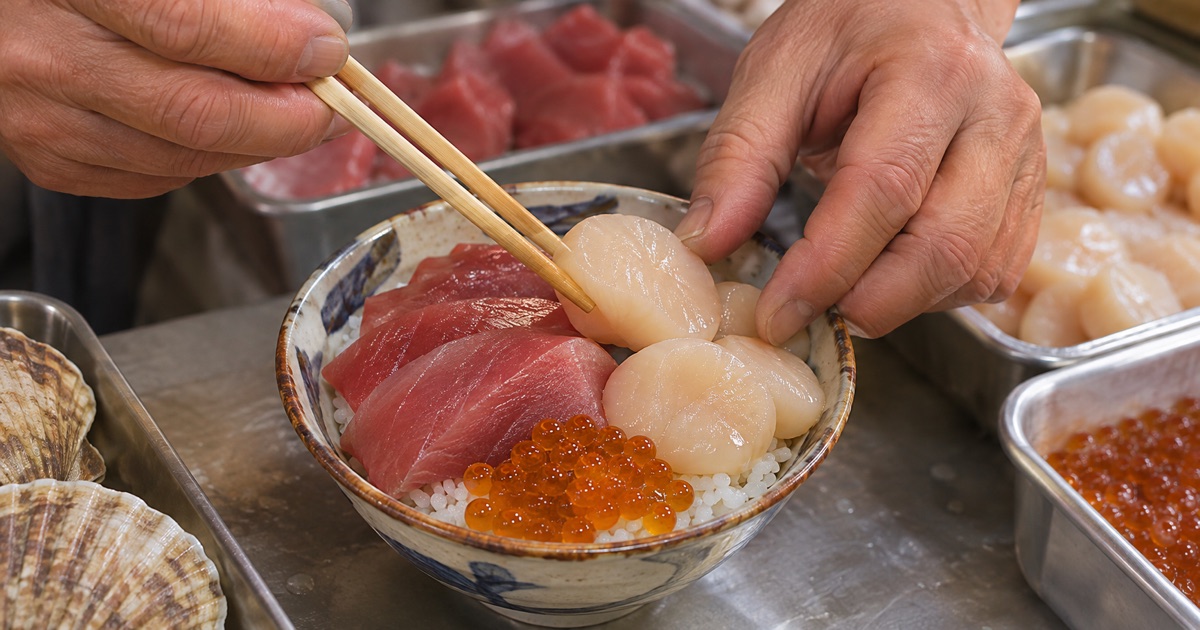
- Seafood Rice Bowl (Kaisen-don): Roughly 1,500 to 2,500 yen depending on fish cuts.
Always verify current opening hours, seasonal closures, and pricing via the Japan National Tourism Organization or local tourist information desks outside the main train gates before planning your dining stops.
Common Mistakes to Avoid
- Arriving Late in the Evening: Many of the most popular heritage curry houses and seafood kitchens cater heavily to lunch crowds and may close once their prepared soup stocks or fresh daily catch run out. Plan your main meal between 11:30 and 14:00 to avoid disappointment.
- Expecting Spicy Heat: Travellers accustomed to fiery curries often find Navy Curry surprisingly mild and sweet. View the dish as a comfort-food stew rather than a spicy pepper curry.
- Ordering Full-Size Portions Carelessly: Navy Burgers are built according to American military appetites, not typical petite Japanese portions. Ordering a large burger followed by a curry set will overwhelm most solo diners; consider sharing or scheduling meals across several hours.
FAQ
- Q. What is the most famous food to try in Yokosuka?
- A. Yokosuka Navy Curry (Kaigun Kare) is the city's most famous dish, traditionally served with a glass of milk, a small salad, and chutney.
- Q. How long does it take to travel from Tokyo to Yokosuka for a food day trip?
- A. A direct train journey from Tokyo Station or Shinagawa Station takes roughly 45 to 60 minutes depending on the train service chosen.
- Q. Are Yokosuka's signature foods suitable for vegetarians?
- A. Most traditional Yokosuka dishes contain beef, chicken broth, butter, or gelatin, making vegetarian options scarce outside of modern custom-order cafes.
Cite or share this article
Copy the link below. If you quote this article, please link to this page as the source.