Kawaguchiko Food Recommendations Near Mt
Key takeaways
- Houtou (flat noodles stewed with pumpkin in miso) is the essential regional dish around Lake Kawaguchi.
- Yoshida udon offers an ultra-chewy texture topped with boiled cabbage, horsemeat, and spicy suridane paste.
- Local freshwater smelt (wakasagi) and Koshu fruits provide distinct seasonal dining options throughout the year.
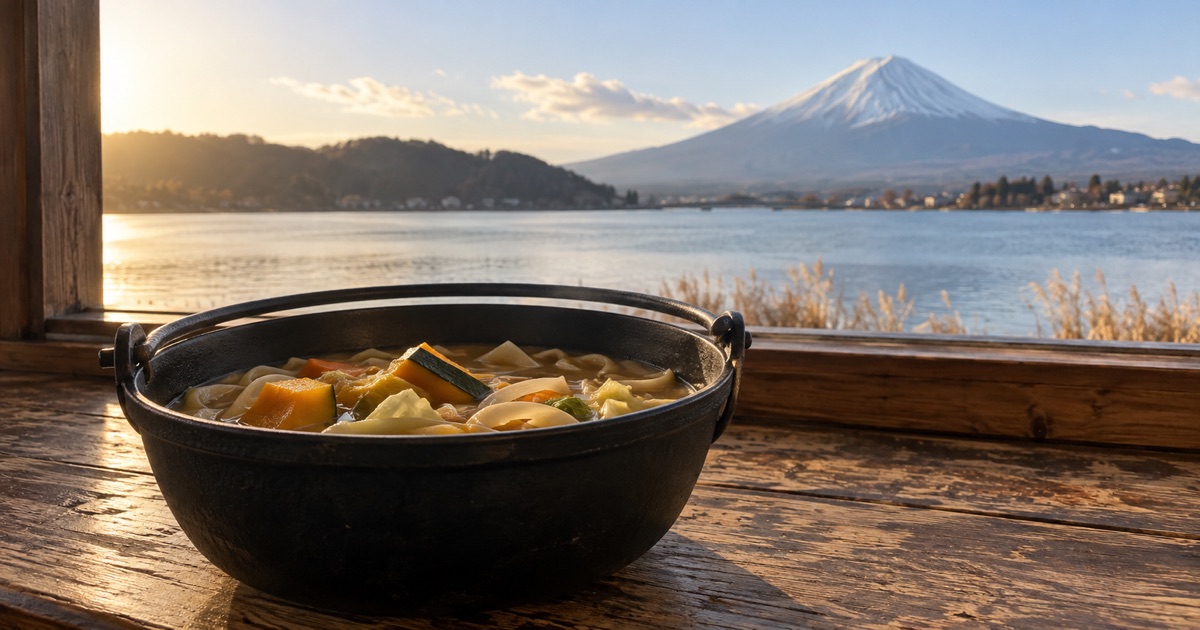
Kawaguchiko food recommendations center on hearty mountain specialties, especially houtou, a thick noodle hotpot simmered in pumpkin miso broth, and Yoshida udon, known for its firm chew. Around Lake Kawaguchi, visitors can also try seasonal freshwater smelt (wakasagi), high-altitude fruit desserts, and regional Koshu meats. These dishes reflect the area's agricultural history, where wheat and root vegetables thrived better than rice in the cold, volcanic terrain.
あわせて読む:Kawaguchiko Food Specialty Guide: What to Eat Near Mt. Fuji/Kawaguchiko Food Guide: What and How to Eat Around Mt. Fuji/Hakone Food Recommendations: What to Eat
Located in Yamanashi Prefecture (山梨県) at the northern base of Mount Fuji, the Lake Kawaguchi area developed a unique food culture rooted in agricultural survival. High elevation, cold mountain winds, and volcanic soil historically made rice cultivation difficult. As a result, locals turned to hardy wheat, buckwheat, and root vegetables, creating nourishing comfort foods designed to warm travelers and farm laborers.
For international visitors, dining around the lake is straightforward even without Japanese language skills. This guide explores the must-try regional dishes, how to order and eat them, common dietary considerations, and essential practical tips for smooth dining near Kawaguchiko Station (河口湖駅).
The Definitive Regional Dish: Houtou
No culinary trip to Lake Kawaguchi is complete without houtou. Officially recognized as a heritage agricultural dish by Japan's Ministry of Agriculture, Forestry and Fisheries, this one-pot meal sustained local households for centuries.
What Is Houtou?
Houtou consists of broad, flat wheat noodles that resemble oversized fettuccine. Unlike standard udon, the dough is not left to rest, and the noodles are not boiled separately before being added to the soup. Instead, raw, heavily floured dough goes directly into a bubbling pot of broth. As the starch cooks, it naturally thickens the soup into a rich, stew-like consistency.
The soup base combines local fermented soybean paste (miso) with a dashi stock typically made from dried sardines (niboshi) or bonito flakes. The defining ingredient is Japanese pumpkin (kabocha), which breaks down slightly during cooking, tinting the broth orange and lending a gentle, natural sweetness. Other regular additions include shiitake mushrooms, leeks (negi), carrots, taro roots (satoimo), Chinese cabbage, and sliced pork or chicken.
How It Is Served and Eaten
- The Vessel: Houtou is almost universally brought to the table boiling hot inside a heavy cast-iron pot (tetsunabe), set upon a wooden trivet.
- The Technique: Because the pot retains extreme heat, do not eat directly from it. Use the provided wooden ladle to transfer manageable portions of noodles, broth, and stewed pumpkin into your small ceramic side bowl (tousuiro).
- Condiments: Enhance the rich miso flavor by shaking a sprinkle of shichimi togarashi (seven-spice chili mix) into your small bowl midway through the meal.
Dietary and Allergen Notes
Houtou relies heavily on wheat flour (gluten) and soy (miso broth). While it appears to be a vegetable-heavy dish, the traditional soup stock uses fish-based dashi, and many versions incorporate pork. Travelers adhering to strict vegetarian, vegan, or halal diets should confirm the stock composition before ordering.
Intense Chew: Yoshida Udon
Originating in the neighboring town of Fujiyoshida, just minutes from Lake Kawaguchi by the Fujikyuko Line, Yoshida udon is renowned across Japan for having what may be the firmest, chewiest noodles in the country.
Defining Characteristics
Historically, Fujiyoshida was a thriving textile production hub. Local men prepared lunches so female weavers would not have to interrupt their machine work. To keep manual workers full throughout long shifts, they kneaded wheat dough with minimal water, creating dense, muscular noodles that demand serious chewing.
Key elements of authentic Yoshida udon include:
- A Mixed Broth: The soup blends miso and soy sauce (shoyu) together over a base of dried fish and kelp stock.
- Unique Toppings: Rather than the tempura flakes or scallions seen in urban noodle shops, Yoshida udon is topped with lightly blanched, crunchy green cabbage and seasoned horsemeat (sakura-niku) or sweet-simmered beef.
- Suridane (すりだね): A signature spicy condiment made by roasting sesame seeds, chili peppers, and sesame oil. Every local noodle shop crafts its own proprietary blend. Stirring a small dollop into your broth transforms the flavor profile with deep smokiness and heat.
Ordering Style and Variations
Yoshida udon can be ordered warm in broth (kake), cold with dipping sauce (tsuke), or cold with warm broth poured over (hiyashi). First-time visitors generally find the classic warm bowl with meat and cabbage the most satisfying entry point.

We are working to carry Japanese craft and everyday culture beyond Japan, by building Japan Towns with local partners.
Read the Japan Town plan →Lakeside Specialties: Wakasagi (Freshwater Smelt)
Lake Kawaguchi is an active freshwater fishery, famous for wakasagi (Japanese pond smelt). These small, slender fish flourish in the cold volcanic lake waters.
How to Eat Wakasagi
- Tempura: The most popular preparation. Whole fish—heads, tails, and bones included—are lightly battered and deep-fried until golden and crisp. Dip them simply into coarse sea salt or a light dipping broth (tentsuyu).
- Karaage: Coated in light starch and fried dry, providing a crunchy snack with a mild, slightly sweet white-flesh flavor.
- Nanbanzuke: Fried smelt marinated in sweet vinegar, soy sauce, and thinly sliced chili peppers, usually served chilled as an appetizer.
Because the bones are soft and entirely edible, wakasagi tempura is exceptionally easy to eat and serves as an excellent introduction to whole-fish dining in Japan.
Regional Meats and Yamanashi Fruit
Beyond noodles and fish, the surrounding Yamanashi countryside provides distinct proteins and orchard produce featured prominently on Kawaguchiko menus.
Fujizakura Pork and Koshu Beef
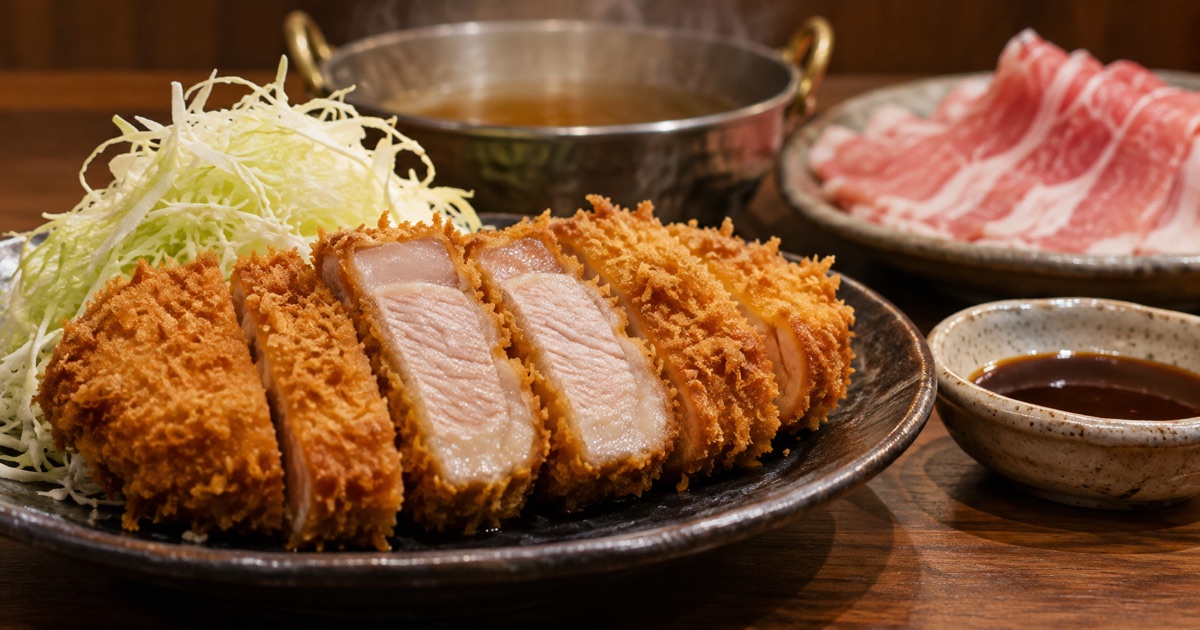
- Fujizakura Pork (富士桜ポーク): Named after the Mount Fuji cherry blossom, this regional pork brand comes from hogs raised on local feed and mineral-rich mountain water. It is known for fine marbling, tender texture, and sweet fat, often featured in tonkatsu (breaded cutlets) and hotpot.
- Koshu Wine Beef (甲州ワインビーフ): Beef cattle fed fermented grape pomace left over from the Yamanashi wine-making process. The resulting meat offers deep umami and clean-finishing fat, frequently served in steak bowls, sukiyaki, or skewers near tourist hubs.
Koshu Fruit and Mount Fuji Sweets
Yamanashi is widely heralded as Japan's premier fruit kingdom. Depending on the time of your visit:
- Strawberries: Late winter through spring.
- Peaches and Plums: Mid-to-late summer.
- Koshu Grapes and Shine Muscat: Late summer through autumn.
Near the lake promenade, you will find fruit parfaits, soft-serve ice cream infused with Shine Muscat juice or lavender, and Mount Fuji-shaped butter cookies (sablé) that make classic travel gifts (omiyage).
Practical Dining Tips for Visitors
Planning your meals around Lake Kawaguchi requires a bit more timing awareness than dining in major hubs like Tokyo or Osaka.
Lunch vs. Dinner Timing
- Lunch Peak: Many traditional noodle spots operate exclusively during lunchtime, roughly between 11:00 and 14:00. Once their daily dough is sold out, they close.
- Early Dinners: Restaurants around Kawaguchiko Station and along the lakeshore often close early compared to big cities. Kitchens frequently stop taking orders between 19:00 and 20:00. If you are staying in a hotel that does not provide dinner, plan your evening meal before late night sets in.
Payment and Language
While prominent venues near transit hubs accept IC transit cards (like Suica or Pasmo) and credit cards, smaller rural noodle shops may only accept cash (Japanese yen). Look for ticket vending machines (shokkenki) near the entrance of casual diners: insert cash first, push the button corresponding to your dish, and hand the printed slip to the counter staff.
How to Get There
Direct highway buses run regularly between Tokyo's Shinjuku Expressway Bus Terminal and Kawaguchiko Station, taking approximately 1 hour and 45 minutes depending on highway traffic. Alternatively, travelers can take the JR Chuo Line train to Otsuki Station (大月駅) and transfer to the scenic Fujikyuko Line down to Kawaguchiko. For comprehensive rail pass information, check the Japan National Tourism Organization before your departure.
FAQ
- Q. What is the most famous food to eat in Kawaguchiko?
- A. Houtou (ほうとう) is the most famous dish, featuring wide wheat noodles simmered with pumpkin, seasonal vegetables, and miso broth in an iron pot.
- Q. How does Yoshida udon differ from standard Japanese udon?
- A. Yoshida udon (吉田のうどん) uses exceptionally firm, chewy noodles and is traditionally served with boiled cabbage, savory horsemeat or beef, and a chili condiment called suridane.
- Q. Are vegetarian meals easy to find around Lake Kawaguchi?
- A. While houtou looks plant-based, its broth often uses dried fish stock (dashi), so diners avoiding animal products must check broth ingredients beforehand.
Cite or share this article
Copy the link below. If you quote this article, please link to this page as the source.