Kumano Kodo Trail Food: What to Eat on the Pilgrimage Route
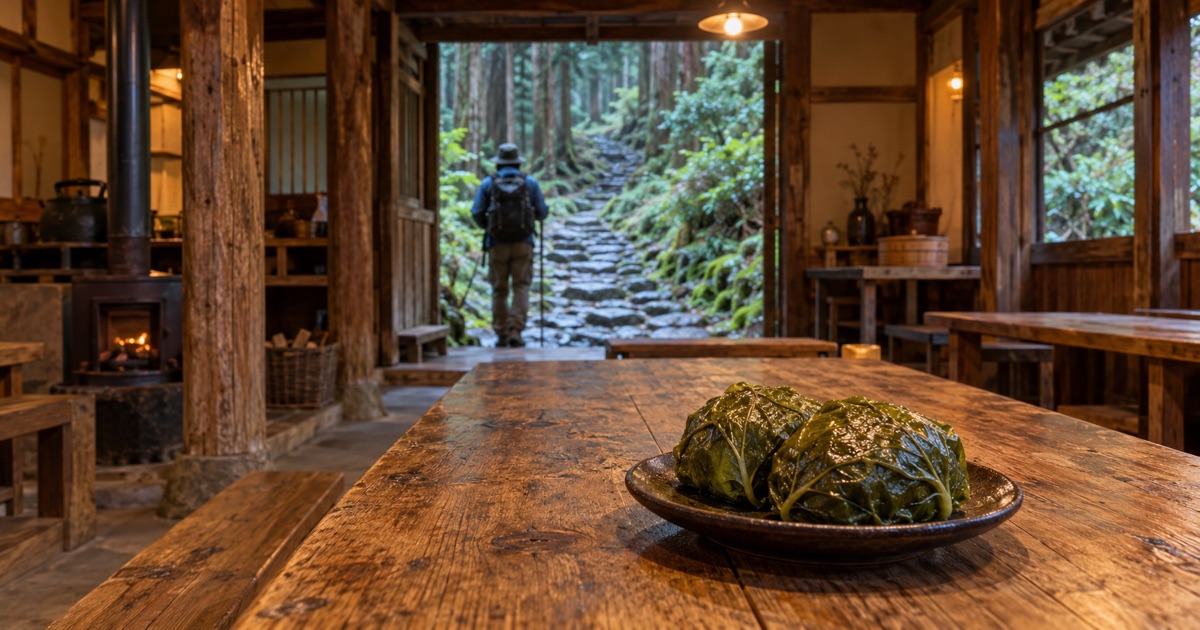
Key takeaways
- Shops and restaurants are scarce on most Kumano Kodo sections, so hikers should carry food bought the morning of each walking day.
- Traditional minshuku and ryokan along the route serve set dinners featuring mountain vegetables, river fish, and local mountain-grown rice.
- Mejiro-gaki persimmons, Kumano citrus, and mountain tea are regional specialties tied to the Kii Peninsula's food culture.
What Food Is Available on the Kumano Kodo Trail?
Food options on the Kumano Kodo are limited once you leave the towns, so most hikers carry a packed lunch and snacks bought that morning, then eat a full dinner at their overnight inn. The trail passes through forested mountains with long stretches between villages, meaning restaurants, vending machines, and shops are far less frequent than on an ordinary city sightseeing day. Planning food around your walking schedule, rather than expecting to find something along the way, is the single most important habit for a smooth trip.
The Kumano Kodo (熊野古道) is a network of ancient pilgrimage routes on the Kii Peninsula in Wakayama Prefecture, leading to three grand shrines collectively known as Kumano Sanzan. Because the trail is historic and rural rather than built for modern tourism infrastructure, understanding what to eat, when, and where takes a bit of preparation.
Why Food Planning Matters Here
Unlike city walks where a konbini (convenience store) appears every few blocks, sections of the Kumano Kodo — particularly the Nakahechi route between Takijiri-oji (滝尻王子) and Hongu (本宮) — can involve several hours of walking through forest with no shops at all. Mobile signal can also be unreliable in the mountains, so it's not practical to search for a place to eat once you're on the trail. The safest approach is to treat each walking day like a day hike: breakfast before departure, a packed lunch and snacks for the trail, and dinner arranged at your lodging.
What to Buy Before You Start Walking
Onigiri, Bread, and Other Portable Staples
In towns with a train station or a cluster of shops — such as Kii-Tanabe (紀伊田辺), Kumano-Hongu area, or Nachi — you can typically find onigiri (rice balls), sandwiches, pastries, and bottled drinks at a convenience store or small grocery. Onigiri fillings vary, with salted salmon, pickled plum (umeboshi), and tuna mayonnaise being common choices that travel well without refrigeration for a few hours. These are easy, mess-free trail food that most first-time visitors recognize instantly.
Local Bakeries and Small Shops
Some trailhead towns have small bakeries or general stores selling bread, rice crackers, and local snacks. Availability is inconsistent and depends on the day and time, so it's best not to count on finding a specific shop open — buy what you see rather than waiting for something better further on.
What to Bring From Bigger Cities
If your trip starts in Osaka, Kyoto, or Shirahama, it can help to pack a few shelf-stable snacks — nuts, dried fruit, energy bars, or Japanese rice crackers (senbei) — before heading into the mountains, since choices shrink considerably once you're in rural Wakayama.

We are working to carry Japanese craft and everyday culture beyond Japan, by building Japan Towns with local partners.
Read the Japan Town plan →Mountain Vegetables and Regional Ingredients
Sansai: Wild Mountain Vegetables
A notable feature of food in this region is sansai (山菜), wild mountain vegetables gathered from the hillsides. These might appear simmered, pickled, or as tempura in inn dinners, and often include ferns, bamboo shoots in season, and various edible greens unfamiliar to visitors from outside Japan. Flavors tend to be earthy and slightly bitter compared to cultivated vegetables.
River Fish and Local Specialties
Ayu (sweetfish), a freshwater fish, is a classic ingredient in mountain river regions of Japan, often grilled whole with salt. Kumano and the wider Kii Peninsula are also known for citrus fruits and for mejiro-gaki, a variety of persimmon sometimes dried into a sweet preserved snack. These show up seasonally in markets, inn meals, or occasionally as souvenirs.
Kumano Area Rice and Tea
Rice grown in mountain terraces and local green tea are part of everyday meals here, much as in other rural parts of Japan, and often form the backbone of the inn breakfast and dinner.
Where and What to Eat Each Day
Breakfast
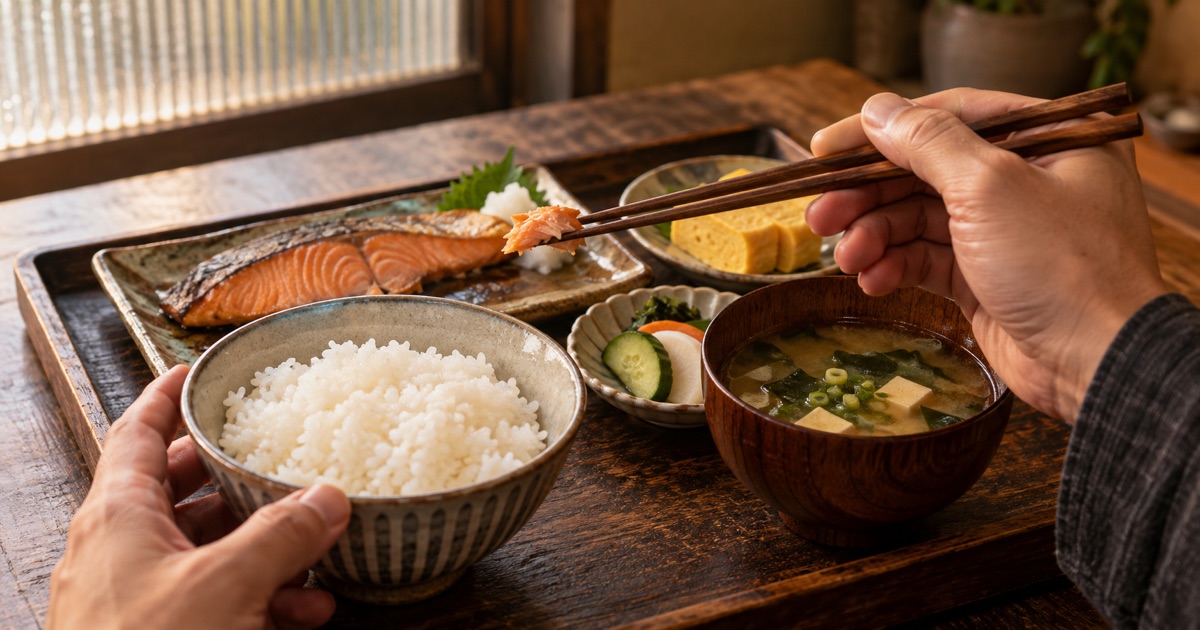
Most ryokan and minshuku (traditional Japanese inns and guesthouses) along the Kumano Kodo serve breakfast, typically rice, miso soup, grilled fish, a small salad or pickles, and perhaps a simple egg dish. This is usually included in the room rate; confirm this with your lodging in advance since policies vary.
Lunch on the Trail
Because trailside restaurants are scarce, lunch is almost always a packed meal eaten at a rest area, a shrine courtyard, or simply beside the path. Bring more water than you think you'll need, especially in summer, and pack out any trash, as there are few or no bins along the route.
Dinner at Your Inn
Dinner is often the most memorable meal of the day for Kumano Kodo hikers. Many inns serve a multi-course set meal in the kaiseki style, featuring small dishes of seasonal vegetables, tofu, local fish, and rice, with servings sized for the day's exertion. If you have allergies or dietary restrictions, including common allergens like shellfish, wheat (found in soy sauce), or buckwheat (in soba), inform your accommodation when booking, since menus are usually fixed and prepared in advance.
Common Mistakes First-Time Visitors Make
Assuming Shops Will Appear
The most frequent planning error is assuming a shop or vending machine will turn up somewhere on a multi-hour trail segment. On many stretches it won't, so stock up before you start walking for the day.
Not Carrying Enough Water
Mountain weather and physical exertion mean water needs are higher than in city sightseeing. Carry at least one to two liters per person for longer segments, more in hot months, and refill at every opportunity in towns.
Skipping Breakfast to Start Early
Some hikers skip the inn breakfast to get an early start, but a filling breakfast is important fuel for walking days that can run several hours over uneven mountain terrain.
Expecting English Menus
Even in towns, English menus are not guaranteed. A translation app, or simply pointing at displayed food samples (common in many Japanese eateries), can help bridge the gap.
Planning Your Trip
For official information on access, trail conditions, and the wider Kii Peninsula pilgrimage routes (including the Kumano Kodo's connection to the UNESCO World Heritage listing shared with Spain's Camino de Santiago), the Japan National Tourism Organization is a reliable starting point. Opening hours, shop availability, and seasonal closures in this rural area can change, so always confirm details locally or with official sources before you travel, and build flexibility into your food plan for each walking day.
FAQ
- Q. Are there restaurants along the Kumano Kodo trail?
- A. Restaurants are rare on most sections, especially between villages; options concentrate in towns like Hongu, Nachi, and Shingu, so pack food for walking days.
- Q. What is a typical dinner at an inn on the Kumano Kodo?
- A. Expect a multi-course set meal with rice, miso soup, grilled river fish such as ayu, simmered mountain vegetables, and local pickles, often called a kaiseki-style dinner.
- Q. Can I buy food in the morning before starting a hike?
- A. Small shops and convenience stores exist in larger towns near trailheads, but once you start walking, options drop sharply, so buy breakfast and lunch before departure.
Cite or share this article
Copy the link below. If you quote this article, please link to this page as the source.