Nakasendo Trail Food: What to Eat on the Old Postal Road
Key takeaways
- The Magome-Tsumago section has limited food options, so eat breakfast before starting and carry water and snacks.
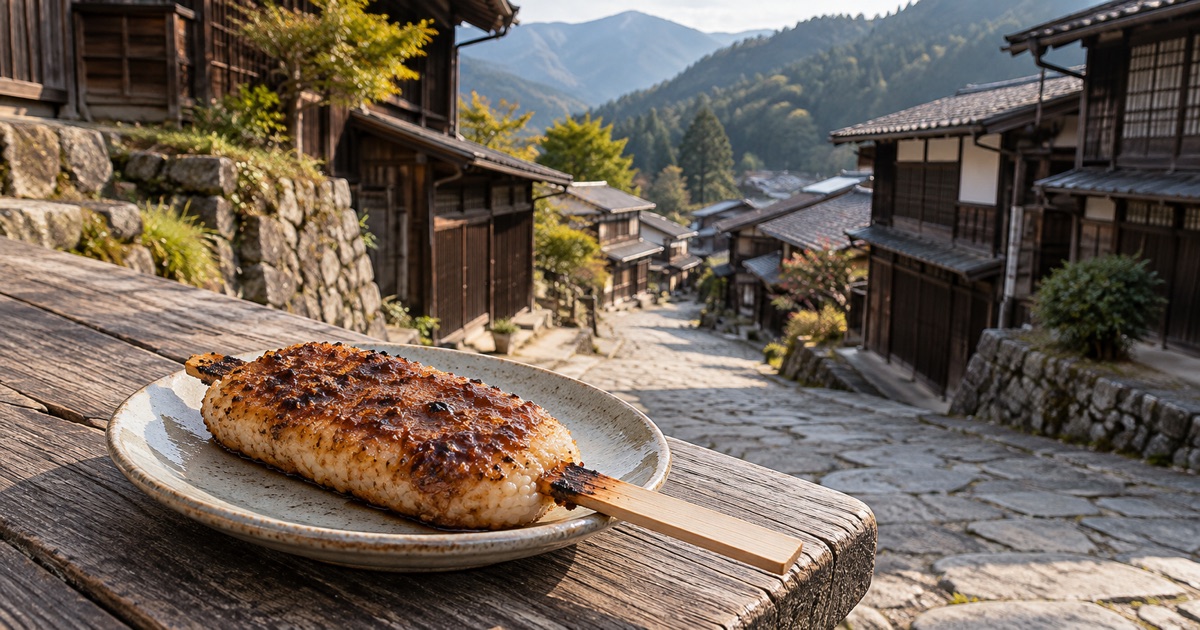
- Gohei mochi (五平餅), grilled rice cakes on a stick with a sweet miso or sesame glaze, is a signature walking snack sold along the trail.
- Soba (そば) made with local mountain buckwheat is the most common sit-down meal in both post towns, often served simply with dashi broth.
What Food Can You Eat on the Nakasendo Trail?
The Nakasendo Trail, particularly the popular Magome (馬籠) to Tsumago (妻籠) section in the Kiso Valley, offers hearty mountain-style Japanese food rather than convenience store variety, so plan meals around the two post towns rather than the trail itself. The most recognizable foods here are gohei mochi (五平餅), a grilled rice cake snack, and soba noodles made with local buckwheat, both reflecting the cold, mountainous terrain this historic road passes through.
This guide covers what to expect, what to eat, and how to plan meals so you are not caught hungry halfway up a mountain pass.
Why Food Options Are Limited on the Trail
The Nakasendo (中山道) was one of the main roads connecting Kyoto and Edo (modern Tokyo) during the Edo period, and the preserved Magome-Tsumago stretch runs roughly 8 kilometers through forest and farmland, taking most walkers around 3 to 4 hours at a relaxed pace. Unlike a city walk, there are no convenience stores along most of the route, and mobile signal can be patchy in places.
A few rest huts and small stands appear seasonally along the path, sometimes selling tea, simple snacks, or gohei mochi, but these are not guaranteed to be open, especially outside peak tourist seasons or in bad weather. The safest approach is to eat a proper breakfast in Magome or Nakatsugawa before setting out, carry water, and treat any trailside stand as a bonus rather than a meal plan.
Gohei Mochi: The Signature Trail Snack
Gohei mochi is the food most associated with this region and the Nakasendo Trail specifically. It is made from rice that is pounded or mashed (not fully pureed like regular mochi), shaped around a flat wooden skewer, and then grilled over charcoal. The grilled rice cake is coated in a sweet-savory glaze, typically based on miso or soy sauce, mixed with sugar and often ground sesame seeds or walnuts.
It is eaten by hand, straight off the skewer, while walking or standing, making it a practical hiker's snack. The flavor is smoky from the grill, slightly chewy, and sweeter than you might expect from a rice-based food. Because the glaze commonly contains soy and sometimes tree nuts (walnuts or sesame), travelers with allergies should check ingredients or ask before eating, as recipes vary by vendor.
Gohei mochi is found throughout the Kiso Valley and is not unique to one shop or town, so you may see it sold at small stands in both Magome and Tsumago, as well as at rest points along connecting roads.
Soba: The Regional Noodle Staple
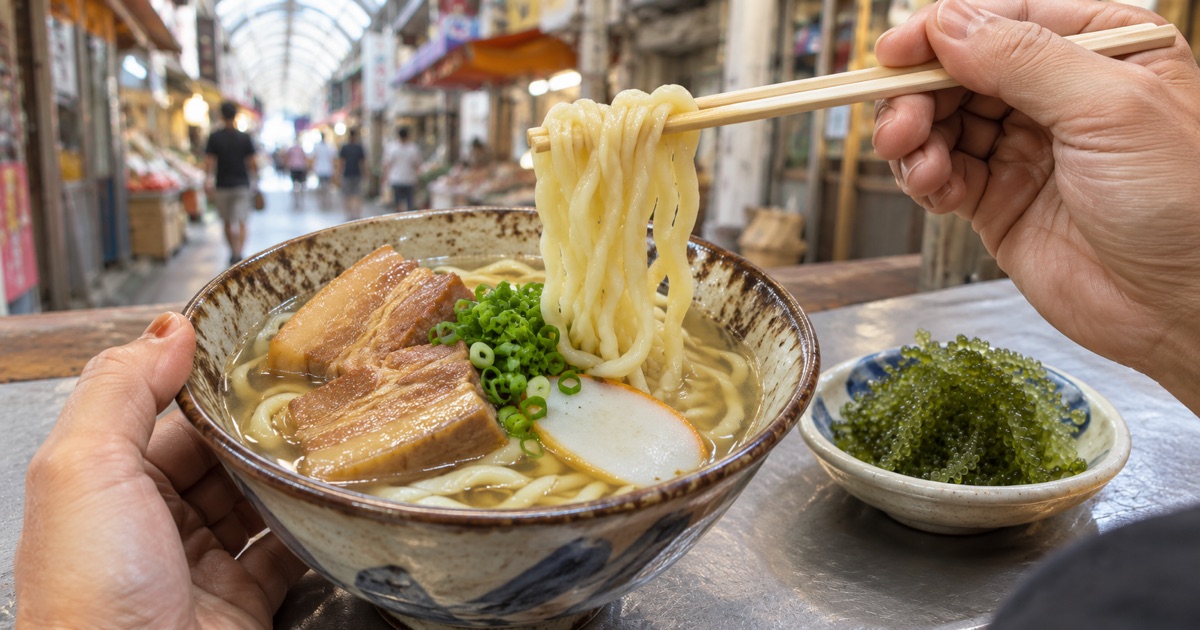
Soba (そば), buckwheat noodles, is the standard sit-down meal in this part of Nagano Prefecture. The mountainous terrain and cooler climate of the Kiso region are well suited to growing buckwheat, and local soba is often served simply to let the buckwheat flavor stand out.

Common styles include:
- Zaru soba (ざるそば): cold noodles served on a bamboo tray with a dipping sauce (tsuyu) made from dashi, soy sauce, and mirin.
- Kake soba (かけそば): noodles in hot broth, a better choice on cold or rainy hiking days.
Soba is eaten with chopsticks, and slurping is normal and not considered rude in Japan. The dipping sauce is usually diluted with a splash of the hot soba-yu (noodle cooking water) at the end of the meal in some regions, though this custom varies. Soba contains buckwheat and often soy (from the sauce), and dashi broth is traditionally made from bonito fish flakes, so it is not typically vegetarian unless specified.
Other Local Foods to Look For
Beyond gohei mochi and soba, the Kiso Valley area reflects general Nagano mountain cuisine:
- Sansai (山菜), wild mountain vegetables, often served pickled, simmered, or as a topping on soba, especially in spring.
- Houba miso (朴葉味噌), miso paste grilled on a dried magnolia leaf, a Gifu-Nagano border specialty that pairs well with rice.
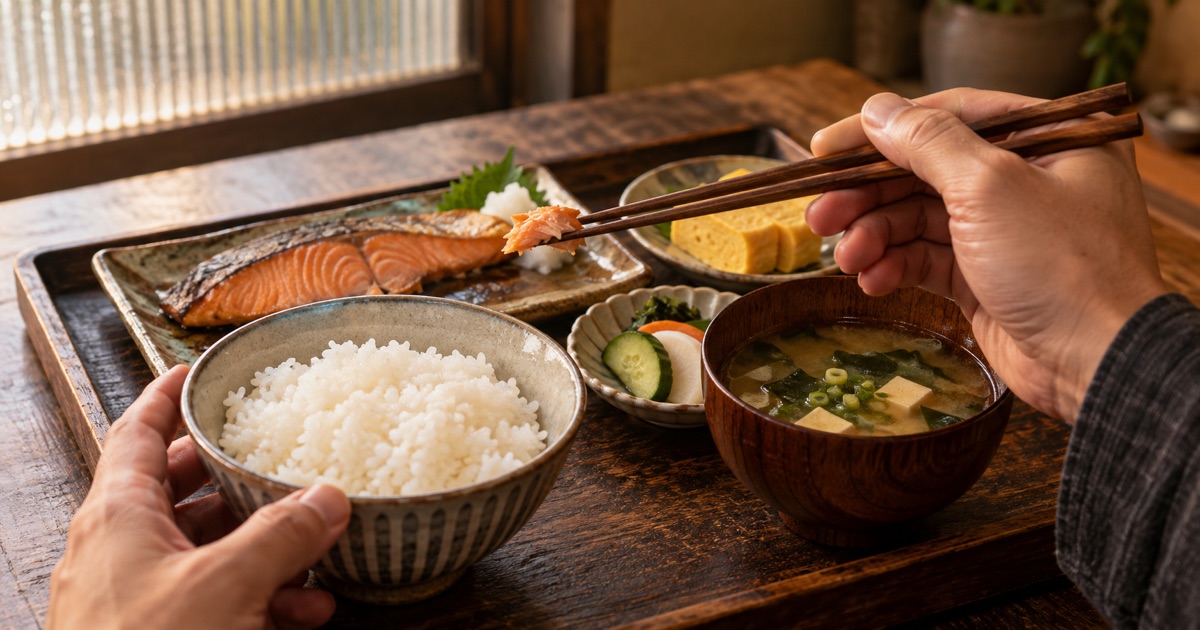
- Gohan teishoku (ご飯定食), a set meal with rice, miso soup, pickles, and a main dish, available at small eateries in the post towns for a more substantial lunch than a snack.
These dishes are rooted in a region far from the coast, so expect more mountain vegetables, preserved foods, and freshwater fish than seafood-heavy dishes.
Planning Meals Around the Walk
A practical day plan looks like this: eat breakfast in Magome or Nakatsugawa (中津川), start the walk by mid-morning, treat any trailside stand as a bonus snack stop, and plan your main meal for either late lunch in Tsumago or dinner after returning to a larger town. Because both Magome and Tsumago are small and popular with day-trippers, lunch spots can be busy or sell out of popular items around midday, so arriving early for lunch is wise.
Bring a refillable water bottle, as there are limited places to buy drinks mid-trail. A light snack such as an onigiri (rice ball) bought at a station convenience store beforehand is a reliable backup, since convenience stores are common at train stations like Nakatsugawa but not on the trail itself.
Common Mistakes First-Time Walkers Make
- Assuming shops are open all day: small-town eateries in Magome and Tsumago may close in the afternoon between lunch and dinner service, so check timing before you arrive rather than assuming all-day availability.
- Not eating before the walk: because trailside food is unreliable, starting hungry is a common and avoidable mistake.
- Expecting English menus everywhere: some smaller shops may have limited English signage; pointing at photos or using a translation app helps.
- Underestimating walking time: the Magome-Tsumago section takes longer than expected for some walkers, so budget extra time rather than rushing meals.
For general trip planning, including transport to the Kiso Valley, the Japan National Tourism Organization is a reliable official source, and opening hours or seasonal closures for any food stop should always be confirmed locally, as they can change without notice.
FAQ
- Q. Is there food available along the Nakasendo Trail itself, or only in the towns?
- A. There are a few rest stops and small stands selling snacks like gohei mochi along the Magome-Tsumago section, but options are limited, so most proper meals are eaten before departure or after arrival in a post town.
- Q. What is gohei mochi and is it safe for people with allergies?
- A. Gohei mochi is a pounded or mashed rice cake on a skewer, coated with a glaze usually made from miso, soy sauce, sugar, and ground sesame or walnuts, so it contains soy and tree nuts; always ask or check ingredients if you have allergies.
- Q. Do I need to book restaurants in advance in Magome or Tsumago?
- A. Many eateries in these small towns have limited seating and may close once they sell out, especially at lunchtime, so arriving early or having a backup plan is recommended rather than assuming a table will be available.
Cite or share this article
Copy the link below. If you quote this article, please link to this page as the source.