What Is Yokosuka Known For? Naval Food and Coastal Flavors
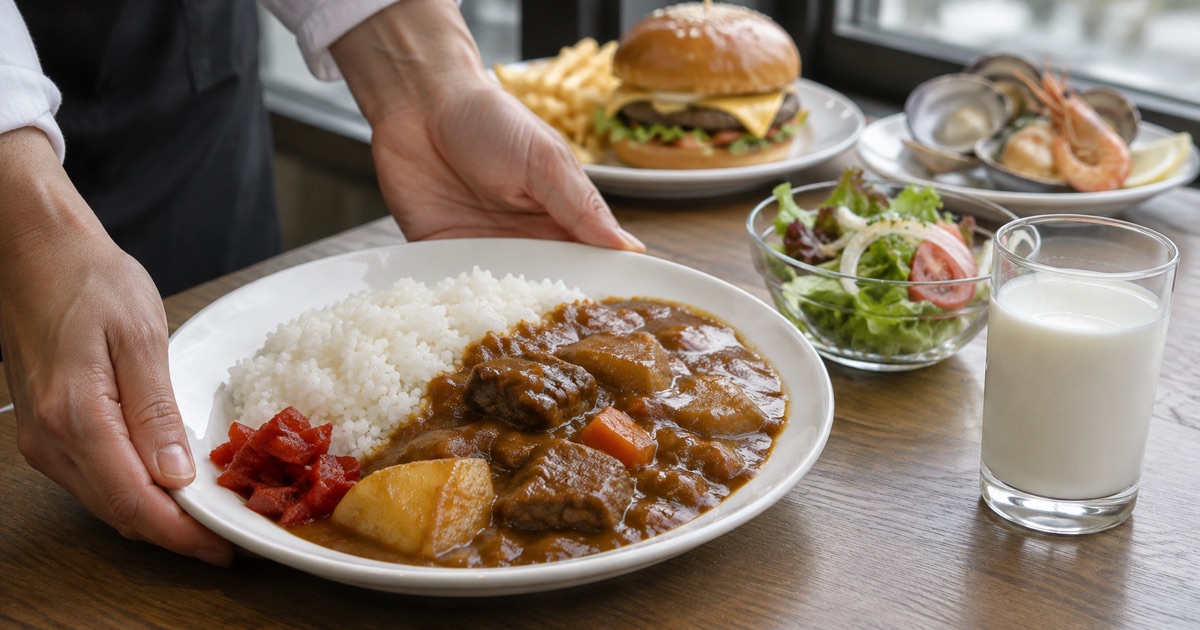
Key takeaways
- Yokosuka is famous for historic naval curry, giant burgers, and fresh local coastal seafood.
- Curry recipes follow heritage naval manuals, served traditionally with a side salad and milk.
- Located in Kanagawa Prefecture, Yokosuka is easily accessible by train from Tokyo in around an hour.
Yokosuka (横須賀) is best known for its rich naval culinary heritage, specifically historic Japanese navy curry and hearty American-style burgers, as well as fresh coastal seafood from the Miura Peninsula. Because of its long history as a pivotal port for the Japanese Maritime Self-Defense Force and the United States Navy, the city has developed a distinct food culture that blends classic Western military rations with Japanese home-style cooking.
For visitors traveling from Tokyo or Yokohama, Yokosuka offers an accessible look at how international military exchanges shaped modern Japanese comfort food. This guide explains what culinary traditions define the city, the ingredients behind its famous dishes, and how to enjoy them on a day trip.
The Maritime Roots of Yokosuka Food Culture
Yokosuka sits at the entrance of Tokyo Bay in Kanagawa Prefecture. During the Meiji period (1868–1912), the city transformed into an essential military port for the Imperial Japanese Navy. Decades later, following the end of World War II, Yokosuka also became home to a major United States naval base.
These dual military influences created a dining scene unlike anywhere else in Japan. While most Japanese coastal towns focus exclusively on raw fish and traditional seaweed preparations, Yokosuka embraced hearty, Western-inspired fare designed to fuel service members. Today, the local municipal government and culinary associations carefully protect these heritage recipes, ensuring that visitors taste dishes prepared according to authentic military standards.
To learn more about general travel in Kanagawa Prefecture, you can consult the Japan National Tourism Organization.
Yokosuka Kaigun Curry: A Japanese Naval Tradition
The single most famous dish associated with Yokosuka is Yokosuka Kaigun Curry (よこすか海軍カレー, Yokosuka Naval Curry).
What It Is
Kaigun Curry is a thick, mildly spiced Japanese curry made from beef or chicken, onions, carrots, and potatoes, served over white rice. What sets it apart from everyday Japanese home curry is its adherence to a recipe published in the 1908 Navy Culinary Reference Book (Kaigun Kappojutsu Sankosho). The British Royal Navy introduced curry stew to Japanese naval doctors in the late 19th century. Japanese cooks adapted the recipe by thickening the broth with a wheat flour and butter roux, creating a hearty sauce that adhered well to steamed white rice.
How It Is Served
To be certified as authentic Kaigun Curry, restaurants in the city follow strict traditional guidelines:
- Accompaniments: The curry rice must be served alongside a simple green salad and a glass of plain cow's milk. In the Meiji era, the navy served milk alongside curry to ensure sailors received sufficient calcium and vitamins to prevent nutritional deficiencies like beriberi.
- Chutney and Pickles: A small dish of sweet fruit chutney or red pickled daikon radish (fukujinzuke) typically rests on the side to balance the rich sauce.
Allergen and Ingredient Information
Authentic naval curry roux relies heavily on wheat flour (komugiko) and dairy butter. Beef, pork, or chicken stock forms the base, making traditional versions unsuitable for strict vegetarian or gluten-free diets. For detailed macronutrient profiles of Japanese-style curry roux, refer to official nutrient resources like the MEXT Food Composition Database.

We are working to carry Japanese craft and everyday culture beyond Japan, by building Japan Towns with local partners.
Read the Japan Town plan →Yokosuka Navy Burger: American Diner Flavors in Japan
Alongside curry, Yokosuka is renowned across Japan for the Yokosuka Navy Burger (ヨコスカネイビーバーガー).
What Sets It Apart
Unlike typical Japanese fast-food burgers or delicate wagyu sliders, the Navy Burger is a direct descendant of traditional United States Navy mess-hall fare. In 2008, the Commander of the U.S. Navy base in Yokosuka presented the mayor of Yokosuka with an official recipe for shipboard hamburgers to celebrate city-base relations.
Key characteristics include:
- Lean Beef Patties: Patties are made strictly from 100-percent ground beef, without breadcrumbs (panko) or eggs mixed into the meat. The patties are substantial, often weighing between 170 and 225 grams (6 to 8 ounces).
- Minimal Kitchen Seasoning: The meat is lightly seasoned with salt and black pepper while griddled, leaving the core flavor clean and meaty.
- Customization at the Table: Instead of being drenched in premade sweet sauces, the burger arrives on a sturdy bun with raw onion, sliced tomato, and crisp lettuce. Diners apply their own ketchup and yellow mustard at the table to taste.
How to Eat It
Because these burgers are unusually large by Japanese standards, diners are provided with paper wrapping sleeves. Place the entire burger inside the sleeve, press down gently with two hands to compress the bun and ingredients, and eat it without removing it from the paper. This keeps the juices and condiments from spilling onto your hands.
Cherry Cheesecake and Navy Sweets
Yokosuka's dessert scene also mirrors its naval ties. In 2009, the city introduced the Yokosuka Cherry Cheesecake as an official sister food to the Navy Burger.
This dessert is a dense, rich New York-style baked cheesecake made with cream cheese, sour cream, and sugar, topped with a tart cherry compote or whole sour cherries. The contrast between the rich cheese filling and the acidic fruit cutting through the fat makes it a popular finish after a savory meal. Common allergens include dairy, eggs, and wheat.
Coastal Seafood and Miura Produce
While military fare dominates tourism headlines, Yokosuka also benefits from its location on the Miura Peninsula. The surrounding waters provide excellent access to coastal seafood:
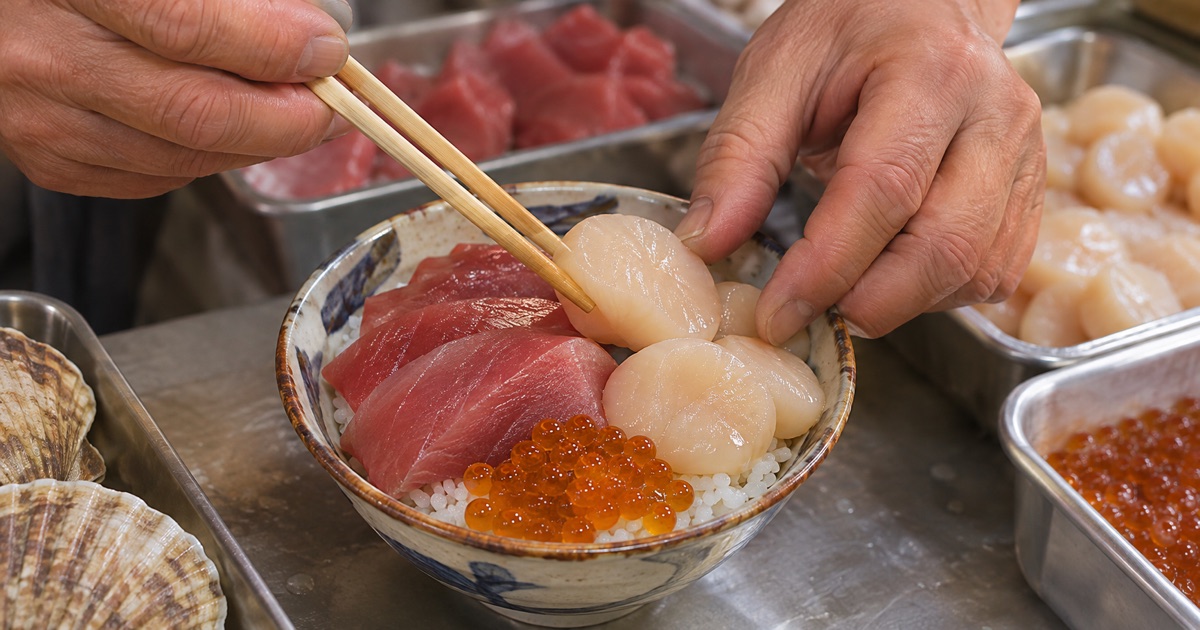
- Nama-shirasu (生しらす): Raw baby sardines, translucent and delicate, harvested from local bays and served over bowls of warm rice when in season.
- Tuna (Maguro, マグロ): Neighboring Misaki Port is one of Japan's leading deep-sea tuna hubs, meaning Yokosuka markets and eateries feature high-grade raw, simmered, and grilled tuna.
- Miura Daikon and Cabbage: The peninsula's volcanic soil and warm maritime climate yield exceptionally sweet winter radishes and tender spring cabbage, widely featured in local vegetable side dishes.
Practical Tips for Visiting Yokosuka
Getting There by Train
Yokosuka is roughly 60 to 75 minutes from central Tokyo:
- Keikyu Main Line: Board a Limited Express or Rapid Limited Express from Shinagawa Station (品川駅) directly to Yokosuka-Chuo Station (横須賀中央駅). This station puts you closest to the downtown commercial district and prominent burger and curry venues.
- JR Yokosuka Line: Board a train from Tokyo Station (東京駅) directly to JR Yokosuka Station (横須賀駅). This scenic station sits right on the water next to Verny Park, though it is a slightly longer walk to the central shopping avenues.
Train schedules and operational statuses change due to weather or maintenance. Check current transit schedules directly with the train operator or using official travel apps before departing.
Ordering and Etiquette
- Cash and IC Cards: While major chain stores take credit cards, historic curry cafes and seaside stalls in Yokosuka may accept only Japanese yen cash or transit IC cards (like Suica or Pasmo). Carry roughly 3,000 to 5,000 yen in cash per person for meals and incidentals.
- Takeout vs. Eat-in: Many burger spots offer takeout, but public trash cans are rare in Japan. If you order takeout, plan to eat in designated park areas and be prepared to pack your trash back to your hotel or disposal bins at the shop.
- Portion Sizes: Naval dishes in Yokosuka are noticeably larger than standard Japanese restaurant portions. If you plan to sample both curry and burgers on the same day, consider splitting dishes or scheduling your meals with several hours of walking in between.
- English Menus: Due to the adjacent naval base, English menus and English-speaking staff are more common in downtown Yokosuka than in many other suburban Japanese cities, making it exceptionally welcoming for first-time overseas visitors.
FAQ
- Q. Why is Yokosuka known for curry?
- A. Yokosuka was a major base for the Imperial Japanese Navy, which served British-influenced wheat-thickened curry with rice to prevent nutritional deficiencies like beriberi.
- Q. What makes Yokosuka Navy Burger different from regular burgers?
- A. Yokosuka Navy Burgers use simple, lean 100-percent beef patties with minimal seasoning, designed for diners to customize themselves at the table using mustard and ketchup.
- Q. What allergens are commonly found in Yokosuka's signature foods?
- A. Yokosuka curry commonly contains wheat flour and dairy, while naval burgers contain wheat buns, sesame, and dairy cheese. Seafood dishes contain finfish and shellfish.
Cite or share this article
Copy the link below. If you quote this article, please link to this page as the source.