What to Eat in Nagasaki Chinatown
Key takeaways
- Champon and sara udon are Nagasaki Chinatown's signature noodle dishes, both built on a pork-and-seafood broth or sauce base.
- Most dishes contain wheat, pork, shellfish, and sesame, so travelers with allergies should check ingredients before ordering.
- Nagasaki Shinchi Chinatown (長崎新地中華街) is walkable from JR Nagasaki Station in roughly 15-20 minutes or a short tram ride.
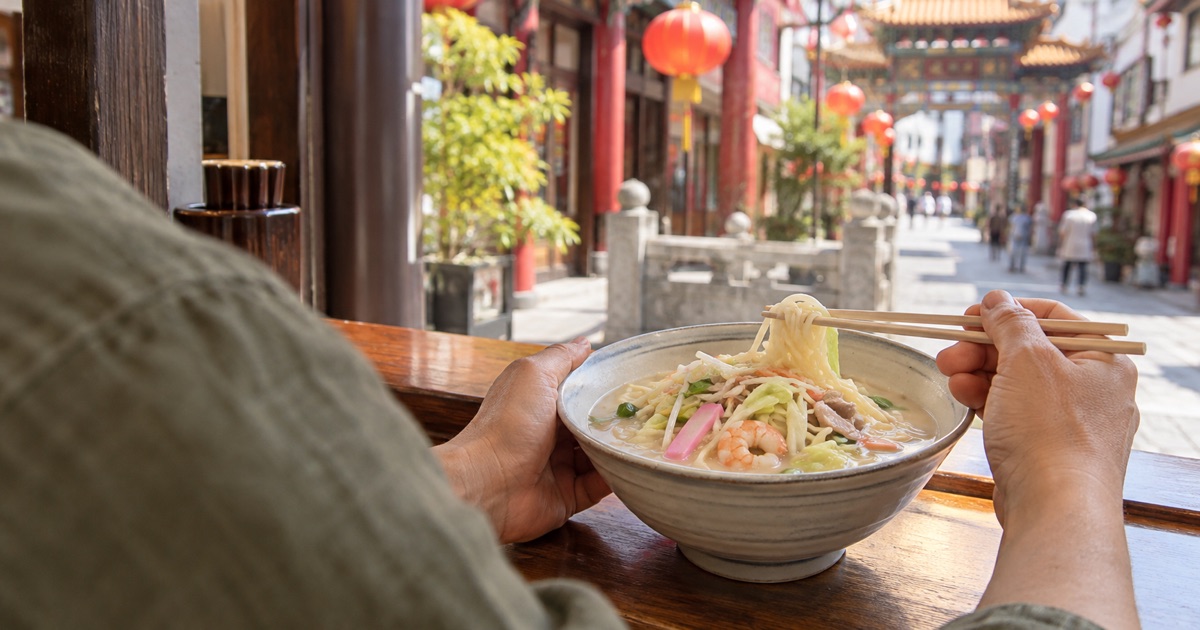
When deciding what to eat in Nagasaki Chinatown, the top two signature dishes to try first are champon and sara udon. Champon is a rich noodle soup loaded with pork, seafood, and vegetables, while sara udon features crispy or soft noodles topped with a similar stir-fried mix in a thick sauce. Both historic dishes reflect the area's distinct local culinary heritage.
あわせて読む:What to Eat in Arashiyama: A First-Timer's Food Guide/What to Eat in Okinawa Naha: A First-Timer's Food Guide/Nagasaki Food: A First-Timer's Guide to What to Eat and Why
What to Eat in Nagasaki Chinatown
The two dishes to try first in Nagasaki Chinatown (長崎新地中華街) are champon (ちゃんぽん), a thick noodle soup loaded with pork, seafood, and vegetables, and sara udon (皿うどん), crispy or soft noodles topped with a similar stir-fried mix in a thicker sauce. Both dishes were developed by the local Chinese community over a century ago and remain the reason most visitors come to this small but historic neighborhood.
Nagasaki Chinatown is one of Japan's three major Chinatowns, alongside Yokohama and Kobe, but it has its own identity shaped by centuries of trade contact with China during Japan's period of limited foreign access. The food here reflects that mixed heritage: it is not quite mainland Chinese cuisine and not quite standard Japanese cuisine, but a distinct local style often called Nagasaki shippoku-influenced Chinese food.
Champon: The Signature Noodle Soup
Champon is a one-bowl meal built on a milky pork-bone and chicken broth, often enriched with seafood stock. Thick, chewy wheat noodles sit in the soup along with a mix of pork slices, squid, shrimp, fish cake, cabbage, bean sprouts, and other vegetables, all quickly stir-fried before being added to the broth. The result is filling, mildly savory, and generally not spicy.
Expect a large bowl; this is usually a full meal rather than a side dish. Most versions contain wheat (noodles), pork, shellfish, and sometimes egg, so these are worth noting if you have food allergies. Staff may not always have an English allergen list, so it is safer to ask directly or use a translation app to confirm ingredients before ordering.
Sara Udon: Crispy or Soft, Your Choice
Sara udon shares the same toppings as champon, but the noodles and presentation differ. "Sara" means plate, and the dish is served on a flat dish rather than in a soup bowl. There are two main noodle styles:
- Crispy (pan-fried) noodles, which are thin and deep-fried until crunchy, then topped with the hot stir-fried pork-and-seafood mixture and sauce just before serving.
- Soft noodles, thicker and closer to champon's noodles, stir-fried directly with the toppings.
If you are unsure which to order, crispy-style is the more commonly recommended version for first-time visitors, since the texture contrast between the crunchy noodles and the warm, thick sauce is part of what makes the dish distinctive. Some shops let you choose; others only serve one style, so check the menu or photos outside before sitting down.
Chinese-Style Buns and Street Snacks
Beyond the two noodle dishes, Nagasaki Chinatown has a number of walk-up stalls selling steamed and baked buns, similar in spirit to what you might find in Yokohama Chinatown but with local variations. Common items include:
- Butaman (豚まん) – steamed buns filled with seasoned pork, usually eaten by hand while walking.
- Kakuni manju (角煮まんじゅう) – a Nagasaki specialty featuring a soft steamed bun folded around a slice of slow-braised pork belly (kakuni). This is one of the most distinctly "Nagasaki" snacks you can find in the area and is worth trying even if you are not otherwise hungry.
- Various fried or grilled skewers and dumplings, which rotate seasonally.
These snacks are generally easy to eat on the move, which makes them a good option if you are short on time or want to sample several things rather than commit to one large bowl of noodles.

How to Order Without Reading Japanese
Most shops in Nagasaki Chinatown display plastic food models or photo menus outside, which makes ordering manageable even without Japanese reading ability. A few practical tips:
- Look at the displayed photo or model, then point and say "kore" (this) while showing it to staff — this is widely understood and not considered rude.
- Menus sometimes list champon and sara udon by size (regular/large), so confirm portion size if you are unsure how hungry you are; champon portions can be substantial.
- Payment is often cash-based at smaller shops, though cashless payment is becoming more common; carrying some cash is a safe backup.
- Lunch hours (roughly midday into early afternoon) tend to be the busiest; arriving slightly earlier or later can mean a shorter wait.
A common mistake first-time visitors make is assuming champon and sara udon are interchangeable — they share toppings but are textured and served completely differently, so it is worth trying both on separate visits if your schedule allows.
Getting to Nagasaki Chinatown
Nagasaki Chinatown is centrally located and easy to reach on foot or by tram from JR Nagasaki Station (長崎駅):
- On foot: roughly 15-20 minutes, depending on your pace and the route.
- By tram: Nagasaki's local tram network connects the station area to stops near Chinatown in a few minutes; tram fares are generally low and flat-rate, but confirm current fares at the platform or on signage, as these can change.
Because Nagasaki's tram system is simple and affordable, many visitors find it more convenient than walking, especially with luggage or in hot or rainy weather. If you plan to use trams multiple times in a day, ask about day-pass options at the tourist information counter near the station, as availability and pricing can change.
Best Times to Visit
Nagasaki Chinatown is particularly lively during Chinese New Year celebrations (usually held in late January or February, following the lunar calendar), when lantern displays and street events draw larger crowds. Outside of that period, weekday lunchtime tends to be calmer than weekends, which can make it easier to get a seat at smaller noodle shops without a long wait.
A Few Practical Notes
- Allergens: wheat, pork, shellfish (shrimp, squid), egg, and sesame appear frequently across champon, sara udon, and the bun varieties. There is no guarantee that all shops can accommodate dietary restrictions, so confirm in advance where possible.
- Portion sizes: champon in particular is often larger than a typical ramen bowl; consider sharing if you plan to try multiple dishes in one visit.
- Opening hours and shop line-ups change over time, so checking current information before your trip is worthwhile. The Japan National Tourism Organization offers general travel planning resources for visitors heading to Nagasaki and other regions.
Nagasaki Chinatown rewards visitors who come hungry and willing to try both the soup and the plate version of its signature noodles — between champon, sara udon, and a kakuni manju bun on the side, it is possible to sample the area's full range of flavors in a single, unhurried visit.
FAQ
- Q. Is Nagasaki Chinatown expensive to eat in?
- A. Most noodle dishes and street snacks fall in a moderate range, roughly similar to a casual lunch set elsewhere in Japan, though prices vary by shop and season, so check menus posted outside before entering.
- Q. Can vegetarians find food in Nagasaki Chinatown?
- A. It is difficult, since champon and sara udon broths are typically made with pork and seafood stock; ask staff directly, as English menus and ingredient lists are not guaranteed.
- Q. Do I need reservations to eat in Nagasaki Chinatown?
- A. Reservations are generally not expected for casual noodle shops, but popular spots may have lines at lunchtime, so arriving slightly before or after peak hours can help.
Cite or share this article
Copy the link below. If you quote this article, please link to this page as the source.