What to Eat in Yokohama: Chinatown, Ramen and Local Dishes
Key takeaways
- Yokohama's signature foods are Chinatown dishes, Ie-kei ramen (家系ラーメン), and shumai (シウマイ), reflecting its port-city history.
- Yokohama Chinatown (横浜中華街) is reachable in roughly 30-40 minutes from central Tokyo and is best explored on foot over a half day.
- Shumai from Yokohama makes a practical souvenir; check vacuum-packed versions for how long they keep before traveling.
What to Eat in Yokohama
The short answer: in Yokohama, prioritize Chinatown dishes like shumai and roast pork buns, Ie-kei ramen (家系ラーメン), and the city's famous steamed shumai dumplings, all of which reflect Yokohama's history as one of Japan's first international port cities. These foods are easy to find, affordable, and well suited to a single day trip from Tokyo or Kawasaki.
Yokohama opened to foreign trade in the mid-19th century, and its port brought Chinese merchants, Western traders, and new ingredients into what had been a fishing village. That history is why the city's food scene looks different from typical Japanese regional cuisine: it's a mix of Cantonese-style Chinese cooking, Japanese comfort food, and port-town adaptations. For a first-time visitor without Japanese language skills, Yokohama is one of the easier food destinations in the Kanto region, with English signage common in tourist areas and short travel times from Tokyo.
Yokohama Chinatown (横浜中華街)
Yokohama Chinatown is the largest Chinatown in Japan and the city's best-known food destination. It's a dense grid of restaurants, street-food counters, and shops, most within walking distance of each other.
What to try:
- Shumai (シウマイ): steamed pork dumplings, often sold both as a street snack and as a packaged souvenir. Yokohama-style shumai is usually plainer than Cantonese dim sum shumai, meant to be eaten with mustard and soy sauce rather than heavy sauce.
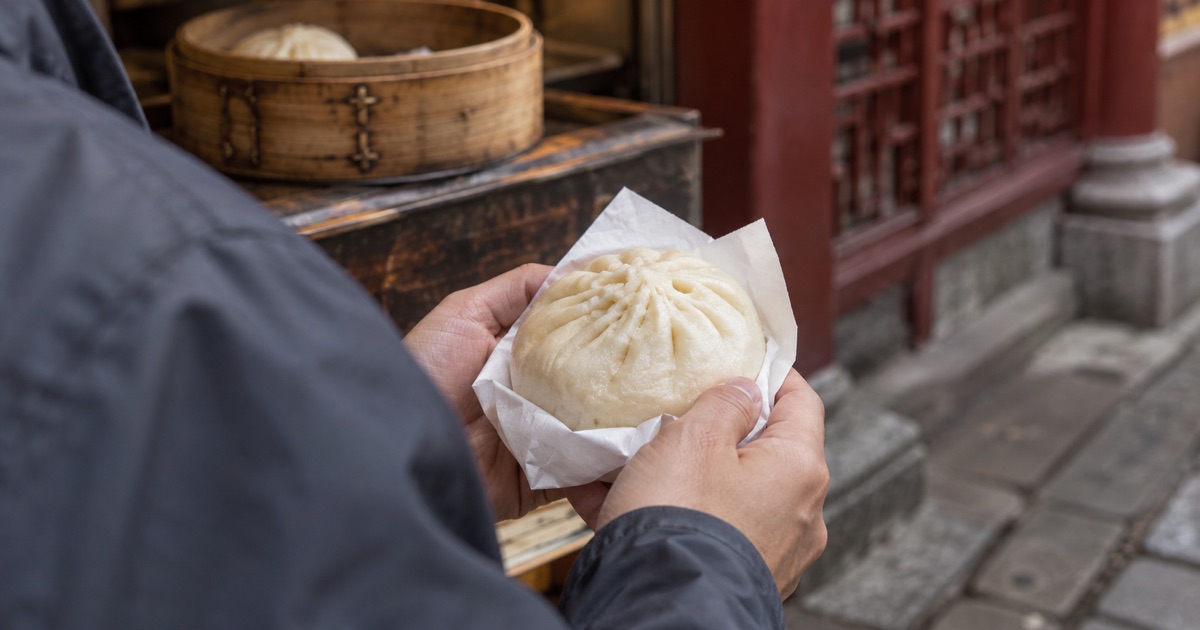
- Roast pork buns (チャーシューまん): steamed buns filled with seasoned roast pork, sold at walk-up counters throughout the district. These are a common one-handed snack while walking.
- Chinese-style noodle and rice dishes: many sit-down restaurants serve set meals combining noodles, rice, and stir-fried dishes, generally more substantial than the street snacks.
How to approach it: Chinatown is best explored on foot over two to three hours, more if you plan to sit down for a full meal. Mornings and early afternoons tend to be less crowded than weekend evenings. A common mistake first-time visitors make is filling up entirely on street snacks near the entrance gates and missing the sit-down restaurants further inside, where set menus often offer better value.
Allergens to note: shumai and buns typically contain wheat, pork, and sometimes shrimp or shellfish extract in the seasoning. Travelers with shellfish or pork restrictions should check ingredient labels or ask staff directly, since recipes vary by shop.
Ie-kei Ramen (家系ラーメン)
Ie-kei ramen is a ramen style that originated in Yokohama in the 1970s and has since spread across Japan. It's built on a thick, rich broth combining pork bone (tonkotsu) and chicken stock with soy sauce, served with thick, flat noodles.
Typical toppings include a sheet of nori seaweed, spinach, sliced pork (chashu), and sometimes a soft-boiled egg. Many shops let you customize the richness of the broth, the firmness of the noodles, and the amount of oil on top when you order — common choices are written in simple terms like "normal," "rich," or "light," though exact ordering systems vary by shop.
This style is heavier than standard shoyu ramen, so it's a good choice for travelers looking for a filling lunch, especially after a morning of walking. Note that the broth and soup base generally contain wheat (noodles), soy, pork, and sometimes egg — not a light option for those avoiding rich or fatty foods.
Other Yokohama Specialties
- Nankinmachi-style street food: beyond shumai and buns, Chinatown stalls often sell skewered meats, fried dumplings (gyoza), and sweet treats like sesame balls — useful for grazing rather than a sit-down meal.
- Yokohama curry and Western-influenced dishes: because of its port history, Yokohama is sometimes credited as an early entry point for Western dishes like curry rice into Japan. Several cafes and restaurants around the city serve curry as a casual lunch option, though "authenticity" claims here are more about historical association than a single fixed recipe.
- Seafood near the waterfront: given the harbor setting, some restaurants near Minato Mirai and the bay area serve seafood-forward menus, though quality and specialty vary by shop rather than being a single defined "Yokohama seafood dish."
Who Should Prioritize What
- First-time visitors with half a day: focus on Chinatown — it's compact, walkable, and gives a concentrated food experience without needing a car or long transfers.
- Ramen fans and bigger appetites: look specifically for an Ie-kei ramen shop, since it's a distinct Yokohama-born style you won't get the same way elsewhere.
- Travelers bringing food home: vacuum-packed shumai is a practical, well-known souvenir, but check the packaging for how many days it keeps at room temperature versus needing refrigeration, since this varies by product.
Getting to Yokohama and Chinatown
Yokohama Station is roughly 25-30 minutes from central Tokyo by direct train, and Chinatown itself is typically accessed via Minato Mirai Line stations such as Motomachi-Chukagai (元町・中華街), a short walk from the district's gates. Door-to-door, many travelers staying in central Tokyo can expect a total trip of around 30-40 minutes, though this depends on your starting station and which train line you take.
If you're combining Yokohama with other Tokyo-area sightseeing in one day, consider that Chinatown alone can easily fill two to three hours, and a visit to nearby Minato Mirai waterfront can add another hour or two. Trains in and around Yokohama are covered by standard regional rail passes in the Kanto area; check current validity and coverage on the operator's official site, since pass rules and prices are periodically updated.
Common Mistakes to Avoid
- Arriving without cash: while major restaurants increasingly accept cards, many small street-food stalls in Chinatown are cash-only or have low card-payment limits.
- Skipping sit-down meals entirely: snacking only at the entrance means missing set-menu restaurants that often represent better value deeper inside the district.
- Assuming all shumai is the same: recipes and seasoning vary noticeably between shops, so it's worth trying more than one if you're curious about the differences.
- Not checking for shellfish or pork in seasoning: even vegetable-forward dishes may use oyster sauce or pork fat as a base flavoring, so always ask if you have dietary restrictions.
Planning Your Visit
For overall trip planning, transport updates, and current travel advisories, the Japan National Tourism Organization is a reliable starting point before you go. For nutritional information on specific Japanese dishes and ingredients mentioned here, consult the MEXT Food Composition Database or this site's dedicated nutrition pages, since exact nutritional values vary by recipe and restaurant.
Because opening hours, prices, and seasonal menu items can change without notice, it's worth checking official information or asking locally on the day of your visit rather than relying solely on guides written in advance.
FAQ
- Q. Is Yokohama Chinatown real Chinese food or a Japanese version of it?
- A. It's a distinct style shaped by generations of Chinese immigrant communities, so expect Cantonese-leaning flavors adapted over time rather than a single "authentic" national cuisine.
- Q. What is Ie-kei ramen and how is it different from other ramen?
- A. Ie-kei (家系) ramen originated in Yokohama and typically features a rich pork-and-chicken broth with soy sauce, thick noodles, and toppings like spinach and nori; it's heavier than a simple shoyu ramen.
- Q. Can I find vegetarian or allergy-friendly options in Yokohama Chinatown?
- A. Some vegetable and tofu-based dishes exist, but broths and sauces often contain pork, shellfish, or oyster sauce, so travelers with allergies or dietary restrictions should ask staff or check ingredient lists carefully.
Cite or share this article
Copy the link below. If you quote this article, please link to this page as the source.