Setagaya Food Guide: Tokyo Neighborhood Flavors and Dining
Key takeaways
- Setagaya food culture centers on relaxed neighborhood dining, specialized noodle shops, and classic shopping street bites.
- Most local eateries in Setagaya are cash-preferred or IC card-friendly, with casual counter or small table seating.
- Navigate local dining comfortably by learning ordering machine basics, counter etiquette, and common allergen terms.
Setagaya food culture offers travelers an intimate look at Tokyo’s neighborhood dining, characterized by independent noodle bars, artisanal bakeries, casual izakaya, and retro cafes tucked along lively shopping streets. Unlike the towering commercial dining complexes of central hubs like Shinjuku or Ginza, eating in Setagaya (世田谷) centers on relaxed, everyday Japanese meals crafted by small-scale, owner-operated kitchens.
At Japanese Food Pedia, this guide breaks down the culinary staples of Setagaya, how to order and eat them as a first-time visitor, practical transit access, and essential cultural etiquette.
The Heart of Setagaya Food Culture
Setagaya is Tokyo’s most populous residential ward, spanning charming enclaves such as Shimokitazawa (下北沢), Sangenjaya (三軒茶屋), and Futako-Tamagawa (二子玉川). Because these areas cater primarily to residents and daily commuters, the food culture prioritizes comfort, seasonal variety, and high-quality staples over tourist spectacle.
Dining here takes place largely along shotengai (商店街)—traditional Japanese pedestrian shopping streets lined with open-front delis, specialty confectioners, and narrow dining counters.
Shotengai Street Snacks and Delis
A defining element of Setagaya food is the sozai (惣菜), or prepared side-dish culture found along neighborhood shopping lanes. Independent butcher shops often double as fry counters, serving hot snacks wrapped in butcher paper.
- Menchi-katsu (メンチカツ): A breaded, deep-fried patty of minced beef and pork seasoned with minced onion, black pepper, and soy sauce. It features a crisp exterior (panko) and a juicy, savory interior.
- Korokke (コロッケ): Mashed potato croquettes, frequently studded with sweet corn or small bits of spiced ground beef, fried until golden brown.
- Yakitori (焼き鳥): Skewered chicken grilled over charcoal, brushed with a savory-sweet glaze (tare) or simply seasoned with coarse sea salt (shio).
How to eat them: When buying hot snacks from a shotengai counter, eat them in the immediate vicinity of the stall or on a nearby public bench. Walking while eating (arukikui) is generally frowned upon in Japan to avoid accidental spills and litter.
Neighborhood Ramen and Tsukemen Styles
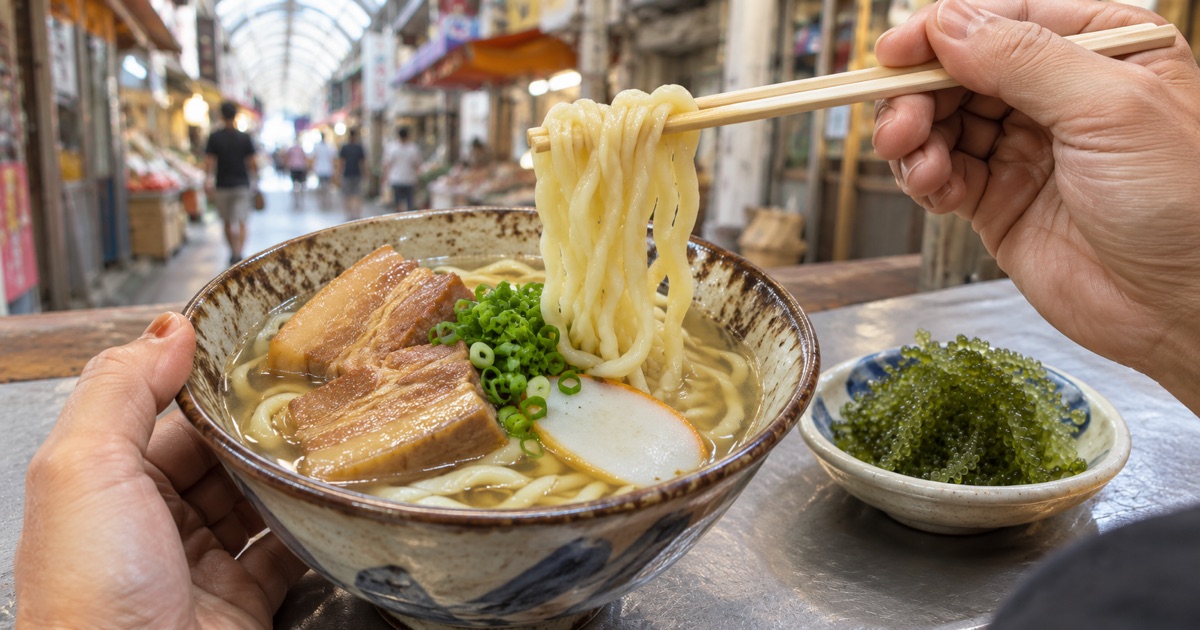
Setagaya is renowned throughout Tokyo for its noodle scene. Rather than adhering to a single regional style, the area features specialized, chef-driven broths.
- Rich Tonkotsu-Gyokai (豚骨魚介): A hybrid broth combining long-simmered pork bones with dried bonito flakes (katsuobushi) or dried sardines (niboshi). The resulting soup is thick, umami-rich, and deeply savory.
- Chintan Shoyu (清湯醤油): A crystal-clear chicken- and dashi-based broth flavored with artisanal aged soy sauces, often paired with thin, straight noodles, bamboo shoots (menma), and tender roast pork (chashu).
- Tsukemen (つけ麺): Dipping noodles served cold and thick alongside an intensely concentrated, piping-hot dipping soup.
For official nutritional references and general calorie profiles of standard noodle soups, consult the MEXT Food Composition Database.
Kissaten Desserts and Cafe Fare
Neighborhoods across Setagaya retain a high concentration of kissaten (喫茶店)—traditional Japanese-style coffee houses that emerged during the Showa era. These spaces serve nostalgic comfort foods:
- Purin (プリン): A firm, custard-style caramel pudding made from eggs, milk, and sugar, topped with bittersweet burnt caramel syrup.
- Ogura Toast (小倉トースト): Thick-sliced Japanese white bread toasted until golden, buttered, and crowned with sweet azuki red bean paste.
- Cream Soda (クリームソーダ): Bright green melon soda poured over ice, topped with a scoop of vanilla ice cream and a maraschino cherry.
How to Order and Eat in Setagaya
Navigating independent dining spots without Japanese language skills is straightforward once you know the basic systems.
Using the Shokkenki (Ticket Vending Machine)
Many noodle bars and quick-service lunch spots in Setagaya use a shokkenki (食券機) ticket machine at the front entrance.
- Insert Payment: Insert Japanese yen coins or bills first. Many modern machines also accept contactless IC transportation cards like Suica or Pasmo; tap your card on the IC reader.
- Select Your Dish: Buttons display dish names, prices, and occasionally small photos. Large buttons across the top row usually represent the shop’s signature dishes.
- Add Toppings: Secondary buttons let you add seasoned soft-boiled eggs (ajitama), extra pork (chashu), or seaweed sheets (nori).
- Collect Ticket and Change: Press the change lever to retrieve remaining coins and take your printed paper ticket.
- Hand Ticket to the Chef: Sit down at an open counter seat and place your ticket on the raised ledge for the kitchen staff to collect.
Counter Dining Etiquette
Most neighborhood eateries have fewer than a dozen seats arranged around an open kitchen.
- Water is Self-Service: Look for small plastic cups and a water pitcher along the upper counter ledge.
- Keep Belongings Compact: Space is tight; store backpacks in the small baskets under your seat or on wall hooks behind you.
- Return Your Bowl: When finished, lift your bowl, cup, and chopsticks onto the raised counter ledge and wipe your table space with the damp cloth (fukin) provided.
We are working to carry Japanese craft and everyday culture beyond Japan, by building Japan Towns with local partners.
Read the Japan Town plan →Getting to Setagaya’s Dining Quarters
Setagaya is easily reachable from central Tokyo via several private railway lines. Travel times generally run between roughly 5 and 20 minutes depending on your departure point.
- To Shimokitazawa (Vintage shopping, casual curry, and ramen):
- Take the Odakyu Line (小田急線) from Shinjuku Station (roughly 7–10 minutes).
- Alternatively, take the Keio Inokashira Line (京王井の頭線) from Shibuya Station (roughly 5 minutes on the express train).
- To Sangenjaya (Back-alley izakaya and classic kissaten):
- Take the Tokyu Den-en-toshi Line (東急田園都市線) from Shibuya Station (roughly 5 minutes).
- To Todoroki and Gotokuji (Temples, scenic ravines, and traditional sweets):
- Gotokuji Station is roughly 15 minutes from Shinjuku on the Odakyu Line. Todoroki Station sits along the Tokyu Oimachi Line (東急大井町線).
Check routes and transit passes via the official Japan National Tourism Organization planning resources before traveling.
What to Bring and Common Mistakes
What to Prepare
- Cash (Yen): While train stations and chain convenience stores take credit cards, small shotengai vendors, vintage cafes, and ticket machines often operate strictly on cash or IC cards. Carry ¥1,000 bills and ¥100/¥500 coins.
- Translation App with Camera: If a restaurant lacks an English menu, camera-based visual translation tools help decipher chalkboard specials.
- Pocket Towel or Tissues: Small neighborhood restrooms do not always supply paper hand towels or air dryers.
Mistakes to Avoid
- Assuming Setagaya Closes Late Everywhere: While nightlife districts like Shimokitazawa stay vibrant late, residential bakeries and noodle shops often close early once their daily broth or dough runs out—sometimes by roughly 2:00 PM or 3:00 PM. Check business websites or social pages ahead of time.
- Missing Allergens in Broths: Japanese soup bases rely heavily on seafood (dashi made with bonito or sardine), wheat (shoyu soy sauce), and pork bones. If you have dietary restrictions, prepare a written card in Japanese to show staff before ordering.
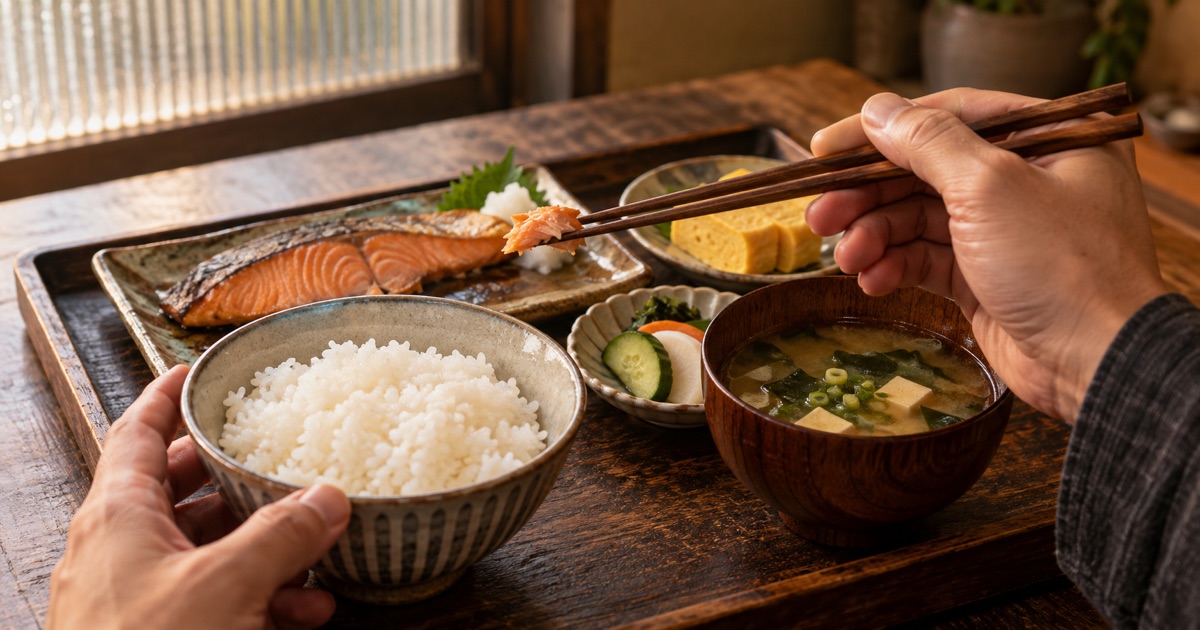
- Leaving Chopsticks Upright: Never stick chopsticks vertically into a bowl of rice (tsukitate-bashi), as this mimics funeral rites. Place them on the chopstick rest (hashioki) or flat across the rim of your bowl.
===
FAQ
- Q. What makes Setagaya food different from dining in central Tokyo hubs?
- A. Setagaya dining focuses on residential shopping streets (shotengai), independent noodle bars, and bakeries rather than mega food halls.
- Q. Do restaurants in Setagaya have English menus?
- A. Many independent neighborhood spots only have Japanese menus or ticket vending machines, though picture menus are common.
- Q. Are credit cards widely accepted in Setagaya food shops?
- A. Casual noodle shops, bakeries, and retro cafes often prefer cash or transit IC cards (Suica or Pasmo), so carry yen.
Cite or share this article
Copy the link below. If you quote this article, please link to this page as the source.